



United States Brent Oil Fund, LP (BNO)
 ARCA ARCA Primary

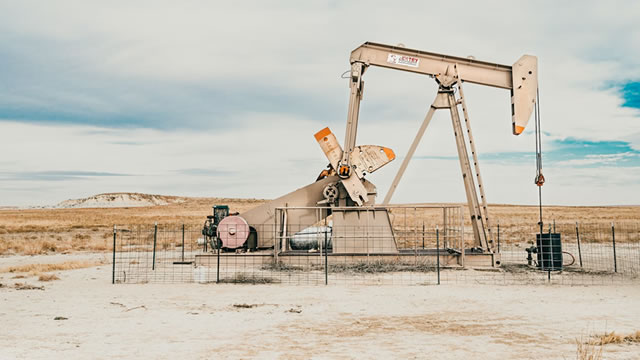
Oil prices slip on rising U.S. crude inventories
Oil prices edged down on Wednesday after industry data showed U.S. crude inventories had swelled more than expected, while the market kept watch on diplomatic efforts in the Middle East as Israel continued attacks on Gaza and Lebanon.

Trump is bullish for oil prices in the short-term — and bearish in the long-term, analyst says
Viktor Katona, head of oil analysis at Kpler, discusses oil prices as energy market participants continue to closely monitor the potential for Middle East supply disruptions.
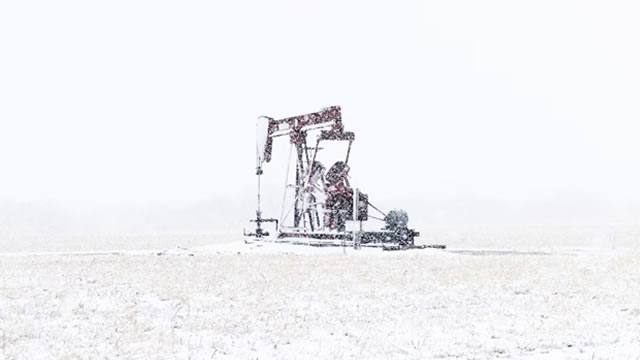
Oil Falls on Hopes of Mideast Geopolitical Tensions Cooling
Oil fell in the early Asian session amid prospects of cooling geopolitical tensions in the Middle East.

Goldman sees oil prices holding around $76/bbl in 2025 on ample supply
Goldman Sachs expects oil prices to average $76 a barrel in 2025 based on a moderate crude surplus and spare capacity among major producers, with concerns easing over a potential disruption in Iranian supply, it said in a note on Tuesday.

Crude Oil Price Forecast: Rebounds from Support, Triggering a Bullish Reversal
Crude oil rebounds from support, completing a 38.2% retracement. Bulls watch for confirmation above the 50-Day MA and resistance near 74.10 for further upside momentum.
Crude Oil Price Outlook – Crude Continues to Find Buyers Near The Bottom
The crude oil market has rallied a bit in the last 24 hours, as the market looks likely to continue to hang onto the idea of staying in the same range we have been in for the last two years.

U.S. crude oil prices rise nearly 1%, extend gains to above $71 per barrel
Oil prices have bounced back somewhat after selling off steeply last week. Beijing cuts its benchmark lending rate on Monday, lending some support to the futures market.

Oil prices extend bounce from steep weekly loss as Middle East worries linger
Oil futures were on track for back-to-back gains, attempting to claw back steep losses suffered last week as fears of a broader Middle Eastern conflict that could threaten crude flows from the region faded.

Oil News: Futures Approach Critical $70.68 Resistance – Will Geopolitical Risks Boost Prices?
Crude oil prices rise on Mideast conflict risks, but China's soft demand and a strong U.S. dollar could limit gains. Breakout past $70.68 signals bullish potential.
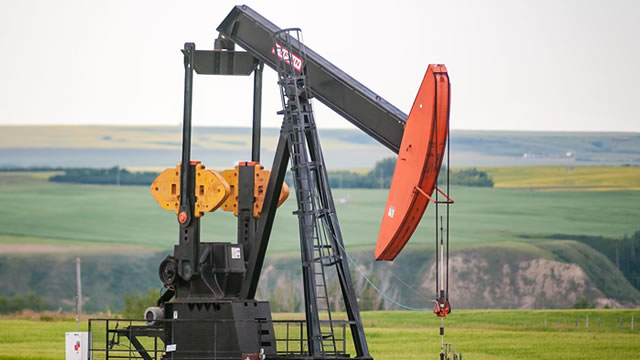
Natural Gas and Oil Forecast: Will Slowing China Growth Push Prices Lower?
Geopolitical risks and China's economic slowdown are driving oil prices lower, while technical indicators suggest potential bearish momentum for natural gas.

Oil and Natural Gas Technical Analysis Following PBoC's Rate Cuts
Oil and natural gas prices initiated a rebound after the PBoC's Loan Prime Rate cuts, but the overall trend remains bearish.

Oil prices trim Middle East war risk-gains, China demand remains a worry
Oil prices fell on Tuesday, paring the previous day's nearly 2% rise as the top U.S. diplomat renewed efforts to push for a ceasefire in the Middle East, and as slow demand in China, the world's top oil importer, continued to weigh on the market.




