



United States Brent Oil Fund, LP (BNO)
 ARCA ARCA Primary

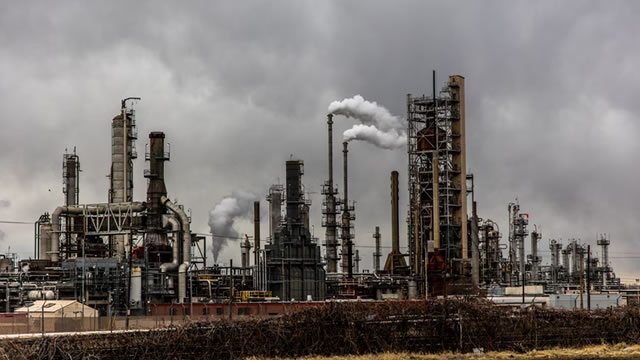
Crude oil prices fall more than 2% after China finance minister disappoints on stimulus
Traders have been banking on more robust stimulus in China to boost the world's second-largest economy. The market, meanwhile, continues to monitor the Middle East in anticipation of a retaliatory strike by Israel against Iran.

China's Vague Stimulus Announcement Sends Oil Futures Lower By Over 2%
Lack of clarity on China's economic stimulus plans sent oil futures tumbling on Monday, as traders adopted a wait and see approach to the impact of rising tensions in the Middle East.
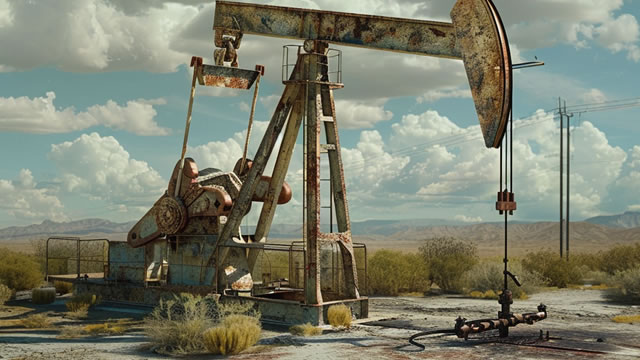
OPEC Further Trims Oil-Demand Outlook
The Organization of the Petroleum Exporting Countries further trimmed its forecast for oil-demand growth, as it prepares to bring some barrels back into the market despite weaker global prices.
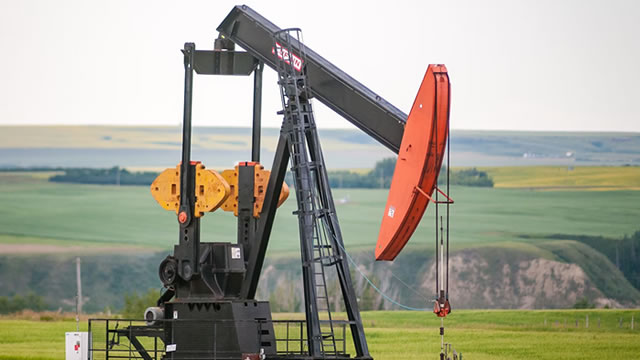
OPEC cuts 2024, 2025 global oil demand growth view again
OPEC on Monday cut its forecast for global oil demand growth in 2024 reflecting data received so far this year and also lowered its projection for next year, marking the producer group's third consecutive downward revision.

OPEC says Russian oil output edged further down in September
Russia cut crude oil output in September by 28,000 barrels per day (bpd) to about 9 million bpd, the Organization of the Petroleum Exporting Countries (OPEC) said on Monday, citing data from secondary sources such as consultancies.

Oil prices slump after China offers little detail on stimulus plans
Oil futures slumped after a weekend announcement by Chinese authorities failed to provide details on a stimulus plan sufficient to reassure investors nervous about crude demand.
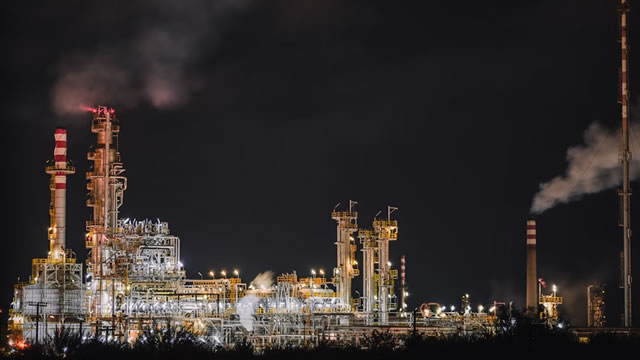
Oil News: Crude Futures Fall as China Deflation Fears Spark Bearish Sentiment
Crude oil futures plunge as China's deflation worries and uncertain stimulus plans spark bearish sentiment, erasing nearly all last week's gains.
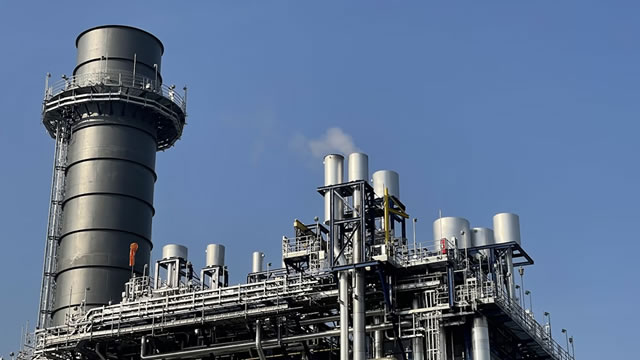
An Israeli attack on Iran's oil bases would have a 'dramatic effect' on oil prices, strategist says
John Driscoll, chief strategist at JTD Energy Services, discusses the outlook for the oil market.

Natural Gas and Oil Forecast: Geopolitical Tensions and China's Deflation Shape Market Sentiment
Geopolitical tensions and China's deflation concerns weigh on natural gas and oil prices, as markets await key support and resistance level breaks.

Oil Slips on Concerns Over Potential Surplus
Oil slipped in early Asian trade. The market faces risk of a major correction in coming months, TD Securities said.
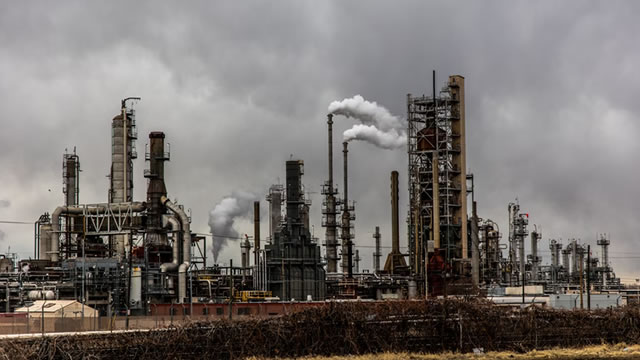
Oil prices fall by more than a $1 on Chinese economic data
Oil prices fell by a dollar in early Asian trading on Monday after disappointing Chinese inflation data over the weekend stoked fears about demand.

Oil News: Can Oil Demand Rebound as Supply Risks Mount in the Middle East?
As Israel-Iran conflict looms, will crude prices surge further? See how global tensions and market sentiment could influence oil futures next week.




