



United States Brent Oil Fund, LP (BNO)
 ARCA ARCA Primary


Oil prices steady after sliding on potential Israel-Hezbollah ceasefire
Oil prices steadied in Asian trading on Wednesday, as traders weighed uncertainty surrounding developments in the Middle East conflict against continued bearish fundamentals.
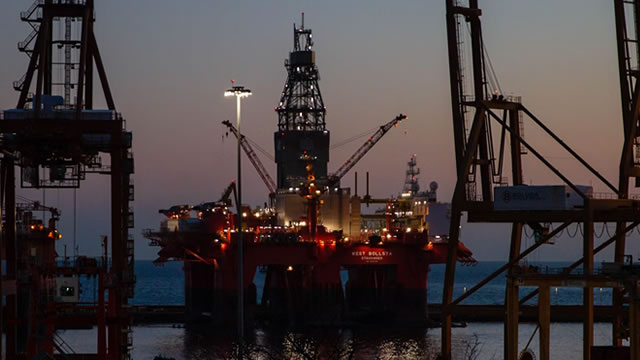
Oil Edges Higher as Markets Weigh Supply and Demand Worries
Oil edged higher in early Asian trade, as markets weigh supply and demand side concerns.

Tech, Nvidia lead stocks higher as oil prices retreat, China rally stalls
To get the latest market news check out finance.yahoo.com US stocks closed higher across the board on Tuesday as investors welcomed a rebound in tech and a pullback in surging oil prices, putting the focus back on interest rates and the state of the US economy. The Nasdaq Composite (^IXIC) rose around 1.5% as tech megacaps recouped the previous session's losses.

Oil Prices Drop Over 4.6% as Middle East Tensions Ease
International crude oil futures prices fell more than 4.6% as geopolitical tensions in the Middle East showed no signs of actual oil supply disruptions. West Texas Intermediate (WTI, Financial) crude for November delivery dropped $3.57, or 4.63%, to settle at $73.57 per barrel.

Despite Recent Rally, Oil Markets Stay Bearish
Strong economic data from China is required for sustainable upside in the oil markets.
Crude Oil Falls Over 4%; US Trade Deficit Narrows In August
U.S. stocks traded higher midway through trading, with the Nasdaq Composite gaining around 200 points on Tuesday.
The U.S. Has Been Through Oil Shocks Before. An Iran Conflict Would Be Different.
The U.S. economy is much less vulnerable to an oil shock than it was in the 1970s, Desmond Lachman writes in a guest commentary.

Crude Oil Price Forecast – Crude Continues to See Support
The crude oil markets that I follow both look supported at this moment, as the markets are focused on multiple things at once, but they also look a little bit overdone at the moment.

Oil May Spike $10-$15 if Israel Hits Iran Fields: Pierre Andurand
Pierre Andurand, chief investment officer at Andurand Capital Management, says, “the short-term risk is for higher prices because inventories are low,” as he sees a potential surge in oil if Israel strikes Iranian export facilities. -------- More on Bloomberg Television and Markets Like this video?

Crude oil prices fall about 2% as rally on Middle East war risk takes a pause
The oil rally is taking a pause as Israel has not retaliated against Iran yet. Oil prices have surged about 13% through Monday's close since Iran fired 180 ballistic missiles at Israel last week.

Israel-Iran: How Middle East Tensions Could Impact Oil Prices, Markets
Daan Struyven, oil research head at Goldman Sachs, discusses current geopolitical tensions in the Middle East. "In terms of the significance for crude oil prices, I think that potential damage to the large exports terminals would be more significant than the potential impact on crude field production," he tells Bloomberg Television.
Of course BP scrapped their ‘silly' oil cuts: Steve Milloy
Junkscience.com editor and publisher Steve Milloy discusses how BP abandoned their plans to cut oil and gas output by 2030 amid investor pressure on ‘The Bottom Line.'




