



United States Brent Oil Fund, LP (BNO)
 ARCA ARCA Primary

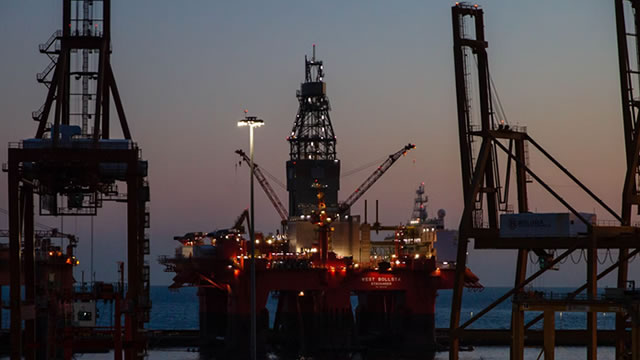
Oil prices set for big weekly gain as traders await Israel response to Iran missile attack
Oil futures added to gains Friday, on track for a sharp weekly rise as traders awaited Israel's response to a missile attack by Iran earlier this week.

Oil News: Goldman Sachs Warns of $20 Oil Spike if Iran's Production Is Hit
Goldman Sachs warns of a potential $20 oil price spike if Iran's production is hit, as tensions in the Middle East escalate, driving crude futures higher.

Risk of All-Out War in Middle East Drives Oil Price Higher
The price of oil has soared this week as the escalation of hostilities raised the possibility Middle East oil supplies could be disrupted. Israel and Iran, as well as Tehran's proxies in Lebanon, Gaza and Yemen have been facing off for the past year, stoking fears of an all-out conflict that could drag in other countries.

Israel Launches New Missile Strikes on Beirut. Oil Prices Are Rising.
President Joe Biden on Thursday told reporters he was discussing possible Israeli strikes on Iranian refineries, further unsettling the market.
Satellite imagery show Iranian oil tankers at country's major terminal disappearing amid fears of Israeli counterattack
"The National Iranian Tanker Company (NITC) appears to be fearing an imminent attack by Israel," one tanker tracking firm wrote. Fifteen miles off Iran's northwestern coast, the Kharg Island terminal handles more than 90% of the country's crude exports.
Oil Prices Stabilize After Surge Amid Israel-Iran Tensions
During the early European trading session, oil prices stabilized after a surge of 5% due to rising concerns about potential Israeli retaliation against Iranian oil facilities. Brent crude and WTI crude saw modest increases of 0.8%, reaching $78.22 and $74.30 per barrel, respectively.
Why oil prices haven't skyrocketed on Middle East supply fears — yet
The oil price rally, which puts crude futures on track for gains of around 8% week-to-date, has surprised many market observers in that it appears to be somewhat subdued given what's at stake. For some analysts, the reason crude prices have yet to move even higher is because the oil market is short.

Crude up as Iranian oil targets discussed
Crude prices spike once again as U.S. President Joe Biden appears to say that Israeli retaliatory strikes on Iranian oil facilities may be under discussion. Wall Street looks set to snap a three-week winning streak with investors eyeing today's key non-farm payroll data.
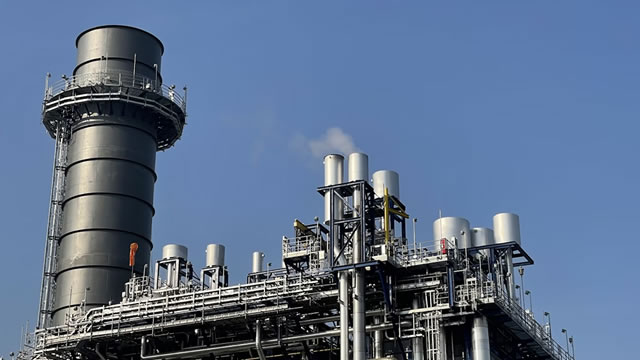
Natural Gas and Oil Forecast: Geopolitical Risks Drive Volatility in Prices—Is More Upside Ahead?
Oil prices up 8% for the week amid Middle East tensions and supply uncertainties, keeping traders on edge.
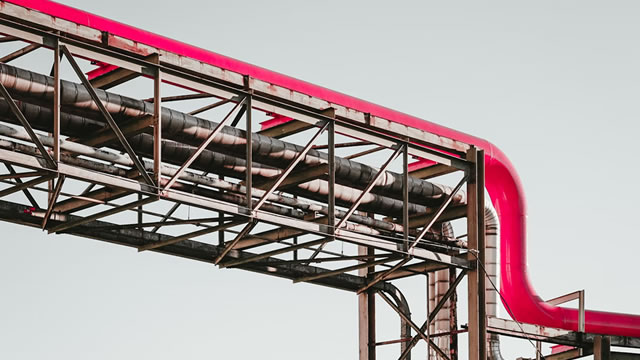
Goldman Sachs says crude could spike by $20 on Iran oil shock
Oil prices could shoot up $20 per barrel if Iranian production sees a hit resulting from Israeli retaliation, said Goldman Sachs. Iran, which is a member of OPEC, is a key player in the global oil market.
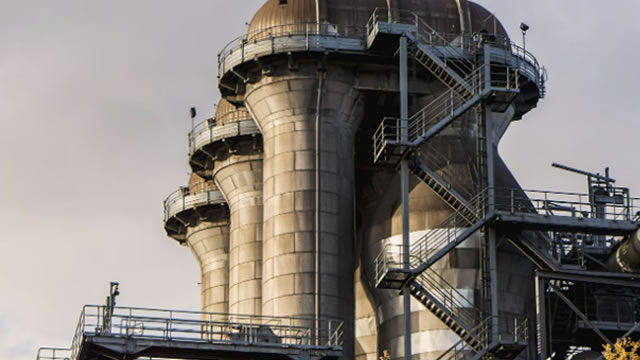
Oil Prices Could Surge to $200 Amid Middle East Tensions
SEB's chief commodity analyst, Bjarne Schieldrop, indicated that if the Middle East tensions escalate, causing a significant drop in Iranian oil output, oil prices could soar past $200 per barrel. Iran currently exports over 2 million barrels of oil daily.
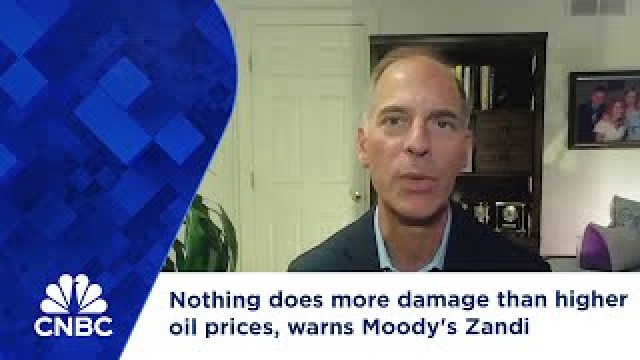
Nothing does more damage than higher oil prices, warns Moody's Zandi
Mark Zandi, Chief Economist at Moody's Analytics, says a surge in oil prices driven by tensions in the Middle East could pose a serious threat to the US & global economy, presenting a real conundrum to the Federal Reserve.




