





Israel retaliation may target Iran oil infrastructure, boosting prices further, Wall Street analysts say
The oil market faces a rising risk of supply disruptions as war spreads in the Middle East, geopolitical and crude market analysts say. Israel could hit Iran's oil facilities in response for the Islamic Republic's ballistic missile attack.

OPEC+ Maintains Oil Production Plans Despite Market Concerns
Despite signs that the oil market may face a surplus, OPEC+ has decided not to alter its plan to gradually restore oil production by the end of the year. Following an online meeting of the supervisory committee of its 23 members, the alliance announced no changes to its existing strategy.

Brent Crude Oil Prices Rise Amid Geopolitical Tensions
By RoboForex Analytical Department
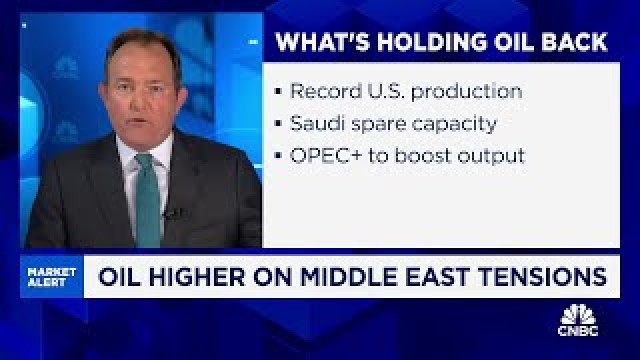
Oil slightly higher on Middle East tensions
CNBC's Brian Sullivan joins 'Squawk on the Street' to discuss the impact of Middle East conflict on oil prices.

U.S. Adds to Crude Oil Stockpiles
Gasoline inventories also rose, while distillate fuel oil stocks fell

Oil prices climb as Middle East tensions escalate
Israel faced a missile attack from Iran on Tuesday, causing US stock markets (^DJI, ^IXIC, ^GSPC) to dip into the red. Raymond James Washington Policy Analyst and Managing Director Ed Mills joins Morning Brief to discuss this development and its implications.

Crude Oil Price Forecast – Crude Oil Continues to Rally
In the midst of a lot of geopolitical issues in the Middle East, we continue to see the crude oil market rally. That being said, this is also a situation where we will continue to see concerns about global growth perhaps dampening demand.

Oil Prices Rise Again As Concerns About Middle East Conflict Escalate
Crude oil prices rose again Wednesday as traders priced in heightened concerns about violence in the Middle East.
Crude oil jumps nearly 3% as Israel vows 'painful' response to Iran missile attack
Israel's ambassador to the United Nations, Danny Danon, vowed late Tuesday that Israel will exact a "painful" response against Iran. Traders fear Israel's response could target Iranian oil facilities.
Oil prices rise over 3% as Israel weighs response to Iran missile attack
Oil futures extended gains Wednesday, rising more than 3% while investors awaited Israel's response to a massive missile barrage by Iran a day earlier, stoking fears of a wider conflict that could impede flows of crude from the Middle East.
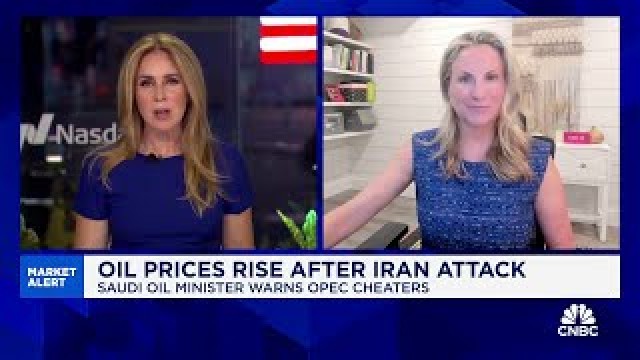
Excess OPEC capacity keeping oil prices from spiking after Iran attack, says CIBC's Rebecca Babin
Rebecca Babin, CIBC Private Wealth senior energy trader, joins 'Squawk Box' to discuss oil price trends, impact of Iran's ballistic missile attack on Israel, Saudi oil minister's warning to fellow OPEC members, and more.

Oil News: Tensions in Middle East Push Crude Futures Higher – Key Levels to Watch
Middle East conflict risks disrupt oil production, with traders eyeing crude futures above $72.21. Analysts predict further price spikes amid geopolitical tensions.




