





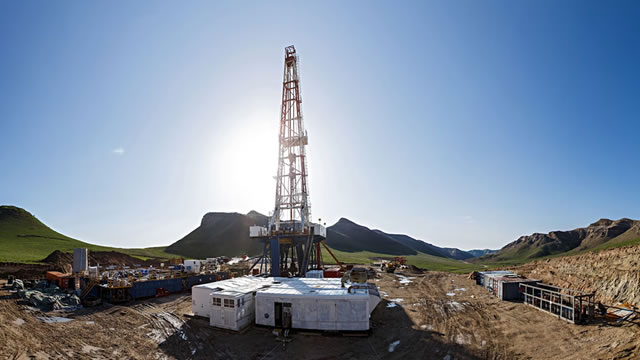
Treasury yields reverse safe-haven falls as oil prices rise, U.S. dock strike continues
Treasury yields rose early Wednesday amid concerns rising energy prices and a prolonged U.S. dock strike may stoke inflation.

Saudi minister warns of $50 oil if OPEC members don't adhere to production cuts: report
Saudi Arabia's oil minister reportedly warned fellow producers that oil could drop to $50 if they don't comply with agreed production cuts.

Saudi Minister Warns of $50 Oil as OPEC+ Members Flout Production Curbs
The kingdom called out members for overproducing, in what was seen as a veiled threat of a price war.
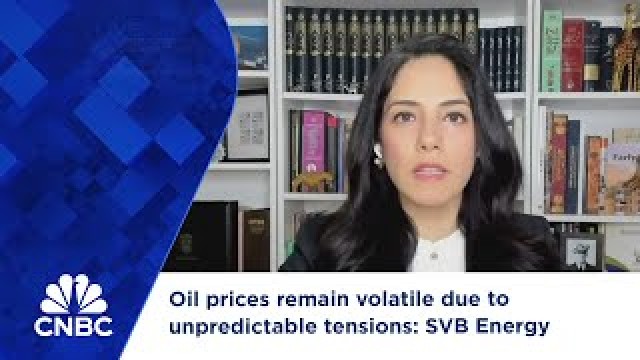
Oil prices remain volatile due to unpredictable tensions: SVB Energy International
Sara Vakhshouri, founder and president of the SVB Energy International, says oil prices have been resilient due to fears over weak demand.
OPEC+ doing 'noble' job of balancing oil market, says UAE
United Arab Emirates Energy Minister Suhail al-Mazrouei said on Wednesday OPEC+ was doing a noble job of balancing the oil market even if does not produce the majority of oil in the world.

Natural Gas and Oil Forecast: Will Iran Tensions Push Oil Prices Back to Triple Digits?
Geopolitical risks escalate as Iran tensions put up to 4% of global oil supply at risk, pushing crude prices toward $100 per barrel.
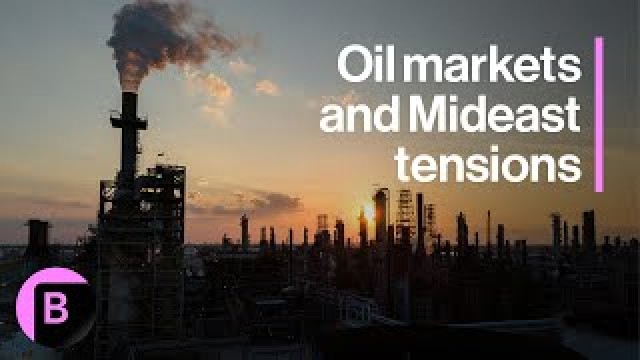
How Oil Markets Are Responding to Tensions in the Middle East
Oil surged for a second day following heightened tensions in the Middle East as Iran fired about 200 ballistic missiles at Israel, to which Prime Minister Benjamin Netanyahu vowed retaliation. Bloomberg's Stephen Stapczynski reports.

Oil watchers now see a real threat of supply disruptions after latest Iran-Israel escalation
Iranian oil infrastructure may now be a target for Israel after the latest the missile attack, analysts warned. On Tuesday, Iran launched a ballistic missile strike at Israel in retaliation for its recent killing of Hezbollah leader Hassan Nasrallah and an Iranian commander in Lebanon.
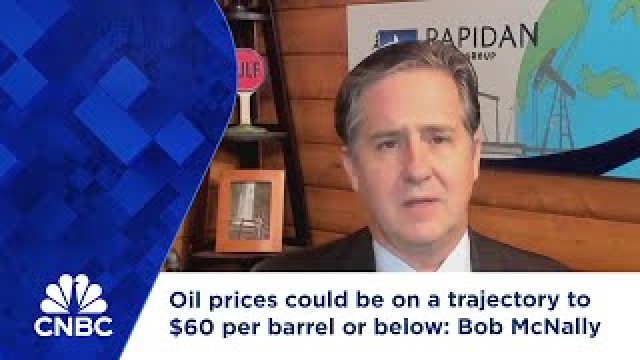
Oil prices could be on a trajectory to $60 per barrel or below: Bob McNally
Bob McNally of Rapidan Energy Group says that Iraq and Kazakhstan not participating in collective supply management measures could lead to a collapse in oil prices if OPEC+ decides to "sweat" the producers.

Oil Gains on Rising Middle East Tensions
Oil gained in early Asian trade on rising Mideast tensions. The direct involvement of Iran, an OPEC member, increases the likelihood of oil supply disruptions, ANZ Research analysts said.

Oil prices rise more than $1 on escalating tensions in the Middle East
U.S. West Texas Intermediate (WTI) crude futures rose by $1.09, or 1.56%, to $70.92 per barrel at 2254 GMT on fears of oil supply disruptions in the Middle East after Iran fired ballistic missiles at Israel.

Stocks Fall, Oil Prices Rise After Iran Launches Missiles at Israel
The Nasdaq declined 1.5%, leading major indexes lower.




