





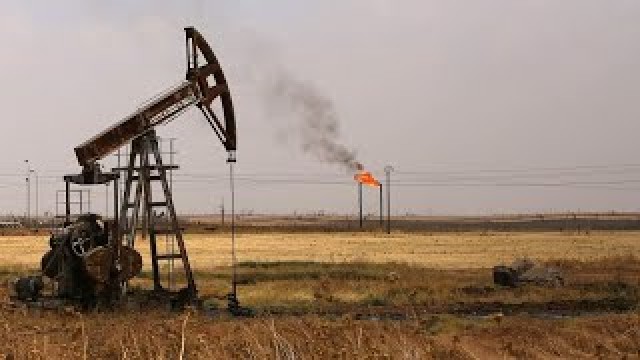
Oil Market Underestimating War Risk Premium, Schork Says
"We're looking at a market that has been supremely underestimating the potential for all-out war in the Middle East," Stephen Schork, principal and editor at The Schork Group, says on "Bloomberg The Close." Sign up for the Energy Daily newsletter, your guide to the energy and commodities markets that power the global economy, from journalists stationed around the world: Click Here -------- More on Bloomberg Television and Markets Like this video?

Should You Buy Oil ETFs as OPEC Delays Output Hike?
The OPEC+ alliance is once again intensifying efforts to ensure member compliance with its agreed oil production cuts.
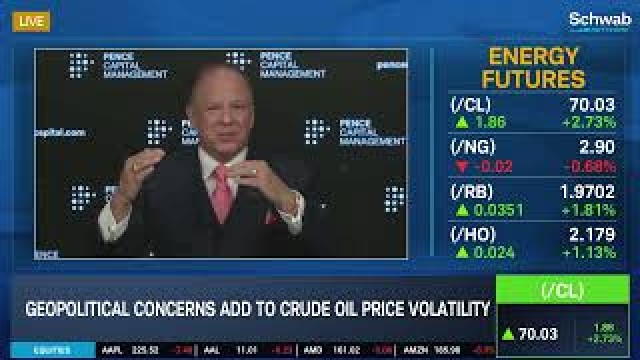
Investors Should "Take a Breath" Over Oil Prices
Hurricane Helene and geopolitical tensions in the Middle East caused Crude Oil (/CL) prices to fluctuate, and market volatility may lead to another spike. Both Patrick DeHaan and Dryden Pence urge investors "not to panic.
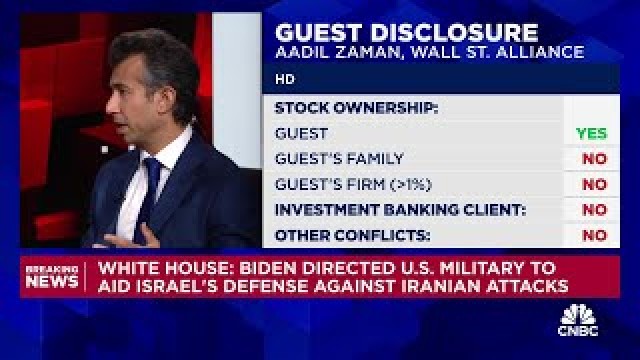
Having oil in your portfolio as a hedge makes sense now, says Wall Street Alliance's Aadil Zaman
Aadil Zaman, The Wall Street Alliance Group partner, joins 'Power Lunch' to discuss positioning in the market, the geopolitical tension and more.

What Iran's missile attack on Israel means for oil prices
Iran's attack on Israel is “justification for concern” in the oil markets, but some analysts aren't convinced that the move will lead to any significant, long-lasting disruptions to global crude supplies.

Big oil's big payouts under strain as energy prices fall
Major energy companies are set to borrow billions to maintain shareholder payouts or cut the rate of share repurchases in the face of a drop in oil prices after more than two years of bumper profits, analysts said.

Crude Oil Price Forecast – Crude Oil Continues to See Massive Volatility
The crude oil markets continue to see a lot of noisy behavior, as the Tuesday session is a mess, but ultimately, it is a microcosm of what is going on in the world. The oil markets continue to see a lot of support underneath the current area, but a lot

U.S. crude oil drifts lower, trades below $68 per barrel despite war in Lebanon
Israel has dispatched ground forces into southern Lebanon, in a major escalation of the war in the Middle East. But traders remain focused on weak demand in China and the prospect of OPEC+ producing more oil starting in December.

Exclusive: Brent oil traders use little known rule to reroute US cargoes
Big energy merchants trading oil cargoes that form the basis of the Brent benchmark have used an obscure clause to reroute U.S. shipments from Europe, in a practice that raises doubts over whether reforms to the crude price marker have succeeded.
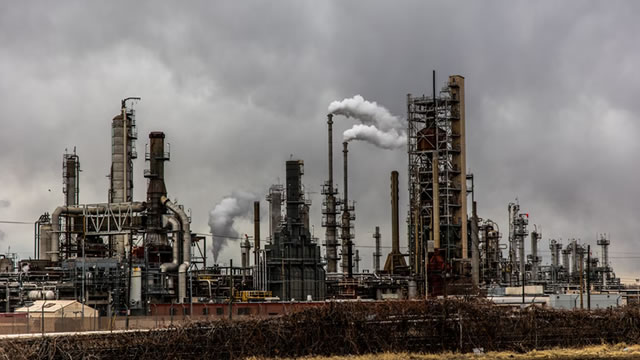
Oil prices drop, with supply concerns outweighing worries over Middle East
Oil futures kicked off October and the fourth quarter on a down note, feeling pressure from expectations for increased supply as traders continued to look past an escalation of tensions in the Middle East.
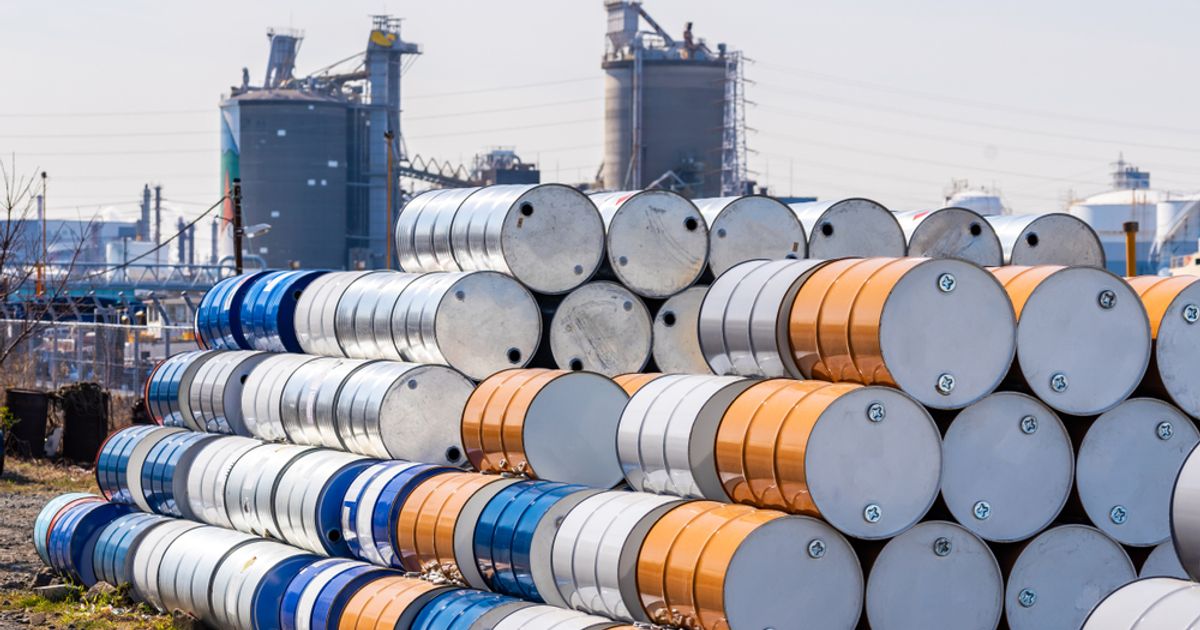
Oil prices fall despite Israel launching ground offensive in Lebanon
Oil prices are falling further despite reports of intense fighting in southern Lebanon, following the launch of a ground offensive by Israel. Brent crude front-month futures prices are down 2.2% to $70.10 per barrel, while the US gauge, West Texas Intermediate, is down 2.4% at $66.53.

Oil News: Crude Prices Plummet on U.S. Dollar Surge and OPEC Production Boost
U.S. Dollar surge and OPEC+ production increase weigh on oil prices. Charts predict crude may test $64.04 as demand concerns persist.




