






Oil News: China Stimulus Uncertainty Fails to Lift Outlook as OPEC Supply Grows
Bearish oil outlook persists as supply rises from OPEC+ and Libya. China's economic stimulus offers little boost to struggling global crude demand.
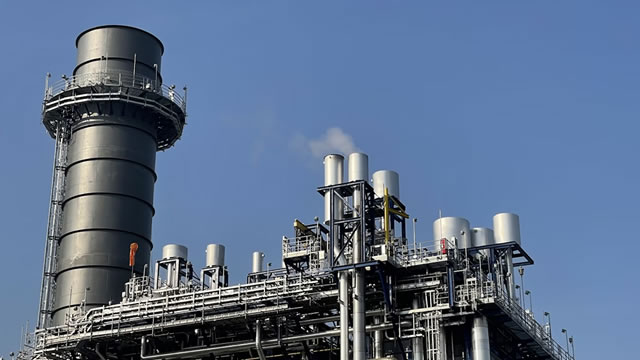
US Gulf Coast oil prices to take center stage as exports dominate
Rising U.S. crude oil exports are boosting the prominence of Gulf Coast price benchmarks and buoying trading volumes on Houston contracts, eroding the significance of the Cushing, Oklahoma, storage hub.

Oil Prices: Crude Set for Deep Weekly Loss on Prospects for Saudi Arabia, Libya Supply
Macquarie Head of Commodities Strategy Marcus Garvey discusses the outlook for oil which is on course for a substantial weekly decline on prospects of more supply from OPEC members Saudi Arabia and Libya. He speaks on Bloomberg Television.

Analyst discusses Saudi Arabia's $100-per-barrel oil price target
Carole Nakhle, founder and director of Crystol Energy, says the oil price target may be more of an "indirect message" from Saudi Arabia, to those who undercomply with their commitments within the OPEC+ alliance.

Natural Gas and Oil Forecast: Oil Prices Weaken as OPEC+ Cuts Ease; Eyes on $2.72 Gas Pivot
Oil prices fall as OPEC+ production increases, while natural gas tests key support at $2.72. Can markets regain momentum amid global supply shifts?

Oil prices fall as expectations of higher supplies hammer market sentiment
Oil prices fell for a third day on Friday, on course to end the week lower, as investors focused on expectations of higher supplies from Libya and the broader OPEC+ group of oil exporters.
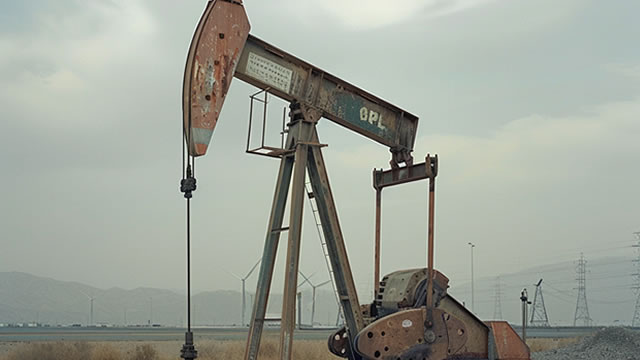
Crude Oil Price Forecast: Bearish Reversal, Downside Risk Intensifies
Crude oil's bearish reversal suggests deeper downside risks, with potential targets near $63.67 and $60.43, following the breakdown of a large symmetrical triangle pattern.
Crude Oil Price Forecast – Crude Oil Pulls Back on Thursday
The crude oil market continues to see a lot of noisy behavior, as traders are trying to sort out the idea of demand for petroleum, as well as all of the possible issues with geopolitics.

OPEC+ set to go ahead with Dec oil output hike, sources say
OPEC+ is set to go ahead with a December oil output increase as its impact will be small should a plan for some members to make larger cuts to compensate for overproduction be delivered in September and later months, two OPEC+ sources said on Thursday.

U.S. crude oil falls nearly 3%, trades below $68 on report Saudi committed to production increase
Saudi is prepared to ditch its unofficial oil price target of $100 per barrel, people familiar with the kingdom's thinking told The Financial Times

Oil prices keep dropping: Saudi Arabia shifts away from $100 target as it aims to reclaim market dominance
Oil prices are back in the spotlight, perhaps for not the best reasons. Saudi Arabia, the world's largest crude oil exporter, is set to increase production in December, abandoning its previously pursued $100 per barrel price target.

Oil News: Crude Futures Plunge as Saudi Arabia Plans Production Increase
Oil futures drop as Saudi Arabia considers increasing output, driving crude prices lower despite OPEC+ cuts and shrinking U.S. inventories.




