






Why oil investors fear the next toll fight could be the Strait of Malacca
The prospect of fees to transit the Strait of Hormuz has sparked alarm, not least by investors who fear it could be replicated in other maritime corridors. Janiv Shah, vice president of commodity markets at Rystad Energy, told CNBC that some investors were starting to get "a little bit jittery" about the possibility of tolls in the Strait of Malacca.

Oil prices gain as focus shifts to supply recovery and demand
Oil prices edged higher on Tuesday, but gains were limited as traders looked beyond easing geopolitical tensions in the Middle East and turned their attention to supply increases and demand prospects.
U.S.-Iran Peace Deal Sparks Supply Surge: ETFs to Gain
A U.S.-Iran peace deal is flooding markets with crude, sending oil prices lower and boosting the case for inverse energy ETFs.
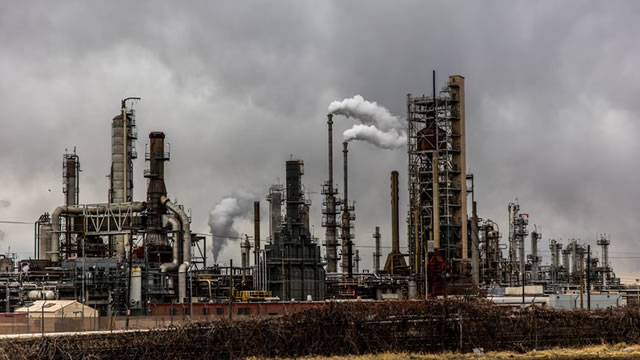
Oil News: Traders Eye 52-Week Moving Average for Potential Reversal
WTI and Brent crude oil test the 52-week moving average as OPEC raises production, Hormuz risks fade, and traders await EIA inventory data.

Ukraine's military strikes Russian oil refineries, oil terminal in Vysotsk
Ukraine struck three Russian oil refineries and an oil terminal in the Baltic Sea port of Vysotsk, Ukraine's military and security service said on Monday, as Kyiv intensifies its attack on Russian energy infrastructure.

Oil Falls, Weighed by OPEC+ Decision to Increase Output Again
Oil fell, weighed by the OPEC+ decision to increase output again. After a virtual meeting on Sunday, the group said it would hike production by about 188,000 barrels a day in August, marking fifth consecutive monthly increase.
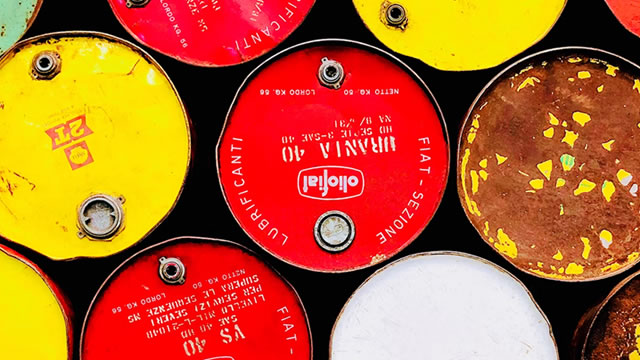
OPEC+ approves further oil output increase as Strait of Hormuz exports recover
The oil-producing group agreed during an online meeting to increase quotas by 188,000 barrels per day from August, on top of similar increases for June and July.
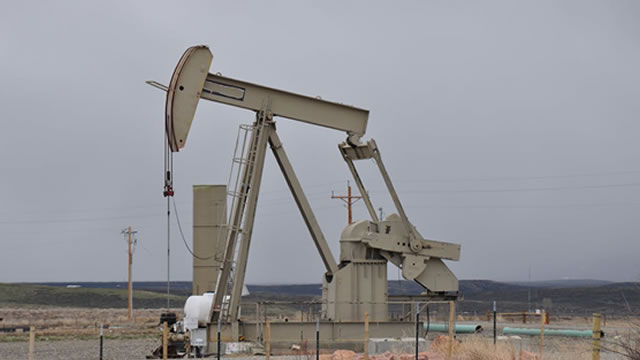
OPEC+ raises output levels again despite tumbling crude prices
Major oil producers on Sunday agreed once again to modestly increase their crude production, although, as in previous months, the hike is largely symbolic until a peace deal between the U.S. and Iran sticks and the Strait of Hormuz is fully reopened to shipping traffic.

Oil prices hover near pre-conflict levels as OPEC+ boosts output again
OPEC+ approved a new production increase for August as recovering crude supplies and easing geopolitical concerns kept oil prices near pre-conflict levels.

OPEC+ set to clear another oil output increase, sources say
OPEC+ is set to agree on Sunday another increase in output targets from August, sources with knowledge of the matter said, adding to global supply amid falling oil prices due to a gradual reopening of the Strait of Hormuz for oil exports.

Big Oil heads for biggest profits in years as Trump pushes for lower gas prices
President Trump is ramping up pressure on the industry to lower gas prices ahead of November's midterm elections.

Traders bet oil could sink to a five-month low in July
Traders on the prediction market Polymarket see a real chance that oil prices fall further this month, having already retreated to levels last seen before the Iran war. The market, which asks what price West Texas Intermediate crude will hit during July, gives a 24% probability that the US benchmark drops as low as $60 a barrel.




