



United States Brent Oil Fund, LP (BNO)
 ARCA ARCA Primary




Crude Oil Price Forecast – Oil Continues to See Attempted Recovery
The crude oil market continues to see a lot of noisy behavior, as the market continues to look for value and support.

Crude oil heads for third straight weekly loss as supply and demand worries weigh on market
Oil prices have rebounded over the past two days after a selloff, but are still down for the week. OPEC+ production increases, soft manufacturing data and disappointing private payrolls weighed on the market.

Oil prices tick higher after Saudi Arabia reiterates output boost can be reversed
Oil futures rose Friday, finding support after Saudi Arabia's energy minister reiterated that an OPEC+ plan to unwind 2.2 million barrels a day in voluntary cuts later this year can be paused or reversed.

Crude Oil News Today: Prices Rebound but Face Weekly Loss Ahead of Jobs Report
Given the anticipated rise in supply from OPEC+ and mixed signals from economic indicators, the short-term outlook for oil prices remains bearish.
Oil prices climb as OPEC+ reassures markets, ECB cuts interest rate
Oil prices rose on Friday, continuing to climb after OPEC+ members Saudi Arabia and Russia indicated readiness to pause or reverse output agreements and as an interest rate cut in Europe raised the prospect of a similar U.S. move.

Crude Oil Price Forecast: Advances Amid Downtrend, Eyes Key Levels
Crude oil rallies to 38.2% Fibonacci retracement, targeting 76.87 and 77.84 next, with potential resistance at the 20-Day MA and 200-Day MA levels.
Oil Prices Below $80 Likely Point To A Market In Oversold Territory
After a pensive and somewhat calm month of oil trading in May, market bears returned with a vengeance in June, as both the global proxy benchmark Brent and the U.S.' West Texas Intermediate hit four-month lows in the first trading week for the month.
Oil prices gain for second day as hopes for September interest rate cut rise
Oil prices closed more than 1% higher Wednesday, snapping a losing streak triggered by the OPEC+ decision to increase supply.

Crude Oil Price Forecast – Crude Oil Continues to Look For Bottom
The crude oil market has been negative for several sessions, until recently. This is a market that is currently testing a certain amount of support, as the cycle this time of year is likely to be an influence as well.

OPEC+ could tweak oil pact if needed, ministers say
OPEC+ could tweak its latest oil output agreement which calls for some output cuts to be reversed later this year if needed to support the market, top OPEC+ ministers said on Thursday after a bearish market reaction to the complex deal.
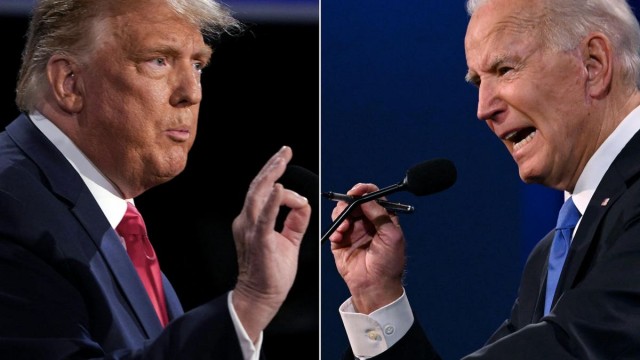
November's Election Could Bring A Return To Oil Market Volatility
With a presidential election set for November, polls indicate there is about a 50/50 likelihood of a Donald Trump victory. That outcome would signal a return to some form of the “drill, baby, drill” days of 2017-2019, during which US oil and gas producers raised overall production by 2 million barrels of oil per day over one 12-month period.
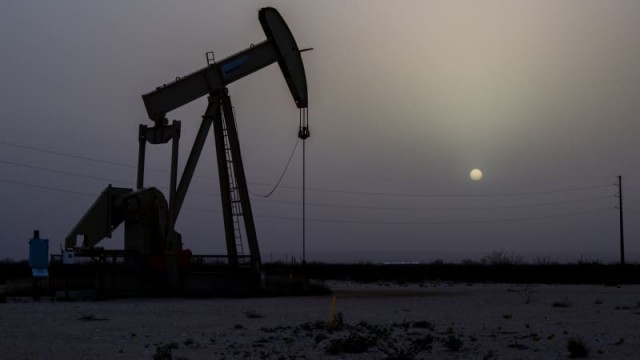
Oil prices rise as worries about economic outlook fade
Oil futures rose Thursday, finding support as worries about the outlook for U.S. economic growth faded, though concerns remain about fuel demand as the summer travel season gets under way.




