



United States Brent Oil Fund, LP (BNO)
 ARCA ARCA Primary



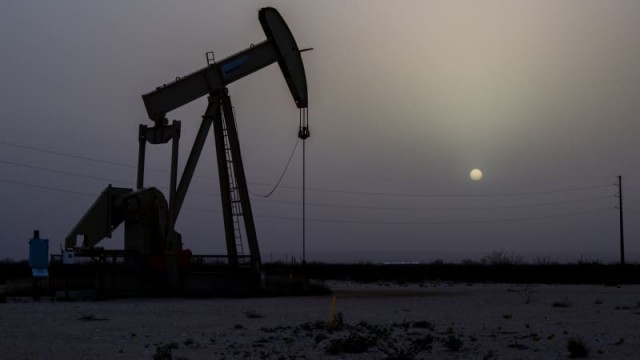
Oil prices rise as worries about economic outlook fade
Oil futures rose Thursday, finding support as worries about the outlook for U.S. economic growth faded, though concerns remain about fuel demand as the summer travel season gets under way.

Natural Gas and Oil Forecast: Oil Exhibits 4% Weekly Drop; Recovery Ahead?
Oil prices dropped 4% this week despite hopes for a Fed rate cut to boost demand. Will recovery follow?

Oil rises on strengthening Fed rate cut expectations
Oil rose in early Asian trading on Thursday on rising expectations the Federal Reserve will cut interest rates in September, and as the market rebounded from a selloff related to growing U.S. inventories and an OPEC+ plan to increase supply.

Plummeting oil, diesel, and copper prices signal economic stress. Here's why.
Some commodities can serve as barometers of economic activity, and the recent sharp declines in diesel, crude oil, and copper prices, along with signs of a demand slowdown in recent weeks, hint at a U.S. economy that has been struggling.

Oil prices rise but hover near four-month low on proposed OPEC+ supply increase later this year
Oil futures rebounded slightly after a sell-off this week pushed prices to four-month lows. The sell-off came after eight OPEC+ members announced plans to increase production starting in October of this year.
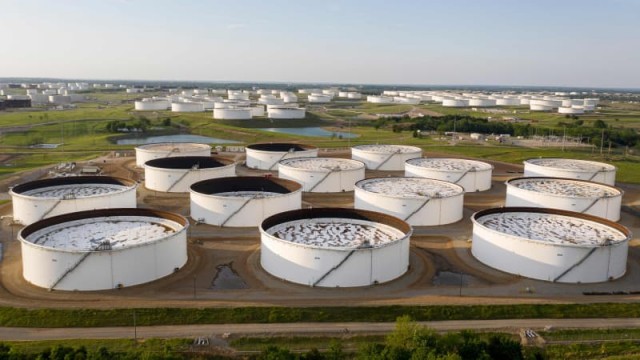
Oil prices edge lower after industry data shows rise in U.S. crude, gasoline stocks
Oil futures ticked lower early Wednesday, feeling pressure after industry data showed an unexpected rise in U.S. crude inventories and a larger-than-expected increase in gasoline stocks.

Oil market 'oversold'? Analysts and traders pin crude's price plunge on demand, trading strategies
Oil prices have defied the announcement of extended supply cuts from the OPEC+ alliance with brisk declines. Oil prices bowed below $80 barrels per day despite this prospect of market tightness, with the Ice Brent contract with August expiry at $77.59 at 11:14 a.m.

US lawmakers ask Justice Department to probe allegations of collusion between OPEC, oil companies
A group of Democratic U.S. Representatives asked the Justice Department in a letter on Tuesday to probe "potential antitrust conspiracies" among U.S. oil producers and the OPEC oil production group.

Why oil's recent drop is not a recession signal — and good news for stocks
The recent decline in oil prices is not a sign that the U.S. economy is heading for a recession — with the downward trend instead considered positive for stocks, according to DataTrek Research.

OPEC oil output rises in May, led by Nigeria, Iraq, survey shows
OPEC oil output rose in May, a Reuters survey found on Tuesday, as higher exports from Nigeria and Iraq offset the impact of ongoing voluntary supply cuts by some members agreed with the wider OPEC+ alliance.

U.S. crude oil extends losses, fall below $73 per barrel on OPEC+ increasing supply
U.S. crude oil has erased most gains for the year and is now up just under 2% in 2024. In a surprise move, eight OPEC+ producers laid out a plan to phase out 2.2 million bpd in production cuts starting in October.
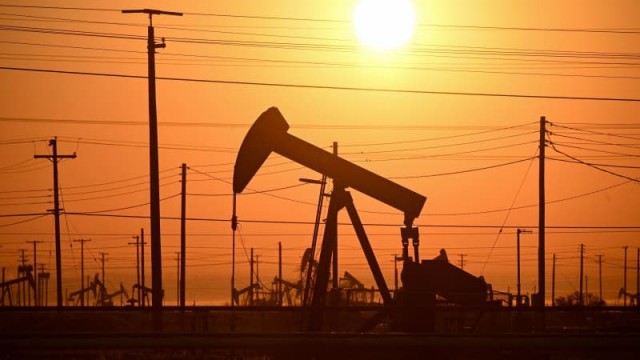
Oil prices extend slump triggered by OPEC+ move to phase out some production cuts
Oil futures fell Tuesday, extending a slide that took crude to its lowest close in four months in the previous session triggered in part by OPEC+'s decision to begin unwinding some production cuts later this year.




