



United States Brent Oil Fund, LP (BNO)
 ARCA ARCA Primary



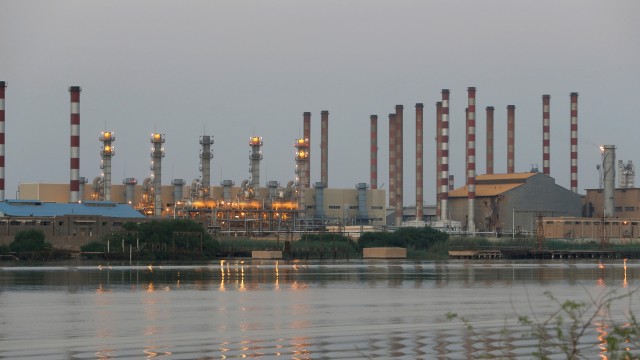
Iran plans to raise oil output to 4 mln barrels per day - Tasnim
Iran has approved a plan to raise its oil output to four million barrels per day, the country's Tasnim news agency said on Sunday, without providing a time frame.

Crude Oil News Today: Will High Inventories and Fed Policy Keep Prices Low?
Crude oil prices face a bearish short-term outlook due to unexpected inventory increases and concerns over potential Fed interest rate hikes.
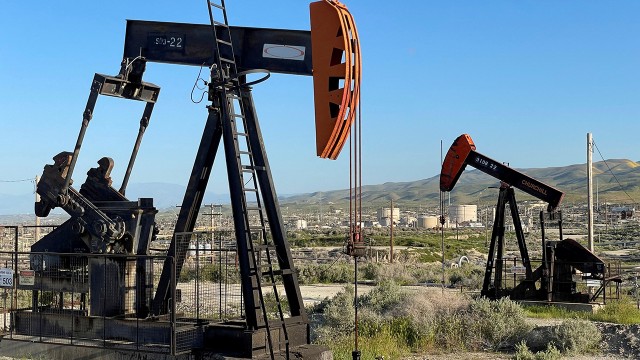
Oil on track for weekly loss over demand concerns
Oil looked set for a weekly loss on Friday after prices retreated Thursday amid concerns that inflation will stay higher for longer and hamper demand.

Crude Weekly Price Forecast – Crude Oil Continues to Find Buyers Underneath
It's worth noting that the summer travel season, of course, puts a lot of demand for petroleum.

Crude Oil Price Forecast – Crude Oil Continues to Find Buyers on Dips
The oil markets found a little bit of support on Friday, gapping higher to kick off the session. This is a market that has been weathering a bit of a storm lately, and therefore it has proven its resolve.
What is OPEC+ and how does it affect oil prices?
The Organization of the Petroleum Exporting Countries (OPEC) and allies including Russia are known collectively as OPEC+ and will meet on June 2 to discuss their joint oil production policy.
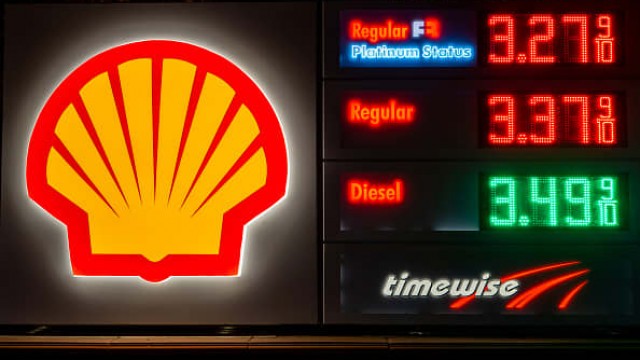
Oil prices hit three-month lows, head for weekly loss as summer driving season kicks off
U.S. crude oil hit an intraday low of $76.15, the lowest level since Feb. 26. WTI and Brent are on pace for a weekly loss of about 4% and 3%, respectively.
Oil prices on track for 5-day losing streak
Oil futures fell Friday morning, on track for a fifth straight decline as traders noted concerns that the Federal Reserve may keep interest rates elevated for longer than previously anticipated, posing a threat to demand if it causes a sharp economic slowdown.

Crude Oil News Today: Fed Concerns Weigh Despite Robust US Fuel Demand
Considering the economic backdrop, the hawkish Fed and OPEC+ supply decisions, the crude oil market outlook is bearish.

Natural Gas and Oil Forecast: Oil Fell Over 3% This Week; More Downside Ahead?
With oil falling over 3% this week, market analysts question the impact of Federal Reserve policies and OPEC+ decisions.
Oil flat as firming US gasoline demand offsets rate jitters
Oil prices were steady early in the session on Friday as players took stock of the U.S. Federal Reserve's latest comments on interest rates amid sticky inflation, while firming seasonal U.S. fuel demand lent support.

Crude Oil Price Forecast: Faces Increased Selling Pressure
WTI crude oil's lowest close since February 26 indicates weakening, with potential bearish continuation on a drop below 76.83.




