



United States Brent Oil Fund, LP (BNO)
 ARCA ARCA Primary




Crude Oil Price Forecast – Crude Oil Continues to Consolidate in a Familiar Range
The crude oil markets bounced a bit in the early hours of Thursday, as the market continues to try to sort out whether or not we can break out of the consolidation.

Russia finds it challenging to keep the lid on oil output, analysts, sources say
Russia, in a rare admission of oil overproduction, said overnight that it exceeded its OPEC+ production quota in April for "technical reasons", a surprise move that analysts and industry sources say shows Moscow faces challenges in curbing output.
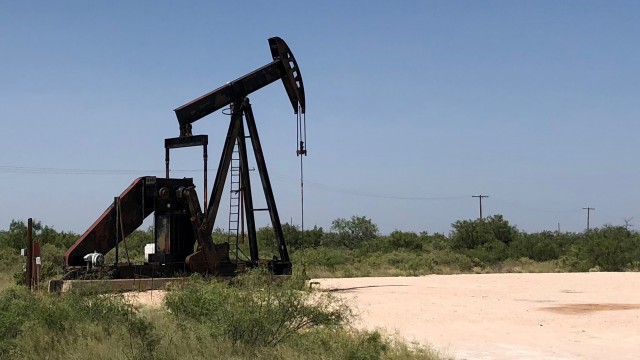
Oil prices bounce back after three-day decline but still on pace for weekly loss
U.S. crude oil is down 2.4% for the week while Brent, the global benchmark, is down 1.8%.
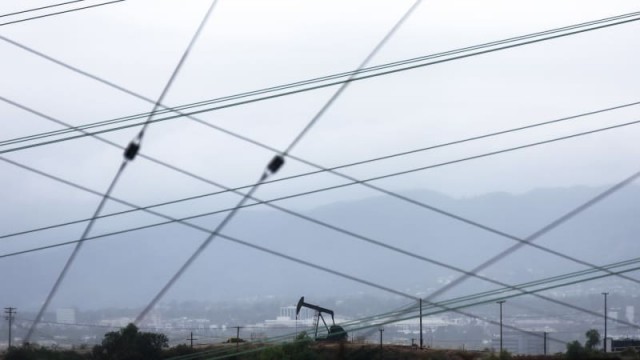
Oil prices attempt to snap 3-day losing streak
Oil futures rose Thursday morning, attempting to snap a three-day losing streak as investors weigh the outlook for Federal Reserve policy and crude demand.

Crude Oil News Today: Prices Pressured by Fed's Hawkish Tone, Inventory Shock
Given the Fed's indication of potential rate hikes and the unexpected rise in crude inventories, the short-term outlook for crude oil remains bearish.

India, Egypt top destinations for Russian seaborne fuel oil, VGO exports in April, LSEG data shows
India and Egypt were the top destinations for Russian seaborne fuel oil and vacuum gasoil (VGO) exports in April, traders said and LSEG data showed.

Oil prices fall on worries of higher US interest rates
Oil prices eased for a fourth straight day on Thursday on worries that U.S. borrowing costs could be hiked again if inflation surged, a move that could hurt oil demand.

US lawmakers urge Justice Department to probe climate deception by Big Oil
U.S. lawmakers behind a congressional probe of major oil companies on Wednesday called on the Justice Department to investigate whether the industry deceived the public about fossil fuels' impact on climate change.

Crude Inventories Rise By 1.8 Million Barrels, Exceeding Analyst Expectations
Gasoline inventories declined by 0.9 million barrels.

Crude Oil Price Forecast – Crude Testing The Low End of The Range
The crude oil market has fallen a bit in the overnight trading session, as the crude oil build was higher than expected in the United States.
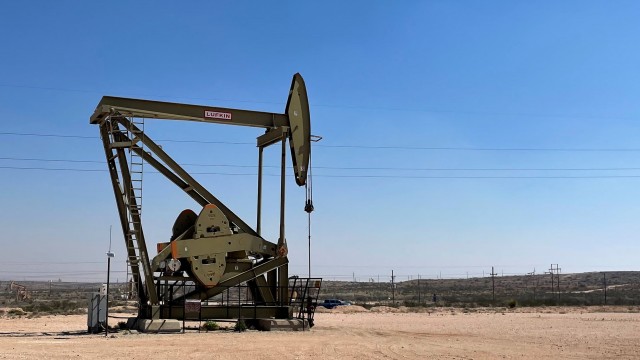
Oil prices extend losing streak, on pace for third daily decline
U.S. crude oil and global benchmark Brent are down more than 2% for the week.
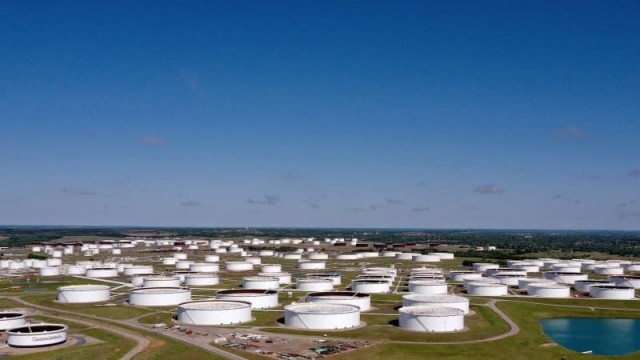
Oil prices on track for 3-day losing streak as traders eye rising inventories
Oil futures fell early Wednesday, on track for a three-day losing streak, after industry data showing a rise in U.S. crude and gasoline inventories amplified worries over the outlook for demand.




