






Stocks slip in Asia, oil up on peace doubts
Most share markets slipped in Asia on Monday as doubts about the Middle East peace process sent oil prices and bond yields up again, leading investors to price in more risk of higher U.S. interest rates.
Oil Falls to 3-Month Low After Trump's Iran Deal. What It Means for Inflation
A framework peace agreement between the Trump administration and Iran has shifted the outlook for energy prices and inflation heading into the new week, as discussed on Friday's edition of Maria Bartiromo's “Mornings with Maria” on Fox Business.
Why oil isn't spiking: Iran ships 20 million barrels while China slashes imports
The sudden release of supply helped drive oil sharply lower from its spring highs and briefly pushed gasoline below $4 a gallon in parts of the US.
Oil shipments rise in Hormuz although questions grow over Iran's transit terms
Oil shipments through the Strait of Hormuz picked up on Friday after the United States and Iran signed a ceasefire deal, with Gulf producers preparing to raise exports despite concerns over conditions set by Tehran for using the vital waterway.
Hormuz Reopening Shifts Focus to Gulf Oil Storage and Shipping
Recovery hinges both on whether tankers can freely transit the strait, and if the region's oil producers can load enough crude once these vessels are ready to sail, according to Rystad Energy.
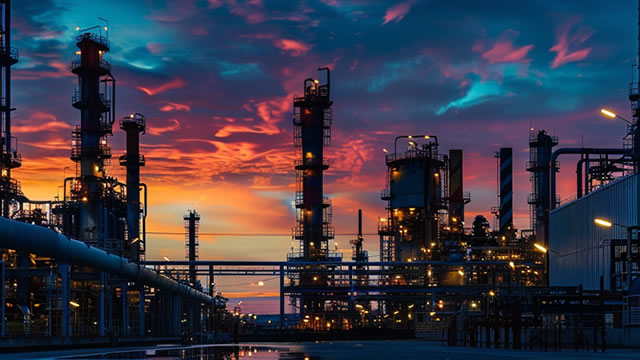
It could take 6-10 weeks for things to return to normal after Hormuz reopens: Dan Pickering
Dan Pickering, CIO of Pickering Energy Partners, discusses his outlook on the oil market ahead of the signing of the U.S.-Iran deal to end the war, and why it's unlikely that oil will fall to the $60 per barrel level.
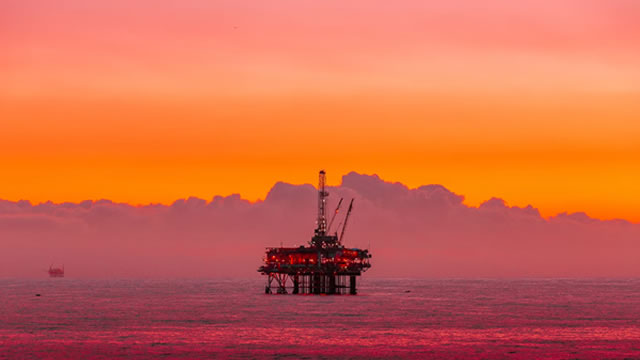
Abu Dhabi tells buyers to load oil shipments from inside Hormuz, Bloomberg News reports
United Arab Emirates state-owned producer Abu Dhabi National Oil Co has told its customers to resume loading its crude oil from its ports at Das and Zirku islands, in the Gulf, Bloomberg news reported late on Thursday citing a notice sent to customers.
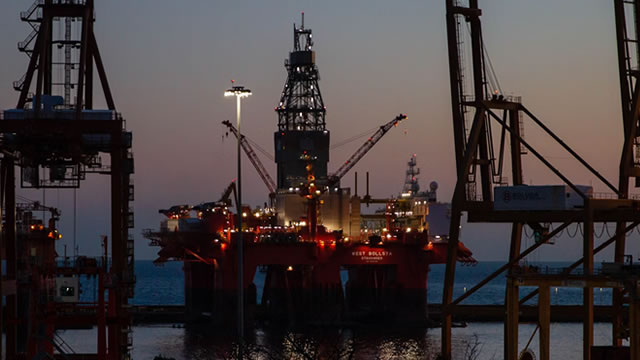
Oil drifts lower as Strait of Hormuz reopens, focus shifts to demand outlook
Oil prices steadied as markets weighed the interim U.S.-Iran agreement. Shipping through the Strait of Hormuz showed signs of recovery.
Oil falls as supply starts moving through Strait of Hormuz
Oil prices fell on Friday on the prospect of more supply returning to the market after oil tankers began to move through the Strait of Hormuz following the signing of the U.S.-Iran interim peace deal.

Oil Falls on Signs of Strait of Hormuz's Reopening
Oil fell in early Asian trade on signs of a reopening of the Strait of Hormuz, a critical channel through which one-fifth of the world's oil is typically transported.
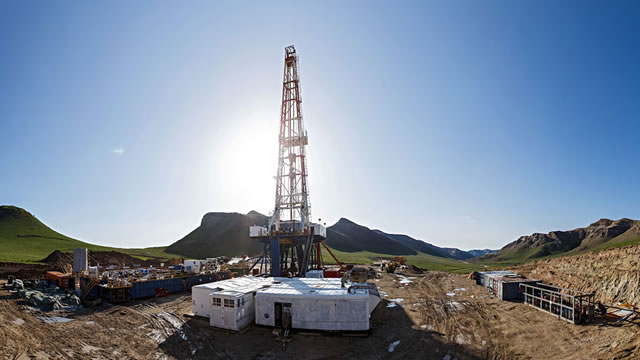
With the planned reopening of the Strait of Hormuz, the specter of a prolonged crunch in energy supplies has faded—but the disruption could take months to unwind
The specter of a prolonged crunch in energy supplies has faded, but the disruption could take months to unwind.
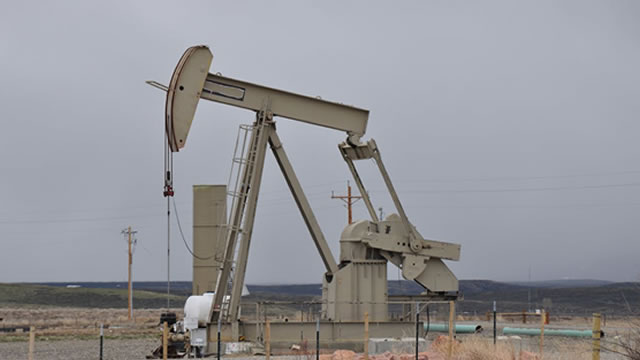
Oil prices slide near pre-Iran war levels – but it could take months for gasoline to fully drop
Oil prices fell about 10% this week to their lowest levels since the war in Iran started after President Trump signed a deal to reopen the Strait of Hormuz.




