





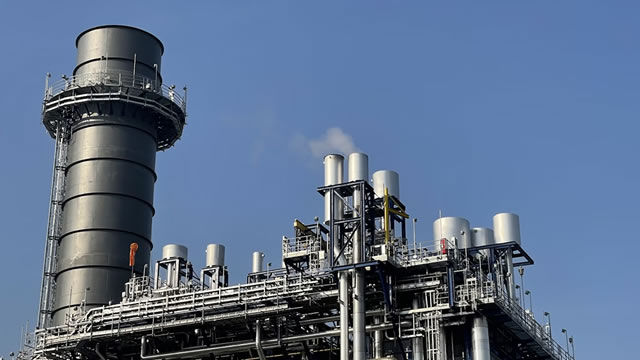
Coastal Africa Group targets AIM listing to pursue West African oil and gas acquisitions
Coastal Africa Group, a newly incorporated company focused on oil and gas acquisitions across West Africa, has announced its intention to float on AIM in early June. The company will list as an investing vehicle with a mandate to make an initial acquisition within 18 months, after which it will become an operating company.

As Iran war drags on, this is how quickly global oil stocks are being depleted — and travel season is starting soon
Physical supplies of oil through the Strait of Hormuz are 95% below regular levels.
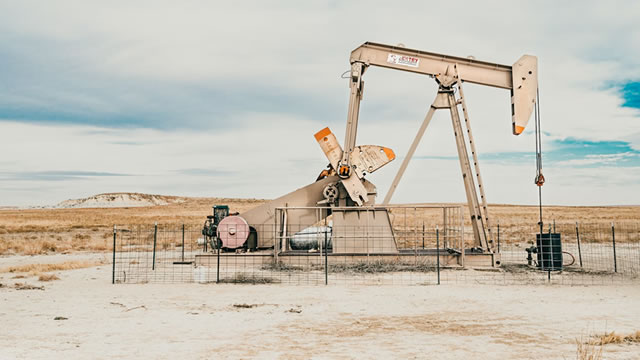
Why Oil Prices Are Staying Around $100 a Barrel
President Donald Trump said Iran negotiations were in their "final stages."

Indonesian export shake-up hands investors a buying opportunity in London-listed palm oil producers
A sell-off in London-listed palm oil producers triggered by an opaque Indonesian government announcement on export controls looks increasingly like an overreaction, with both REA Holdings and M.P. Evans now trading at valuations that bear little relation to their underlying earnings power.

Oil rebounds on uncertainty over Iran peace deal and inventory drawdowns
Oil prices rebounded on Thursday after two days of losses on outstanding supply concerns because of the uncertain outlook for an end to the Iran war and a U.S. inventory draw raised worries about the depletion of global stockpiles.
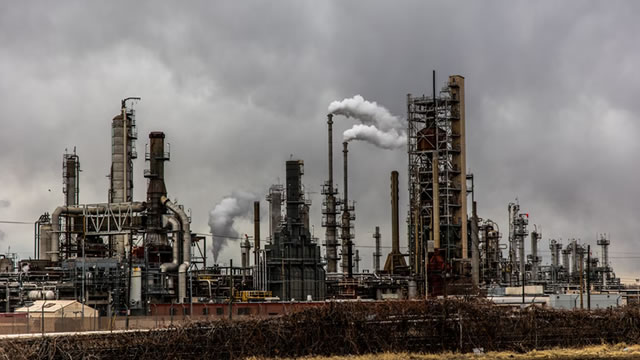
Oil Futures Rise on Likely Technical Recovery
Oil futures rose in early Asian trade on a likely technical recovery after the futures posted back-to-back losses overnight.

Metals recover as Iran talks cool oil, Fed minutes cap risk - Kitco PM Report
Spot gold prices are sharply higher and spot silver prices are sharply higher after the close Wednesday, as oil prices fell on U.S.-Iran diplomacy and signs of renewed tanker movement through the Strait of Hormuz.

Feds probe suspicious oil trades worth $800M made just before major Iran war news: report
Wall Street regulators are investigating a batch of suspiciously well-timed oil trades worth more than $800 million – amid mounting accusations of insider trading, according to a report.
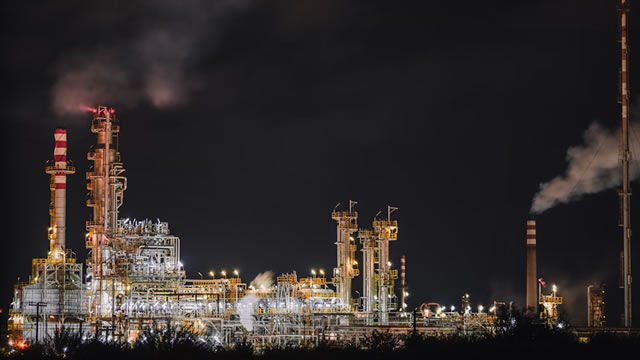
U.S. Crude Oil Stockpiles Post Fourth Straight Weekly Draw
Commercial crude oil stocks fell by 7.9 million barrels last week. Analysts expected crude stocks to fall by 3 million barrels.
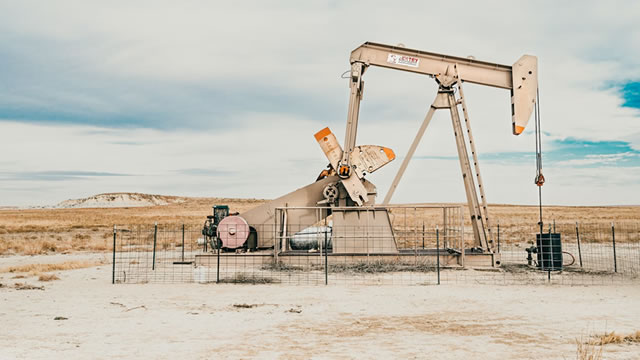
These Firms Made More Than $15 Million On Oil Trades Right Before Trump Iran War Announcement, Report Says
The Commodity Futures Trading Commission is looking into oil futures trades made by at least three previously unreported firms on March 23, just before Trump announced a ceasefire extension with Iran, the Wall Street Journal reported.
Oil prices decline after Trump reaffirmed he would end the war in Iran ‘very quickly'
On Tuesday, the Strait of Hormuz saw “one of the busiest days since the closure.”
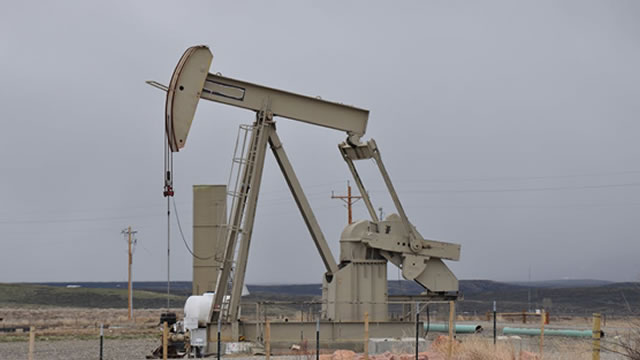
Oil Prices Fall After Reports Supertankers Are Moving Through Strait of Hormuz
Crude prices remain elevated but there appears to be movement in the Strait of Hormuz Wednesday.




