





Oil prices extend gains as Trump comments diminish hopes for a U.S.-Iran peace deal
President Donald Trump said the ceasefire with Iran was on "life support," after rejecting Tehran's latest proposal to end the war. Trump told reporters that the state of the ceasefire is "unbelievably weak," calling Iran's suggestions to end the conflict "garbage.
Saudi Aramco CEO warns oil markets may not recover until 2027 due to Hormuz disruptions
Saudi Aramco CEO says the global energy market has lost about 1 billion barrels of oil supply amid the Iran war's disruption to Strait of Hormuz shipping.
Saudi Aramco CEO says oil market won't normalize until 2027 if Hormuz disruption persists
The oil market will not normalize until 2027 if the disruption in the Strait of Hormuz persists past the middle of June, Saudi Aramco CEO Amin Nasser said. The biggest challenge facing the market is the disruption to the global tanker fleet, Nasser said.
Aramco Sees Oil Market Losing 100 Million Barrels a Week if Hormuz Remains Closed
Saudi Aramco Chief Executive Amin Nasser added that the market has already lost about 1 billion barrels of oil supply during the crisis.
Oil market won't return to normal this year if Iran conflict isn't solved within weeks, Aramco CEO says
Oil futures for December have gained 47% this year, a sign that traders don't anticipate a quick return to normal.
Stock Market Today: Oil Climbs as U.S.-Iran Diplomacy Yields Little Progress
Stock futures slip after last week's blistering rally
Oil News: Crude Oil Traders Brace for Volatility as Iran Headlines Drive Outlook
Crude oil futures face another volatile week as Iran talks and Strait risks keep traders focused on key WTI and Brent pivot levels.

Oil Rises Amid Signs of Ongoing Middle East Tensions
Oil rose in early Asian trade amid signs of ongoing Middle East tensions that could sustain supply disruptions.
U.S. stock futures fall, oil surges as Trump calls Iran's latest offer to end war ‘totally unacceptable'
U.S. stock-index futures fell and oil prices rose on Sunday, after President Donald Trump called Iran's response to the latest U.S. proposal to end the war “totally unacceptable.”
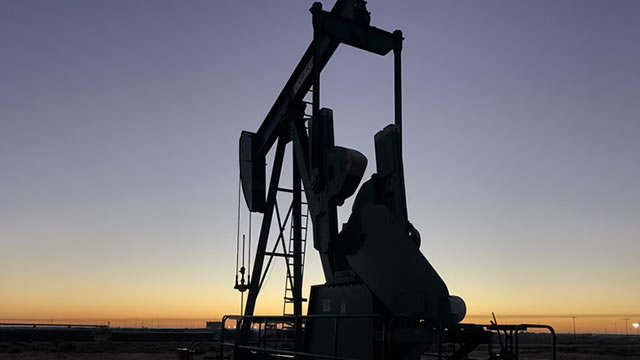
Aramco CEO warns 1 billion barrels lost will slow oil market recovery
The world has lost about 1 billion barrels of oil over the past two months and energy markets will take time to stabilise even if flows resume, Saudi Aramco's CEO said on Sunday, as shipping disruptions choke traffic through the Strait of Hormuz.
Introducing the ‘NACHO' trade: How Wall Street is betting on higher oil prices and persistent inflation
Wall Street is glomming on to yet another acronym inspired in part by Mexican cuisine.
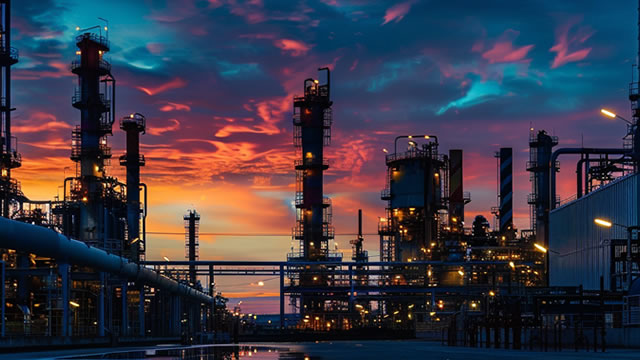
The Iran war will change global energy markets in these important ways, oil executives say
Governments will prioritize energy security, aiming to diversify their supplies, leading oil executives said. Investments in oil exploration and production will increase, they said.




