






China energy imports drop in April amid Iran war as fuel exports hit decade low
China's oil imports fell to the lowest level in almost four years in April as the closure of the Strait of Hormuz choked off supplies to the world's largest oil importer.

The Iran war has broken the oil market's $100 barometer
As refiners chase profits, a better way to gauge the oil shock's impact in America right now is through the price of gas and other oil products.
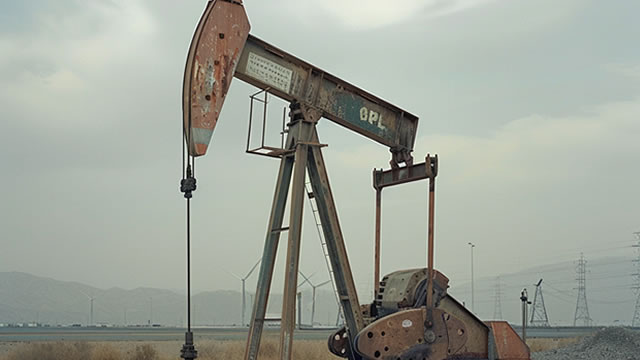
Oil Back Above $100, U.S. Futures Up as U.S.-Iran Tensions Escalate
U.S. futures diverged from falling stocks in Asia and Europe, with all of its major indexes in the green as investors looked past the rise in escalations.

U.S.-Iran Strikes Test Cease-Fire. Oil Prices Rise But Head for Weekly Losses.
Brent crude and WTI prices were rising early Friday as the U.S. and Iran exchanged strikes but the market is still hopeful of a peace deal.

‘Not a Chance Hormuz Opens': How Wall Street's new NACHO trade bets on a prolonged oil shock
Traders are embracing the “NACHO” trade as doubts grew over a quick Hormuz reopening. Oil and shipping markets signaled fears of a prolonged disruption.

Oil resumes rally as U.S.-Iran fire exchange rattles fragile Hormuz ceasefire
Oil prices rose Friday after the U.S. and Iran exchanged fire in the Strait of Hormuz. President Donald Trump, in a call with an ABC News reporter later Thursday, insisted that the ceasefire remains in effect, saying the strikes were "just a love tap.

Oil Rises Amid Signs of Rising Strait of Hormuz Tensions
Oil rose in early Asian trade amid signs of rising tensions in the Strait of Hormuz, a key waterway through which one-fifth of the world's oil is typically transported.

Crude Oil Price Analysis – Oil Drifts Lower on Peace Hopes
Crude oil drops again on hopes of Middle Eastern peace, as traders continue to try to price in the idea of an end to the war.

Will Equal Asset ETF Mix Beat Hype in Uncertain Markets?
Equal-weight portfolios are beating high-risk bets in 2026, as commodities, TIPS and cash cushion volatility while equities deliver steady gains.
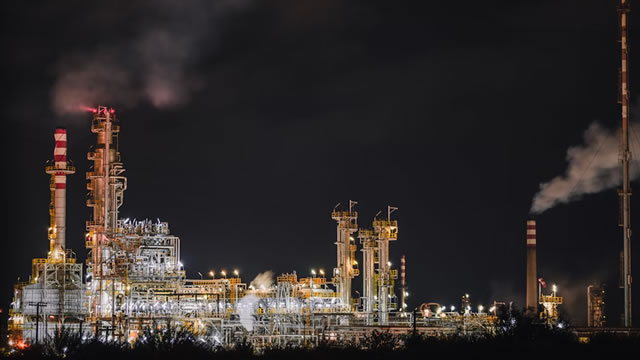
Record oil exports could drive U.S. diesel and gas supply shortages just as summer travel starts
Diesel supplies sink to about a 20-year low as prices jump to $5.67 a gallon nationally — and it isn't yet peak summer travel
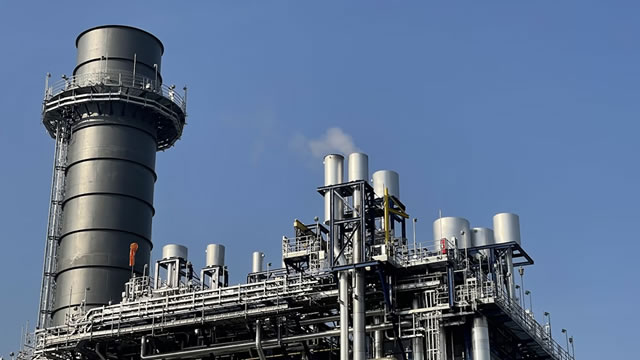
Iran deal optimism pushes oil price back below $100; UK builders hit by surge in costs – business live
Rolling coverage of the latest economic and financial news
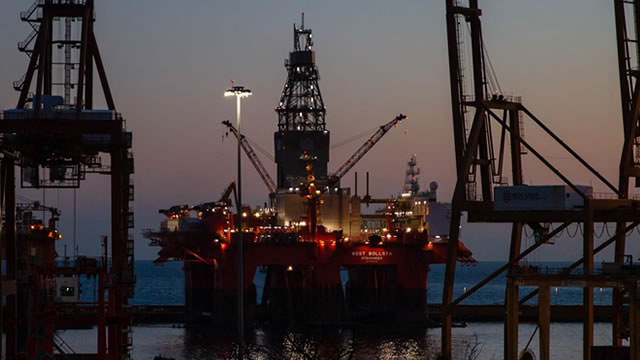
Exclusive: Hungry to sell, UAE slips hidden oil tankers through Strait of Hormuz
The tankers shut off their location trackers to avoid Iranian attacks.




