






Singapore's oil product stocks hit over nine-month lows as US-Iran war cuts supply
Oil product stocks in Asia's oil hub Singapore hit their lowest in more than nine months after the U.S.-Iran war curtailed Middle East crude and fuel exports, official data showed on Thursday.

Oil Edges Lower as Investors Remain Cautious Ahead of Iran Response
Stocks gained as investors awaited Iran's response to a U.S. memo that would declare an end to the conflict and gradually reopen the Hormuz Strait.
Oil Prices Drop Further. What Comes Next in U.S.-Iran Peace Talks.
Brent crude and WTI futures were falling early Thursday amid positive noises about a U.S.-Iran peace deal.
Oil rises as U.S.-Iran tensions keep traders focused on Strait of Hormuz risks
Investors continue to assess the latest developments in the Middle East amid concerns over renewed tensions between Iran and the U.S. President Donald Trump said Wednesday Iran will be bombed "at a much higher level" if it doesn't agree to a peace deal

Oil Futures Rise on Likely Technical Recovery
Oil futures rose in early Asian trade on a likely technical recovery after dropping overnight.
US oil prices rebound as investors assess prospects for a Middle East peace deal
U.S. crude futures rose about $1 in early trade on Thursday, rebounding from the previous day's losses, as investors assessed prospects for a Middle East peace deal.

Traders point to suspicious activity in the oil market on Wednesday
Oil contracts worth $1.7 billion changed hands in the hour before an Axios report sent oil prices lower Wednesday. Some experts are calling the spike in activity suspicious.

$100 Oil Could Be Here to Stay, Whatever Happens With the Peace Deal
A return to normal operations in the Middle East could take months.

The Petroleum Inventory Crash: $200+ Oil Is Coming Soon
Global petroleum inventories are being depleted at a record pace, with critical shortages likely within weeks, even if the Strait of Hormuz reopens imminently. OECD crude oil inventories are projected to reach the critical 24-day cover threshold by June, with localized shortages and scarcity pricing emerging as early as mid-May.
Oil Falls, Risk Sentiment Rises as U.S. Avoids Iran Escalation
U.S. stocks looked set to extend record highs after Trump walked back an effort to guide commercial ships through the Strait of Hormuz, easing concerns of a near-term escalation in the U.S.-Iran war.

Iran And China's Foreign Ministers Meet In Beijing As Trump Pauses ‘Project Freedom'
Araghchi arrived in Beijing early on Wednesday. Chinese state media reported the Iranian Foreign Minister held talks with Wang Yi, the highest-level in-person talks between the two countries since the start of the U.S.-Iran war.
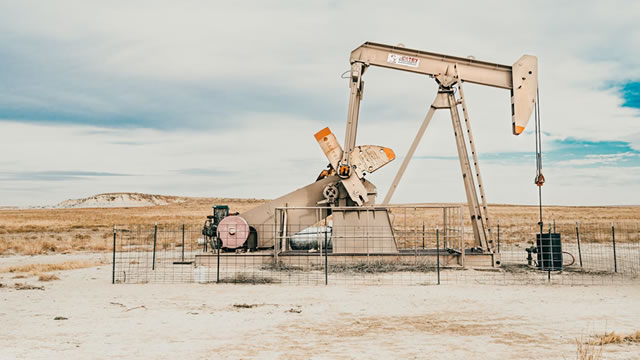
Oil Falls on Hopes of U.S.-Iran Peace Deal
Oil fell in early trade on hopes of a U.S.-Iran peace deal that could reduce supply disruptions.




