





Bitcoin

Bitcoin Slides Below $79K After $81K Rejection
Bitcoin was rejected at $81,000, fell by more than $2,000 and slipped below $79,000, marking its weakest level in 10 days. Leveraged longs unwound as inflation fears hit risk assets, leaving BTC around $79,200 during Asian hours, down 2.3% over 24 hours.

Bitcoin traders brace for $1 billion liquidation trap after inflation shock breaks $80,000
Bitcoin's break below $80,000 has pushed traders toward a crowded leverage zone where a further decline could force about $1 billion of long positions out of the market.

BTC ETF Sees $630M Exit as Corporate Buyers Pull Back
Bitcoin exchange-traded funds bled $630 million on May 13. The exodus came as companies slowed their Bitcoin treasury purchases, and a massive options position near $82,000 threatens to shake things up.

Bitcoin Under $80,000: Warsh Confirmed As Next Fed Chair—Here's The Likely Impact
Bitcoin suffered a sharp pullback on Wednesday, giving up the crucial $80,000 support level that helped BTC rally to prices last seen earlier in the year. The selloff comes as Congress has also confirmed a new Federal Reserve (Fed) chair—Kevin Warsh—raising expectations for how monetary policy could evolve next.

Bitcoin Price Prediction: BTC Struggles Near CME Gap
Bitcoin price tests key support near $76,527 as BTC moves between CME gaps and short term resistance zones.

This Man Was Locked Out Of His Bitcoin Wallet For 11 Years — Claude AI Got Him Back In
A Bitcoin holder known on X as @cprkrn recovered approximately 5 BTC — worth between $400,000 and $500,000 at current prices — on May 13, 2026, after more than eleven years locked out of a wallet, crediting Anthropic's Claude AI with solving a technical problem that had defeated every conventional recovery method he had tried

The Bank of Japan Just Triggered $635 Million in Bitcoin ETF Outflows in a Single Day: Is the Rally Over?
Bitcoin ETFs See $635M Outflow as BOJ Triggers Liquidations
Clarity Act markup leaves bitcoin unstirred
The week's main event for digital assets, the U.S. Clarity Act markup, is due later today. The crypto market, led by bitcoin, seems to be treating it as a non-event.

Bitcoin : The rally could stop abruptly, according to CryptoQuant
Bitcoin returns to a dangerous zone. After several weeks of rebound, CryptoQuant estimates that the market could flip if the current resistance holds strong.
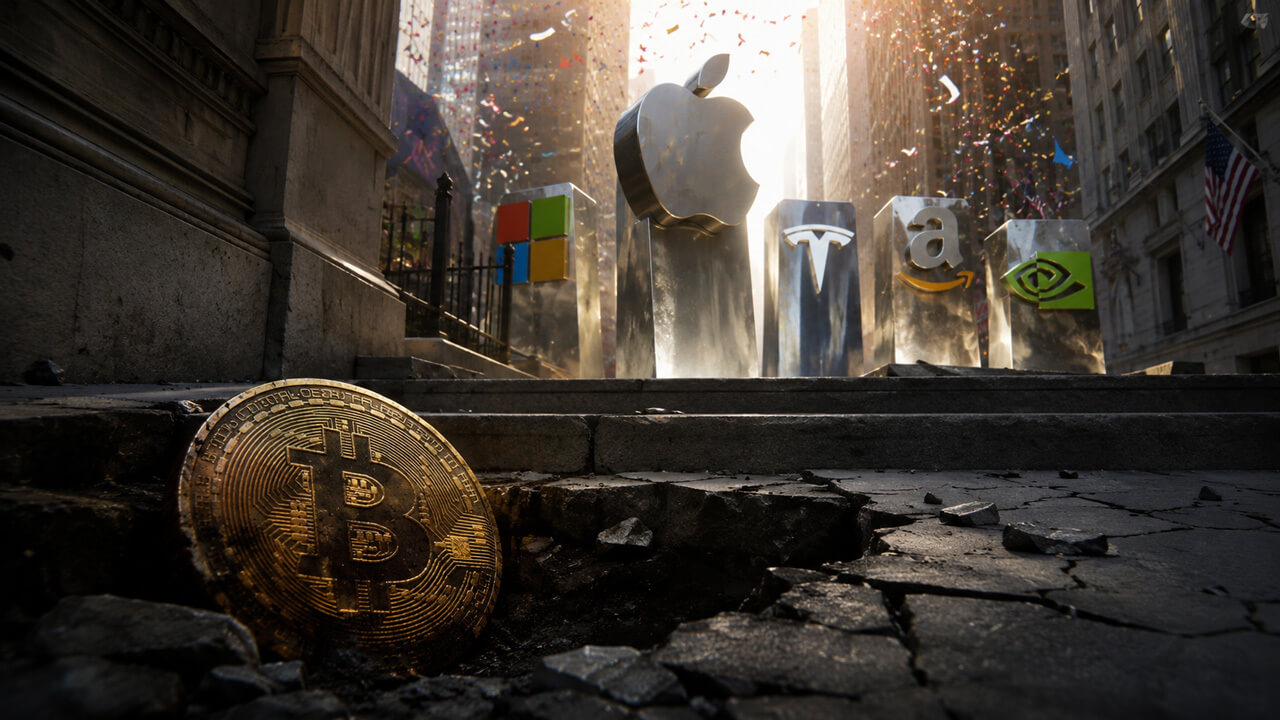
The S&P 500 hitting another all-time high just exposed Bitcoin's real problem
Traders have been treating Bitcoin as a high-beta proxy for the same risk appetite driving Nvidia and the Mag-7, one that should move with equities on green days. Instead, Bitcoin lost its $80,000 support and registered an intraday low of $78,759.
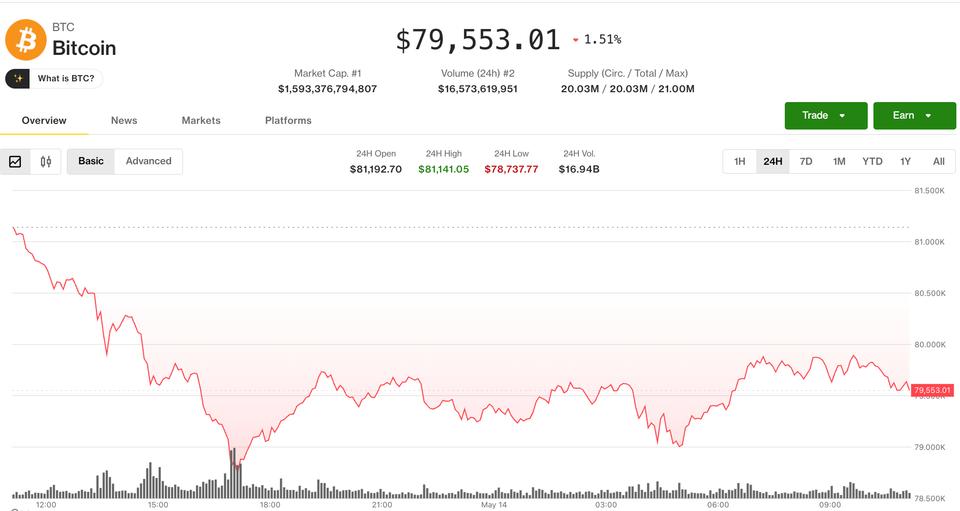
Bitcoin stuck below $80,000 as leveraged longs unwind, altcoins slide
Crypto markets weakened as inflation fears hit risk assets, triggering long liquidations, negative derivatives flows and renewed pressure on altcoins.
Bitcoin Crash Wipes Out $109.7M in Long Positions as Outflows Dry Up and Shorts Dominate
On-chain weakness, aggressive short bets, and inflation data collided to spark Bitcoin's brutal mid-May selloff.




