



BYD Company Limited (BYDDY)







China-EU Hybrid Import Deal Eases Trade Tensions, Risks Remain
China and the European Union (“EU”) have reached an agreement to limit hybrid vehicle imports into the bloc to ease trade tensions and address concerns over growing Chinese automotive exports. The agreement will cap annual hybrid vehicle imports at 350,000 units in the first year, with the quota potentially taking effect Dec. 1, 2026.
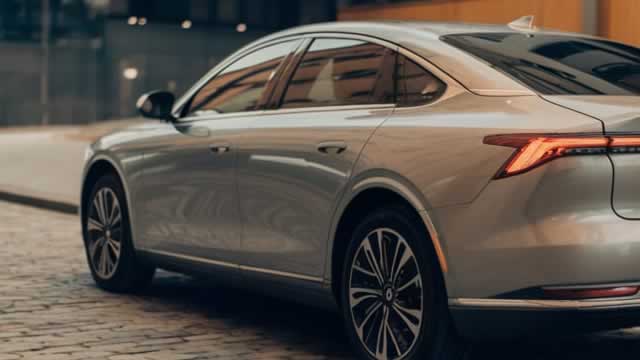
BYD or Tesla: Which Is a Better Stock?
BYD is largely a bet on execution. Tesla is increasingly a bet on optionality.
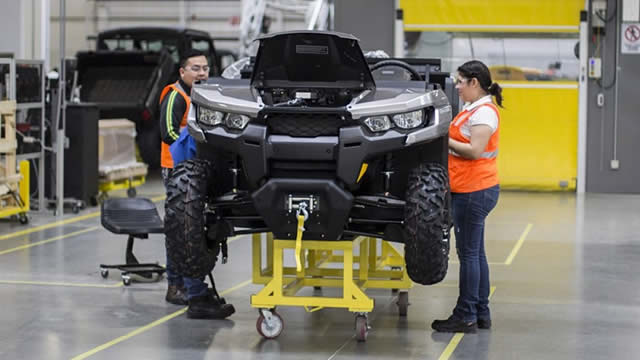
EV Company News For The Month Of September 2026
Global electric car sales Aug. 2026 up 5% YoY to 27% share. China sales down 10% to 65% share. Europe up 39% to 42% share. USA down 39.6% to 7.70%. EV market news - China NEV exports surged 154.7% higher YoY in August, 2026. Trump says he's open to China building cars in US, as long as they employ Americans. EV company news - BYD sold 463,561 NEVs in September, up 16.98% YoY. Geely unveils ultrafast AI-powered EV charging to take on BYD.
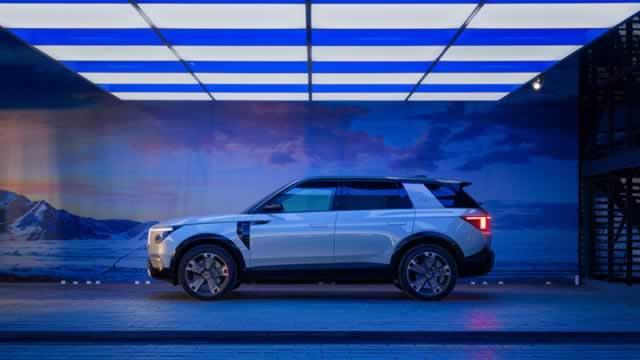
BYD Proves Lead Over Tesla Won't Stop
The EU is the world's third-largest car market. Car makers sell about 13 million cars there a year, behind America's 16 million and China's 34 million.
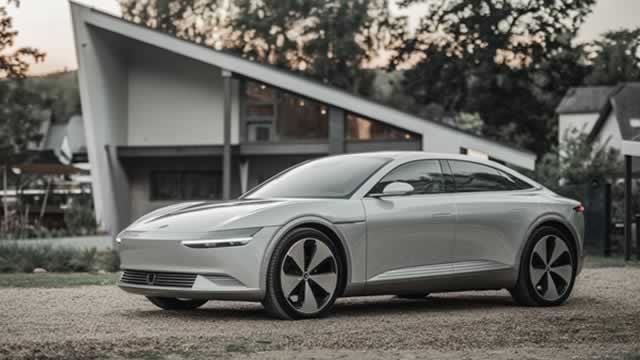
BYD, CATL, Xiaomi executives may join Xi's US visit, sources say
Washington and Beijing are finalising a group of Chinese business leaders to join President Xi Jinping's upcoming visit to Washington, three sources familiar with the matter said, potentially including companies facing US regulatory scrutiny as they seek greater market access.
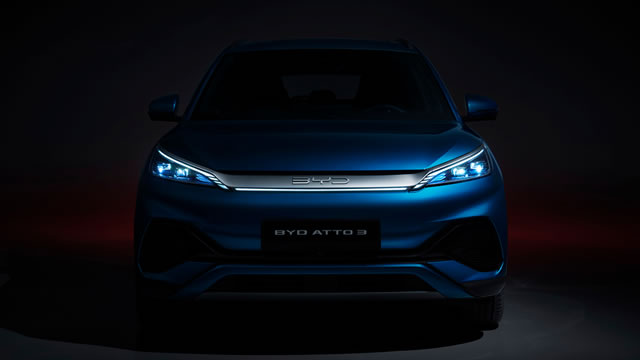
BYD's Domestic Sales Plunge. China's Car Market Continues to Struggle.
BYD, XPeng, NIO, and Li Auto reported August delivery numbers on Tuesday.
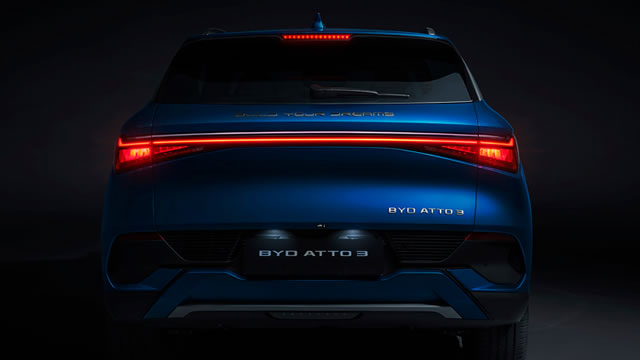
BYD's sales extend growth streak on strong exports
Chinese electric vehicle maker BYD , reported rising global sales for the fourth straight month, as robust exports continued to cushion the impact of sluggish domestic demand.
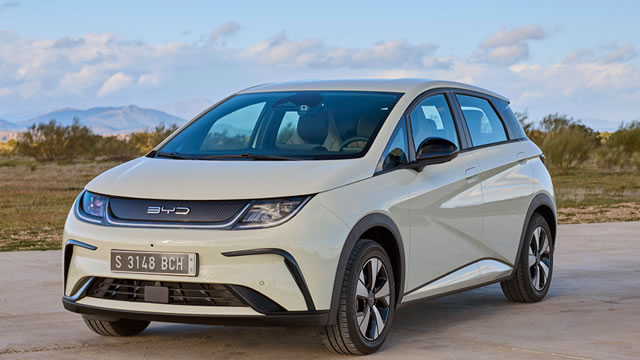
BYD: The World's #1 EV Maker By Every Measure (Rating Upgrade)
BYD recently released its interim financial report for 2026's first half. The figures reported implied that the company earned $1.2 billion in the second quarter. BYD has long been the leading EV maker by deliveries. Now, it is also #1 by profit, beating Tesla's most recent earnings performance by about $100 million.
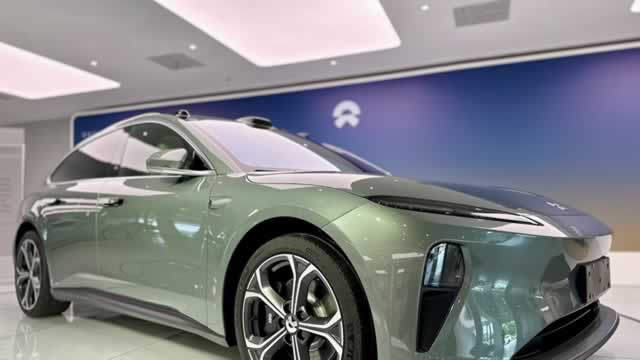
Nio stock builds a bullish pattern into earnings as BYD issues major EV warning
Nio stock has crashed in the past few months, erasing billions of dollars in value, even as its delivery growth has accelerated. It has now stalled at a crucial support level and has formed a highly bullish chart pattern ahead of its earnings report on Tuesday, September 1.
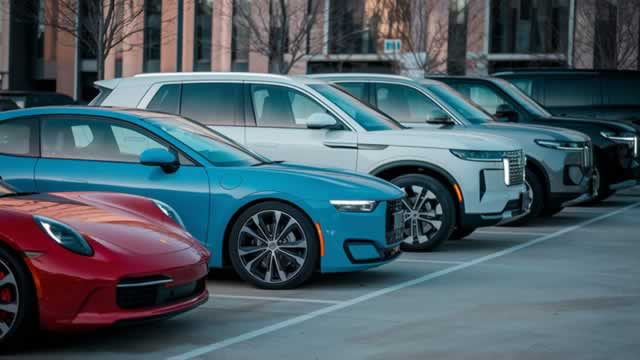
Hang Seng Index: Top 3 reasons Hong Kong stocks are falling today
The Hang Seng Index retreated slightly on Monday as geopolitical tensions between the US and Iran rose and after a report showed that China's economy was struggling. It dropped to 25,402, slightly lower than this month's high of 26,180.
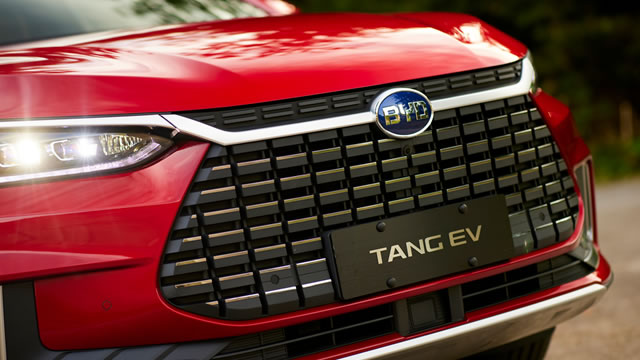
BYD shares slide as fierce China competition dents first-half earnings
BYD flagged sluggish domestic demand and fierce competition in China, while highlighting continued strength overseas. Second-quarter net profit rose 30% year on year to 8.2 billion yuan, according to Citi.

BYD's Overseas Push Drives Quarterly Profit Growth
BYD's net profit rebounded despite slightly lower revenue in the second quarter, showing that the world's top electric-vehicle seller may have turned a corner with the help of its rapid expansion overseas.




