



Beyond Meat Inc. (BYND)










Small Cap Stocks Worth Watching – October 28th
Beyond Meat, Spring Valley Acquisition, Strive, SEALSQ, VSee Health, Inflection Point Acquisition Corp. II, and Churchill Capital Corp X are the seven Small Cap stocks to watch today, according to MarketBeat's stock screener tool. Small-cap stocks are shares of publicly traded companies with relatively small market capitalizations - generally roughly $300 million to $2 billion,
Penny Stocks To Watch Today – October 28th
Beyond Meat, Strive, VSee Health, Pulmonx, and Datavault AI are the five Penny stocks to watch today, according to MarketBeat's stock screener tool. Penny stocks are shares of very small or microcap companies that trade at low per-share prices - traditionally under $1 but commonly defined in the U.S. as stocks trading below $5. They
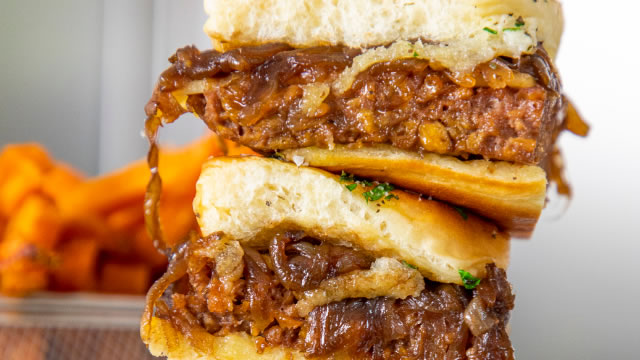
Beyond Meat is on a wild ride. Why you should think twice before taking a bite.
Beyond Meat Inc., the maker of pea-based meat substitutes, has become the latest company to join the growing pantheon of meme stocks.
Wall Street sets Beyond Meat stock price for the next 12 months
Beyond Meat (NASDAQ: BYND) shares were up nearly 420% on the five-day chart at one point on Thursday, October 23, drawing market attention as investors dub it the next big meme stock.
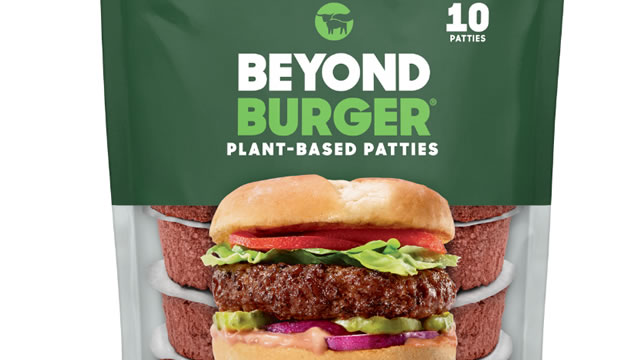
Meme stock revival: UChicago's Alex Imas on Beyond Meat's meme rally
Alex Imas, Chicago Booth School of Business professor of behavioral science, economics and applied AI, joins 'Squawk Box' to discuss the meme stock revival, Beyond Meat's recent meme rally, and more.
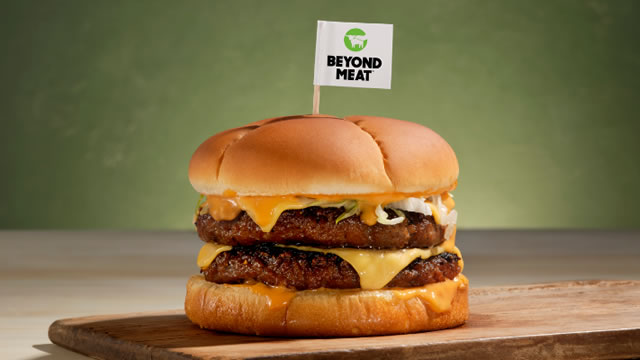
Beyond Meat Is a Terrible Company
Beyond Meat Inc. (NASDAQ: BYND) stock is up 450% this week after huge gyrations up and down.
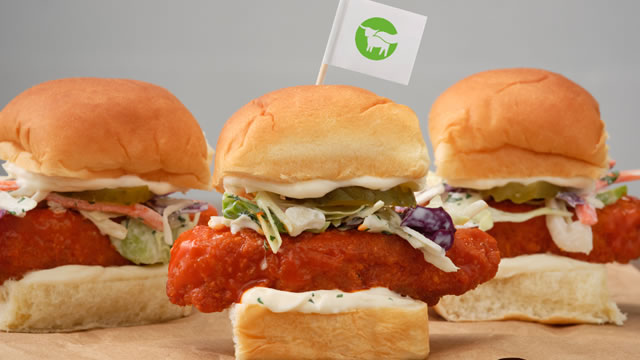
Beyond Meat Goes Meme: Traders Pile Into Struggling Faux Meat Shares
Trading frenzy drives stock nearly 500% higher Wednesday, after the shares plunged last week on debt deal.

Beyond Meat and Krispy Kreme: Meme Stock Traders Can't Seem to Get Enough of the Combo
If you're old enough to remember when shares of Beyond Meat traded for under a buck apiece, read on. (It was earlier this week.

Beyond Meat, Krispy Kreme surge on meme stock comeback
Beyond Meat Inc (NASDAQ:BYND) shares continued to skyrocket as part of a meme stock rally, having surged about 650% in the last five trading days. The plant-based food company has seen its shares jump from about $0.60 last Thursday to $5.20 on Wednesday morning.

Beyond Meat and Krispy Kreme shares are soaring today as investors get the meme-stock munchies
Don't look now, but meme stock mania appears to be back with a vengeance this week.
Retail Traders Send Beyond Meat Up Another 90% Today
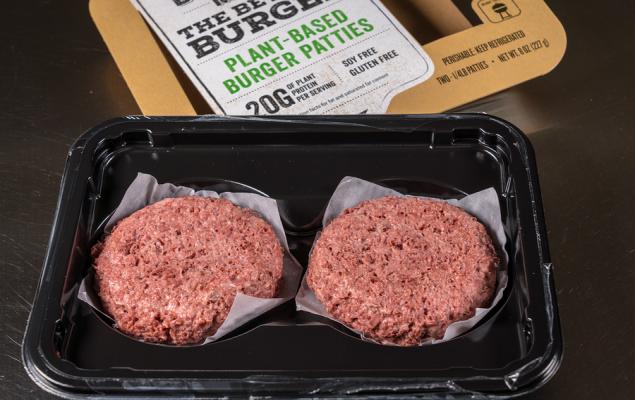
The image featured for this article is © Sundry Photography / iStock Editorial via Getty Images
BYND Stock Rallies as Walmart Deal Boosts Retail Comeback
Beyond Meat shares surge considerably as the company's expanded Walmart rollout and new value pack signal a powerful retail revival.




