



Caterpillar Inc. (CAT)












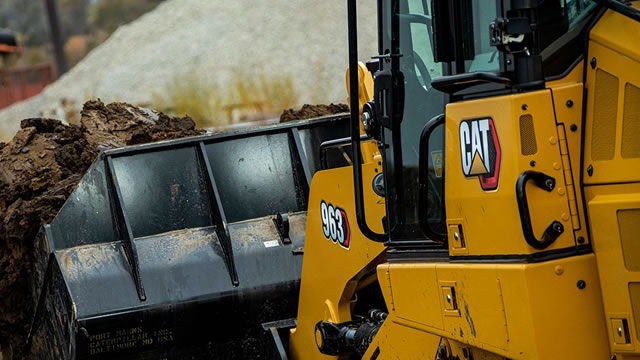
Caterpillar Inc. (CAT) is Attracting Investor Attention: Here is What You Should Know
Zacks.com users have recently been watching Caterpillar (CAT) quite a bit. Thus, it is worth knowing the facts that could determine the stock's prospects.

Here Are Friday's Top Wall Street Analyst Research Calls: Applied Materials, Caterpillar, Home Depot, Microsoft, Shake Shack, StubHub and More
The futures are trading lower to close out the week after a dreadful day on Wall Street on Thursday, during which all the major indices were hammered.
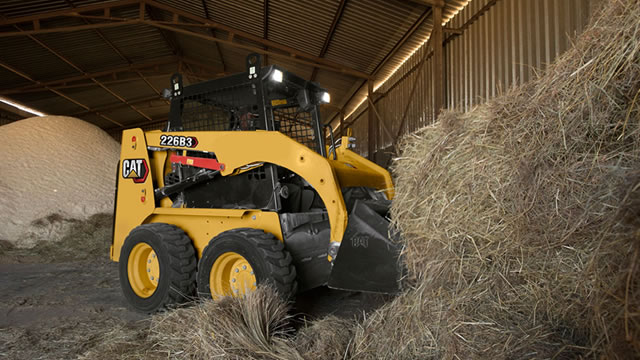
Caterpillar's Volume Momentum is Building: Can the Recovery Last?
CAT's broad Q3 volume rebound across all segments signals a sharp momentum shift after prolonged declines.

Like Dividends? 3 Dividend Aristocrats Worth a Look
Everybody loves dividends, essentially investors' form of payday. They can help limit drawdowns in other positions and provide a passive income stream, two key traits that all market participants enjoy.
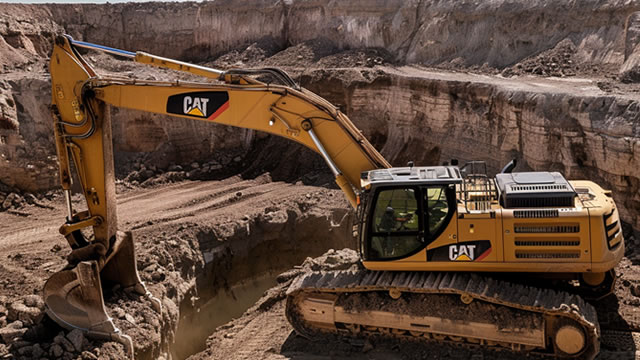
Zaman: Caterpillar is becoming an AI infrastructure supplier
Aadil Zaman, Partner at Wall Street Alliance Group, says a market pullback is inevitable, with leadership shifting from AI giants to AI enablers like Caterpillar as demand for data-center infrastructure surges.

Why Investors Need to Take Advantage of These 2 Industrial Products Stocks Now
Investors looking for ways to find stocks that are set to beat quarterly earnings estimates should check out the Zacks Earnings ESP.
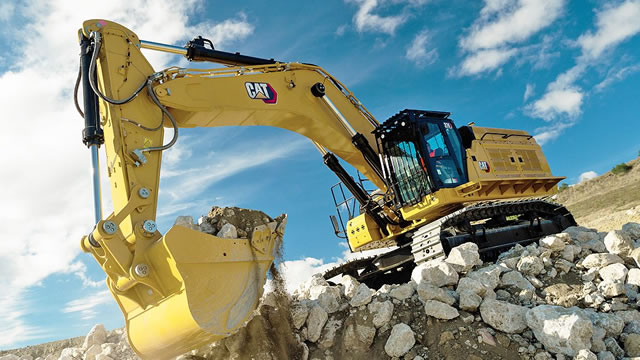
The Zacks Analyst Blog Caterpillar, Komatsu and Terex
Chicago, IL – November 10, 2025 – Zacks.com announces the list of stocks featured in the Analyst Blog. Every day the Zacks Equity Research analysts discuss the latest news and events impacting stocks and the financial markets.

Caterpillar Inc. (CAT) Analyst/Investor Day Transcript
Caterpillar Inc. ( CAT ) Analyst/Investor Day November 4, 2025 10:00 AM EST Company Participants Alex Kapper - Vice President of Investor Relations Joseph Creed - CEO & Director Jason Kaiser - Group President Anthony Fassino - Group President of Construction Industries Group Denise Johnson - Group President of Resource Industries Bob De Lange - Group President of Services, Distribution & Digital Andrew R. Bonfield - Chief Financial Officer Conference Call Participants Jamie Cook - Truist Securities, Inc., Research Division Angel Castillo Malpica - Morgan Stanley, Research Division Kyle Menges - Citigroup Inc., Research Division Jerry Revich Jairam Nathan - Daiwa Securities Co. Ltd.

Should You Buy, Sell or Hold Caterpillar Stock Post Q3 Earnings?
CAT posts record Q3 revenues and backlog on strong volumes, but tariff-driven costs weigh on margins and earnings.

Seeking Paydays? 3 Dividend Aristocrats Worth a Look
A combination of Coca-Cola (KO), Caterpillar (CAT), and McDonald's (MCD) shares would provide precisely the blend needed for a portfolio that pays out monthly.

Chart Master: One buy and one sell
Carter Worth, Worth Charting, talks what stocks he is looking to buy and what stock he is looking to sell between Roku and Caterpillar based on technical indicators.

Caterpillar Inc. (CAT) Is a Trending Stock: Facts to Know Before Betting on It
Caterpillar (CAT) has been one of the stocks most watched by Zacks.com users lately. So, it is worth exploring what lies ahead for the stock.




