



Costco Wholesale Corporation (COST)









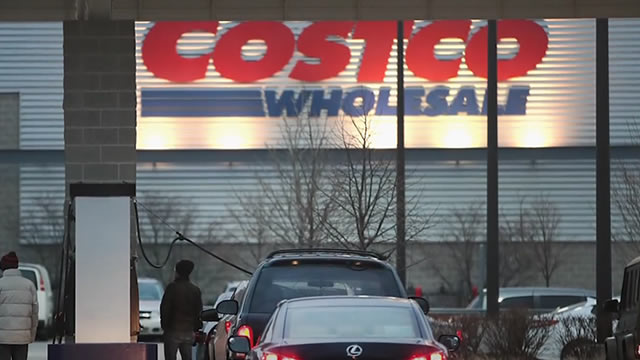
Costco is getting a traffic boost from opening early for executive members
Costco's decision to open stores early for executive members wasn't guaranteed to be a success. Foot traffic data indicates the move is looking like a big win for the wholesale club.

Costco's Earnings: Caught Between Momentum And Multiples
Food inflation dynamics are reshaping consumer behavior, creating potential tailwinds for Costco. Retail peers report stressed shoppers trading down — Costco may be positioned to capture this shift. Solid comps and membership growth remain in focus, but valuation questions loom ahead of earnings.
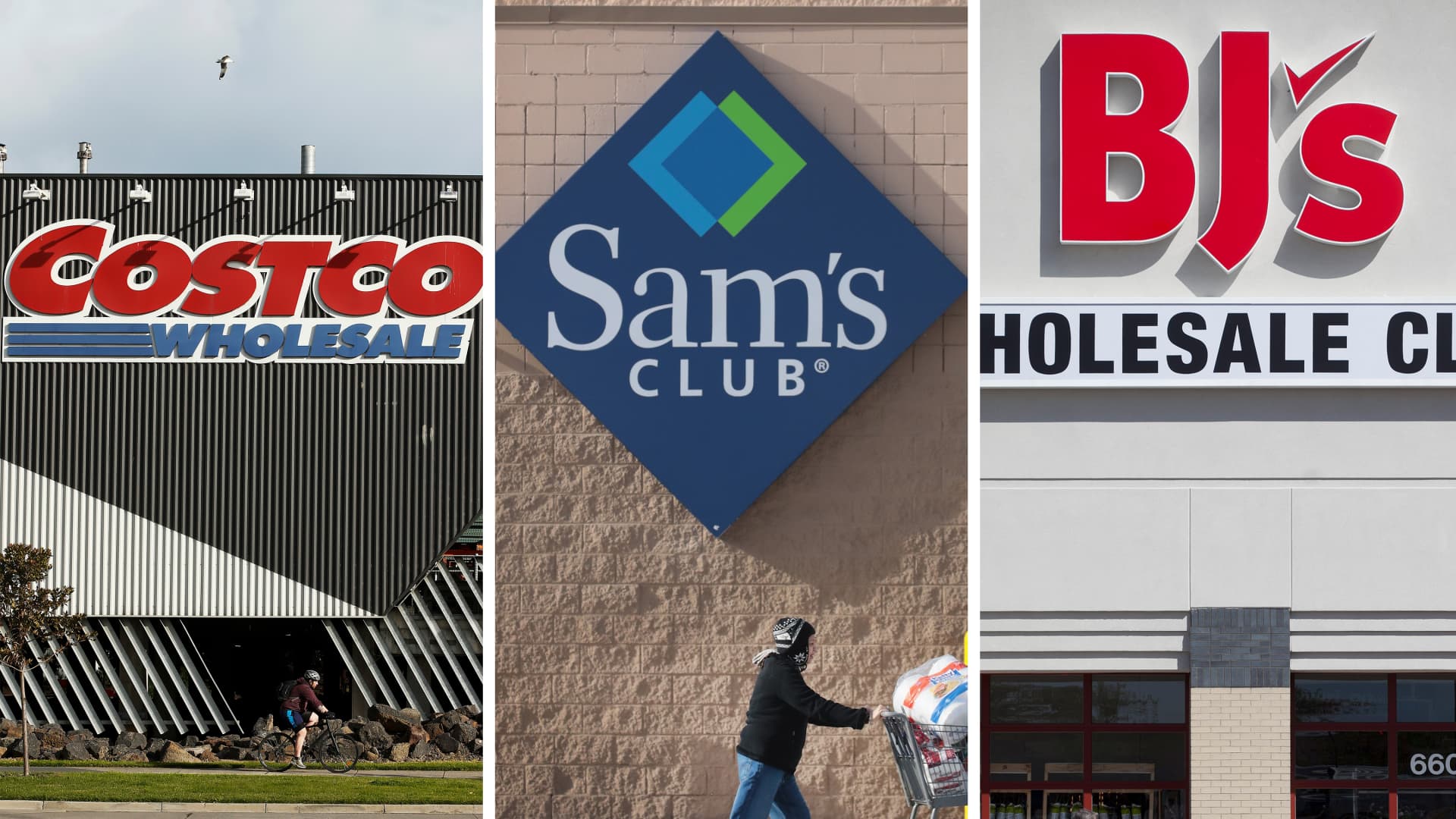
Club nation: Why Costco, Sam's Club and BJ's are opening new stores and gaining members
Club retailers have drawn in shoppers with faster online options, eye-catching merchandise and cheap meals along with low-priced and bulk items.
Costco (COST) Earnings Expected to Grow: Should You Buy?
Costco (COST) doesn't possess the right combination of the two key ingredients for a likely earnings beat in its upcoming report. Get prepared with the key expectations.
Buy, Hold or Sell Costco Stock? August Sales Signal Next Move
COST posts 6.3% August comp sales growth, fueling steady momentum but leaving investors weighing valuation against future upside.

Costco (COST) Stock Sinks As Market Gains: Here's Why
In the closing of the recent trading day, Costco (COST) stood at $956.29, denoting a -2.34% move from the preceding trading day.
Costco (NASDAQ: COST) Price Prediction and Forecast (September 2025)
Shares of Costco Wholesale Corporation ( NASDAQ: COST ) gained 1.30% over the past month after losing 3.87% the month prior.

Back-to-School Shopping Hits $40B: 3 Retail Stocks to Watch Now
It may not be the most wonderful time of the year for retailers, but the back-to-school shopping season comes in a close second. Back-to-school shopping isn't just about pencils, backpacks, electronics, and sneakers; it's a key retail event that signals consumer health heading into year-end.
Is Trending Stock Costco Wholesale Corporation (COST) a Buy Now?
Zacks.com users have recently been watching Costco (COST) quite a bit. Thus, it is worth knowing the facts that could determine the stock's prospects.

Costco and Ross: 2 Ways to Play the Consumer Divide
Retail stocks' earnings season has started, and one theme investors will hear repeatedly is the state of the consumer. The Federal Reserve's campaign to raise interest rates has widened the gap between low- and middle-income consumers and high-income consumers.
Has Costco Wholesale's Stock Peaked?
Since 2020, shares of Costco Wholesale (COST -2.55%) have risen by 230%. It has been one of the best retail stocks to own in recent years.
Costco (COST) Ascends While Market Falls: Some Facts to Note
In the most recent trading session, Costco (COST) closed at $994.57, indicating a +1.4% shift from the previous trading day.




