



CVS Health Corporation (CVS)











4 Attractive GARP Picks for Your Portfolio Based on PEG Ratio
Here are four discounted PEG stocks that qualify our screening criteria and could be good picks. These are FLEX, CVS, URBN and EXEL.

CVS Health's MBR Improves: Can It Sustain Amid Elevated Cost Trends?
CVS posts its first favorable MBR in quarters, but elevated cost trends test its ability to sustain the gains.
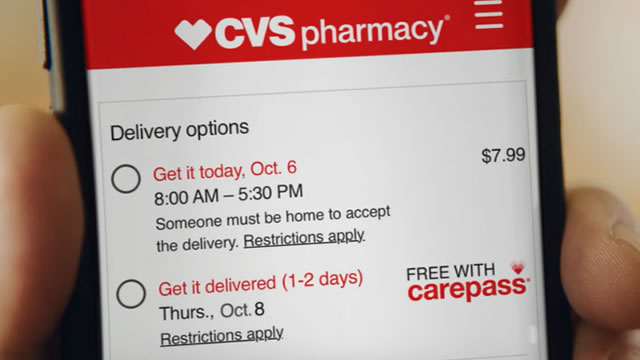
CVS Health Advances Digital Strategy: Is It the Next Revenue Pillar?
CVS unveils a $20B digital strategy to tackle healthcare gaps and reshape consumer health experiences.

Here is What to Know Beyond Why CVS Health Corporation (CVS) is a Trending Stock
CVS Health (CVS) has been one of the stocks most watched by Zacks.com users lately. So, it is worth exploring what lies ahead for the stock.
CVS Health to Invest $20 Billion to Build ‘Tech-Enabled Consumer Health Experience'
CVS Health reportedly plans to invest $20 billion over the next 10 years to build a “tech-enabled consumer health experience” that will encompass the company, its vertically integrated businesses, and other companies, including competitors, who want to join.

Buy 5 High Dividend-Paying Giants to Stay Safe Amid Volatile Markets
PM, CVS, ET, GSK and NWG, which offer high dividends and carry Zacks buy ranks, are strong picks for stability amid volatile market conditions of 2025.

Is Trending Stock CVS Health Corporation (CVS) a Buy Now?
Zacks.com users have recently been watching CVS Health (CVS) quite a bit. Thus, it is worth knowing the facts that could determine the stock's prospects.

2 Dividend Stocks That are Holding Their Own in 2025
Perhaps it's not all too surprising to witness the S&P 500 run into turbulence after two of the best years for stock gains in recent memory.
Here's Why CVS Health (CVS) Looks Ripe for Bottom Fishing
CVS Health (CVS) witnesses a hammer chart pattern, indicating support found by the stock after losing some value lately. This coupled with an upward trend in earnings estimate revisions could mean a trend reversal for the stock in the near term.

CVS Health: Big 2025 Momentum, Strong Growth Ahead, Shares Underpriced
CVS Health has shown impressive year-to-date performance, driven by strong Q1 results and strategic shifts in its business model. I reiterate a buy rating on CVS due to its low valuation, mixed technicals, and promising earnings growth prospects. Key catalysts include improved performance in Healthcare Benefits, higher star ratings in Medicare Advantage, and strategic exits from less profitable areas.

CVS Health: Firing On All Cylinders, Thanks To The Promising Reversal
CVS' turnaround may be here, given the seemingly stabilizing medical cost trends as similarly reported by its peers, with it triggering the moderating Medical Benefit Ratio. This is despite the stable enrollments and the higher utilization, thanks to its improved Medicare Advantage star ratings and the growth in its commercial-fee businesses. We are likely to see CVS' Health Care Benefits segment report sequential improvements after the exit from the Affordable Care Act [ACA] plans from 2026 onwards as well.

What Makes CVS Health (CVS) a New Buy Stock
CVS Health (CVS) might move higher on growing optimism about its earnings prospects, which is reflected by its upgrade to a Zacks Rank #2 (Buy).




