



Chevron Corporation (CVX)











Bank of America Tumbles 7% While Verizon, J&J, and Chevron Rally on Dividend Hikes
Blue-chip dividend stocks delivered mixed returns last week as investors weighed earnings reports, dividend announcements, and shifting interest rate expectations.
Chevron-led consortium signs contracts for gas exploration off Greece
A consortium led by U.S. oil major Chevron signed exclusive lease agreements on Monday to look for natural gas off southern Greece, expanding the United States' presence in the eastern Mediterranean.
Inside Chevron's flagship refinery tapping into Venezuelan crude after Maduro's capture
Chevron begins processing Venezuelan oil at Gulf Coast refinery following Maduro's capture, marking the company's first public acknowledgment of operations.

Chevron's Permian Scale Drives Cash Flow and Efficiency Edge
CVX hits 1M boe/d in Permian, leveraging AI, vast mineral rights and scale to cut costs, boost returns and strengthen free cash flow discipline.
Chevron's Tengiz oilfield back to 60% of usual output, two sources say
The giant Chevron-led Tengiz field in Kazakhstan has recovered to around 60% of peak production and aims to reach full output by February 23, two industry sources told Reuters on Monday.
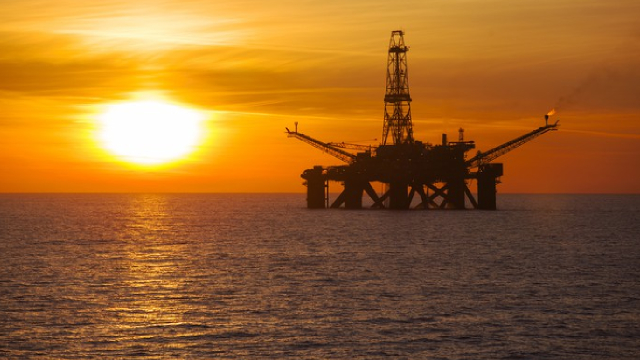
Two dividend stocks investors are buying in February
The mounting concerns over the possible artificial intelligence (AI) bubble have led the traditionally popular technology stocks to suffer significant losses in 2026, all the while making more fixed-income investments more attractive.
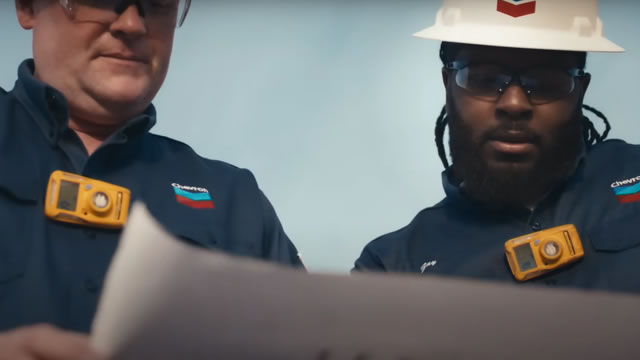
Chevron: Why More Upside Looms In 2026
Chevron beat Q4'25 revenue and earnings estimates despite significant pricing headwinds in its upstream business. CVX partially offset falling price realizations with 12% Y/Y production growth, notably from Permian Basin and other high-potential asset acquisitions. Despite a double-digit decline in prices, Chevron generated $2.1B in Q4 free cash flow and remains highly cash generative.
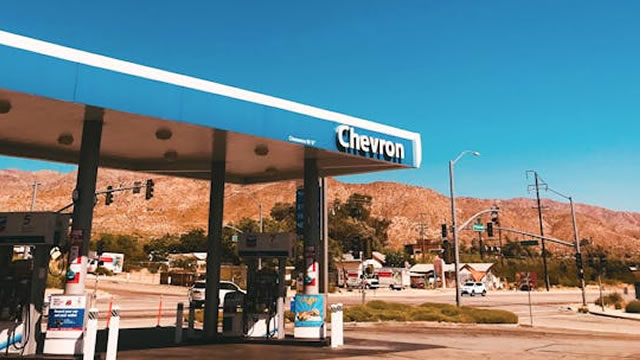
Investors Heavily Search Chevron Corporation (CVX): Here is What You Need to Know
Chevron (CVX) has been one of the stocks most watched by Zacks.com users lately. So, it is worth exploring what lies ahead for the stock.
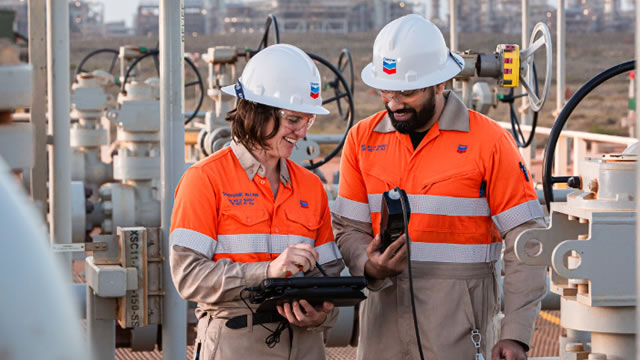
Chevron at a 52-Week High: Should Investors Lock in Gains Now?
CVX's strong rally has pushed shares to a 52-week high, but rising valuation and weakening earnings outlook raise questions about whether the upside is already priced in.
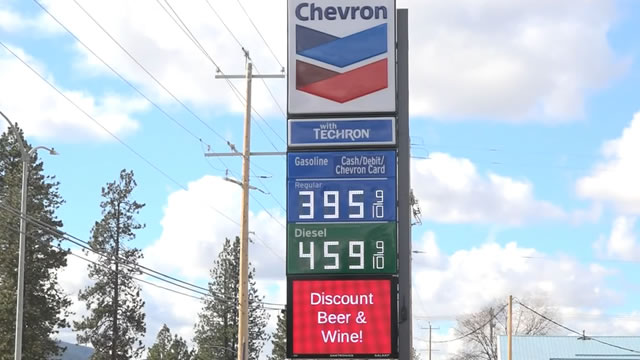
Chevron commits to Yoyo-Yolanda gas project straddling Cameroon, Equatorial Guinea
U.S oil major Chevron has renewed its commitment to the development of the Yoyo-Yolanda gas project that straddles the maritime border between Equatorial Guinea and Cameroon, the company said in a statement.
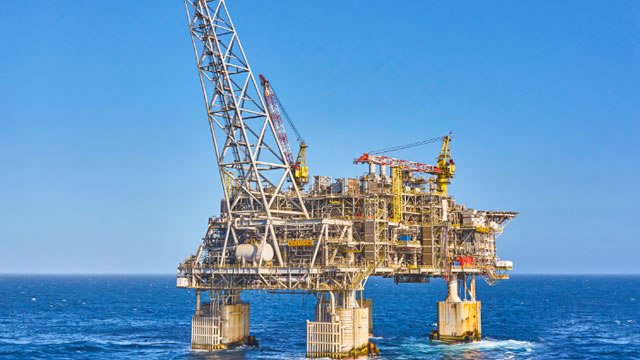
Chevron: Robust Fundamentals, Growth Drivers, And Valuation Justify Recent Bullish Breakout
Chevron Corporation (CVX) remains fundamentally robust, delivering over 30% returns since initial coverage and maintaining attractive valuation despite oil market volatility. CVX's resilience is supported by operational efficiencies, a strong balance sheet, and the Hess acquisition, which boosts upstream production in Guyana and enhances cost control. Valuation remains compelling: DDM-derived target price is $200.73, P/E-based fair value up to $272.32, and a 4.02% dividend yield signals continued upside.
Chevron CEO details strategy to shield consumers from soaring AI power costs
Chevron CEO details strategy to power AI data centers with natural gas without raising consumer costs. Company plans off-grid energy parks in Texas.




