



Deere & Company (DE)










Deere (DE) Dips More Than Broader Market: What You Should Know
In the closing of the recent trading day, Deere (DE) stood at $580.54, denoting a -1.88% move from the preceding trading day.
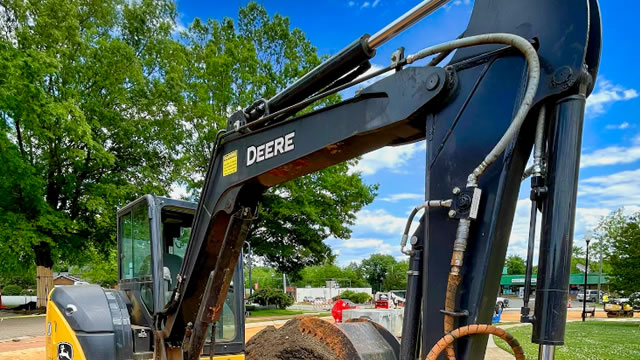
Deere: Q2 Earnings Beat Could Be On The Way With Industry Tailwinds
Deere is positioned for a strong fiscal Q2 earnings beat, driven by easy compares and street underestimating leverage. Despite global agricultural market pressures, signs of bottoming and inventory flushes suggest a supportive fiscal 2027 backdrop for DE. Guidance implies 3.3% topline growth, but I model 6% for Q2 and $6.91 EPS versus the street at $5.71, with potential for positive revisions.

Deere (DE) Stock Slides as Market Rises: Facts to Know Before You Trade
Deere (DE) closed at $579.68 in the latest trading session, marking a -1.73% move from the prior day.
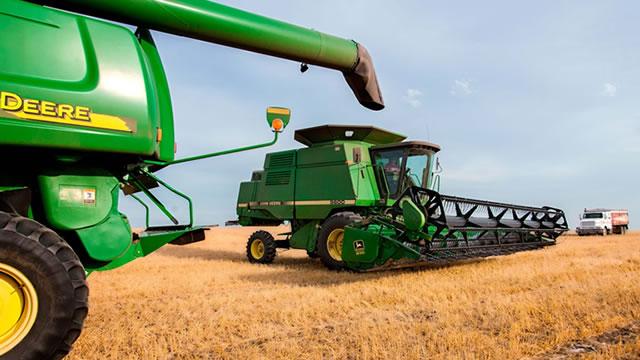
Deere & Company (DE) Is a Trending Stock: Facts to Know Before Betting on It
Deere (DE) has received quite a bit of attention from Zacks.com users lately. Therefore, it is wise to be aware of the facts that can impact the stock's prospects.
3 Agriculture Stocks to Buy as Food Inflation Stays Elevated in 2026
In theory, inflation should self-correct. That is when the price of goods and services get too high; sales drop off to a point where the supply-demand cycle gets back in balance.

Deere Settled for $99 Million Over Repair Costs. Farmers Are Still Worried.
Farmers are waging a legal battle against what they say is Deere's tight grip over repairs and the escalating costs of fixing complex equipment.

Deere (DE) Stock Falls Amid Market Uptick: What Investors Need to Know
The latest trading day saw Deere (DE) settling at $576.64, representing a -3.25% change from its previous close.
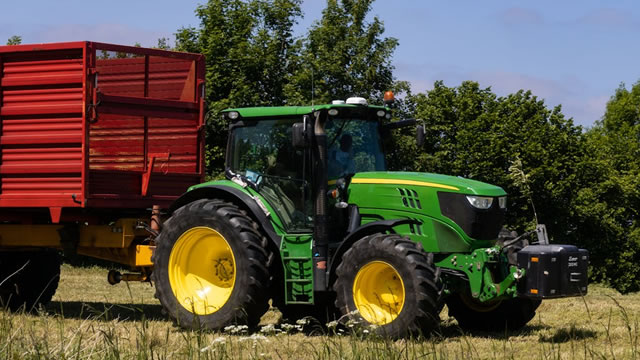
Investors Heavily Search Deere & Company (DE): Here is What You Need to Know
Recently, Zacks.com users have been paying close attention to Deere (DE). This makes it worthwhile to examine what the stock has in store.
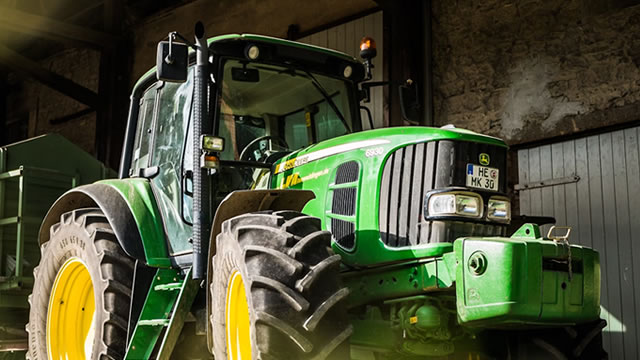
Deere (DE) Exceeds Market Returns: Some Facts to Consider
The latest trading day saw Deere (DE) settling at $617.88, representing a +1.4% change from its previous close.

Deere & Co. settles right-to-repair lawsuit for $99 million
Deere & Co. has agreed to pay $99 million as part of a settlement that would resolve a class action lawsuit accusing the farm equipment giant of monopolizing repair services.

DE Removes Legal Overhang by Settling 'Right to Repair' Litigation
Deere settles 'right to repair' litigation with no wrongdoing found, creating a class fund while reinforcing its push for customer-focused repair solutions.
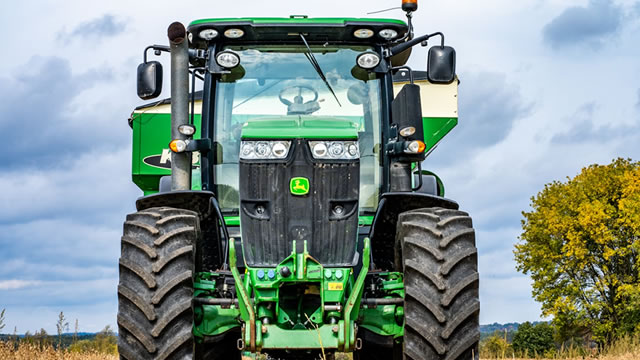
Deere Is Finally Receiving Winds Of Change
Deere & Company is a high-quality, cyclical leader in agricultural equipment, currently trading at a superficially expensive 31x forward P/E. I expect DE's P/E ratio to contract rapidly as cyclical earnings rebound, with catalysts including potential energy and food price shocks and a North American economic recovery. Management forecasts a bottoming in 2026, with PPA revenues contracting but SAT and CF segments growing 15% and margin expansion anticipated.




