



D.R. Horton, Inc. (DHI)







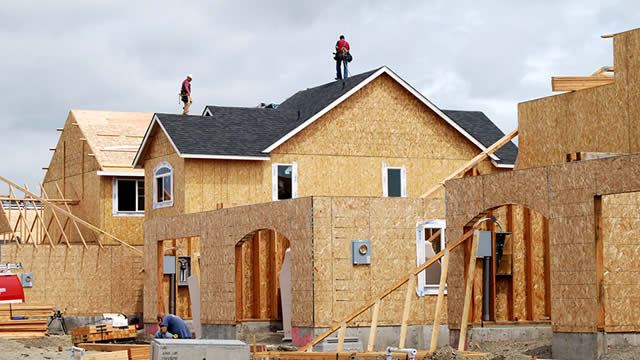
2 Magnificent Dividend Stocks Down 27% and 47% to Buy and Hold Forever
Multiple headwinds in the homebuilding market have caused the stocks of D.R. Horton and Lennar to fall.

Trump Signs Housing Orders. Home Builder Stocks Shrug.
President Donald Trump issued two executive orders aimed at easing housing construction and expanding mortgage credit access, but home builder stocks showed little reaction.
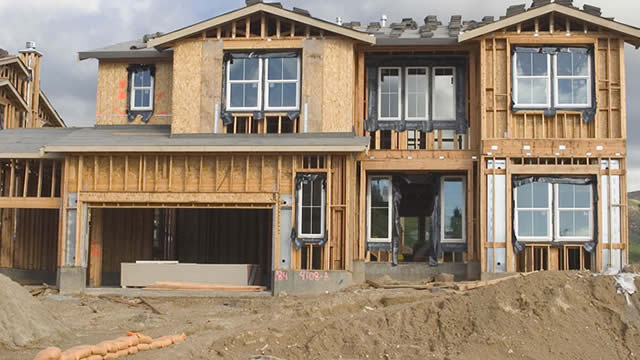
Why D.R. Horton (DHI) Dipped More Than Broader Market Today
The latest trading day saw D.R. Horton (DHI) settling at $145.28, representing a -1.63% change from its previous close.
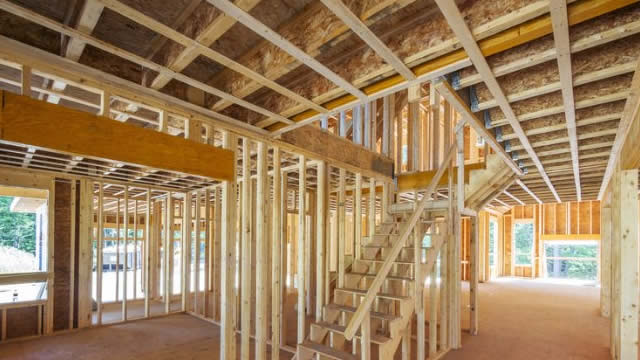
Interest Rates Are Heading Down — These 3 Stocks Win Big When They Do
It's certainly one of the more interesting times to be an investor right now.
D.R. Horton (DHI) Suffers a Larger Drop Than the General Market: Key Insights
In the closing of the recent trading day, D.R. Horton (DHI) stood at $152.61, denoting a -1.16% move from the preceding trading day.
D.R. Horton: Where Affordability And Profitability Converge
I first made D.R. Horton (DHI) a Long Idea in April 2020 and since my original report, the stock is up 228% while the S&P 500 is up 142%.
D.R. Horton (DHI) Stock Slides as Market Rises: Facts to Know Before You Trade
The latest trading day saw D.R. Horton (DHI) settling at $157.46, representing a -3.96% change from its previous close.

D.R. Horton: Diversified And Resilient Real Estate Prospects - Wait For A Dip
D.R. Horton: Diversified And Resilient Real Estate Prospects - Wait For A Dip
D.R. Horton (DHI) Up 5.8% Since Last Earnings Report: Can It Continue?
D.R. Horton (DHI) reported earnings 30 days ago. What's next for the stock?

Why "Golden Handcuffs" are a Gift to Homebuilders in 2026
As high mortgage rates keep existing homes off the market, a perfect storm of restricted supply and federal incentives is positioning homebuilders for an unlikely breakout year in 2026.
D.R. Horton (DHI) Q1 Earnings: Taking a Look at Key Metrics Versus Estimates
While the top- and bottom-line numbers for D.R. Horton (DHI) give a sense of how the business performed in the quarter ended December 2025, it could be worth looking at how some of its key metrics compare to Wall Street estimates and year-ago values.
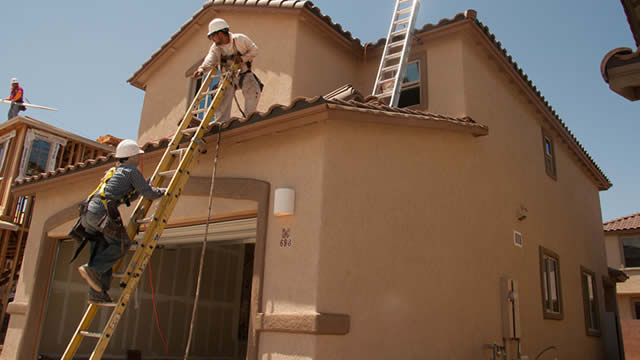
D.R. Horton Stock Tests Support Following Earnings Report
Shares of homebuilder D.R. Horton Inc. NYSE: DHI are down about 1% in mid-day trading after the company reported its earnings for the first quarter of its 2026 fiscal year.




