



D.R. Horton, Inc. (DHI)








D.R. Horton, Inc. (DHI) Q1 2026 Earnings Call Transcript
D.R. Horton, Inc. (DHI) Q1 2026 Earnings Call Transcript
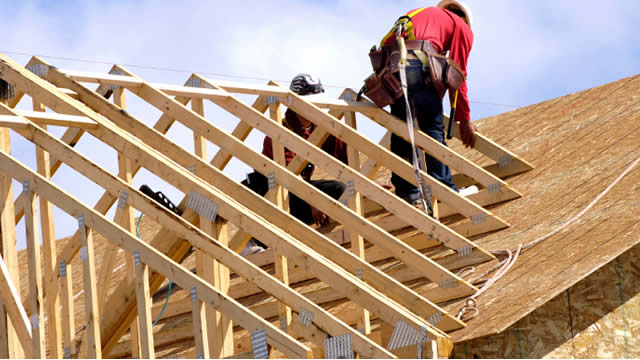
D.R. Horton: Affordability Concerns Likely To Persist (Rating Downgrade)
D.R. Horton, Inc. faces ongoing affordability headwinds, with shares already pricing in a housing market recovery that may not materialize soon. Q1 results showed margin contraction and declining revenue, as elevated incentives and soft Sun Belt markets weighed on performance despite a modest orders uptick. DHI's exposure to first-time buyers and Sun Belt regions increases vulnerability to continued softness, even as supply constraints lessen downside risk.

Q4 Earnings, Davos Tension Inform Late Start to Trading Week
The wealthy and powerful men and women of Davos this week brace for President Trump's appearance tomorrow at the 2026 World Economic Forum.
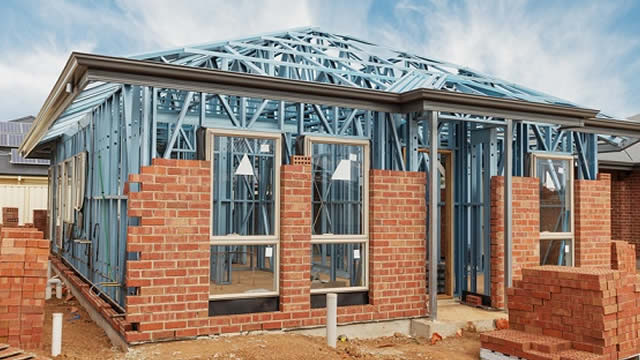
D.R. Horton's Q1 Earnings & Revenues Beat, Net Sales Orders Up Y/Y
DHI beats first-quarter fiscal 2026 estimates, but falling margins and affordability pressures keep the housing outlook cautious.
Outlook for a Busy Week on MLK Day
An eventful week gets underway Tuesday morning with Q4 earnings reports, and peaks Thursday with the latest PCE numbers.

D.R. Horton's Q1 Earnings Preview: What Investors Must Know Now?
DHI braces for a 25% EPS drop in Q1 as affordability pressures and lower volumes weigh on results.

Analysts Estimate D.R. Horton (DHI) to Report a Decline in Earnings: What to Look Out for
D.R. Horton (DHI) doesn't possess the right combination of the two key ingredients for a likely earnings beat in its upcoming report. Get prepared with the key expectations.
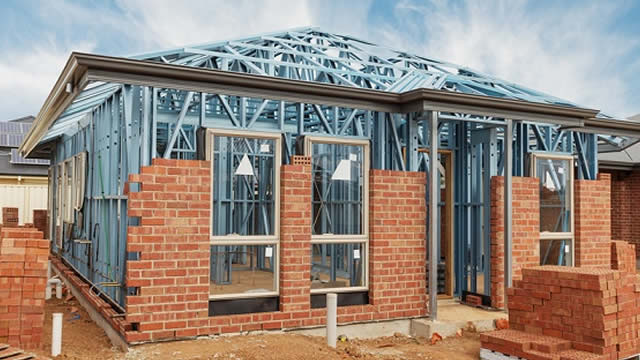
D.R. Horton (DHI) Laps the Stock Market: Here's Why
In the latest trading session, D.R. Horton (DHI) closed at $146.63, marking a +1.5% move from the previous day.
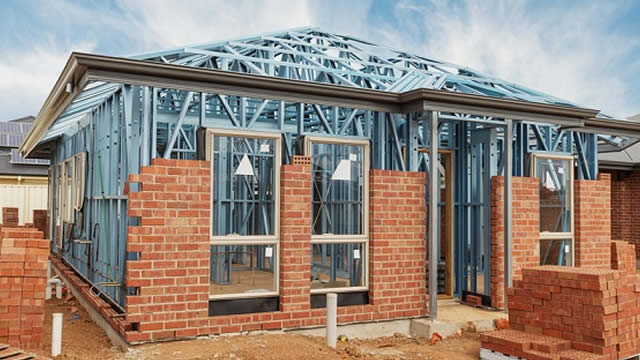
D.R. Horton: Strong Fed Upside Potential From 2026 Onwards (Upgrade)
D.R. Horton's vertically integrated model, aggressive sales incentives, and improved consumer affordability underpin the upgraded Buy rating, despite macro headwinds. Recent Fed rate cuts, higher net sales orders, and robust operational scale position DHI for continued profitable operations into FY2026. While profit margins have normalized nearer to pre-COVID levels, the company's valuation and consensus forward estimates offer an attractive risk/reward profile.

D.R. Horton (DHI) Suffers a Larger Drop Than the General Market: Key Insights
In the closing of the recent trading day, D.R. Horton (DHI) stood at $152, denoting a -2.01% move from the preceding trading day.
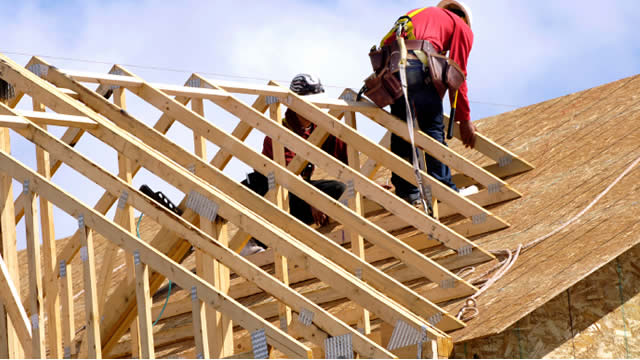
Home Builder Stocks Rise. It's a Sigh of Relief After Fed Cut Rates.
The 10-year Treasury yield, which informs the direction of mortgage rates, was heading lower after the Fed's rate cut.
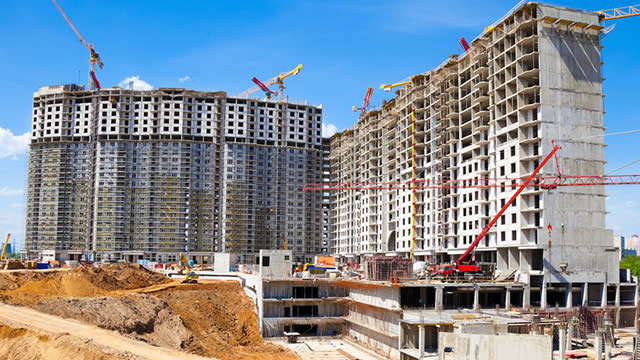
Markets Mostly Lower on Inflation Uncertainty
Bond yields tacked higher on the day to +4.17% on the 10-year, nearly 20 basis points higher than we saw just a couple short weeks ago.




