



Ford Motor Company (F)









Ford and Renault team up on cheaper EVs in a ‘fight for our lives'
Ford CEO Jim Farley acknowledged the automaker is in “a fight for our lives in our industry” as it seeks to remain competitive in Europe amid pressure from Chinese competitors. One of its weapons to stave off those threats is a partnership with French automaker Renault Group.
Ford, GM Race Ahead of the Market
Ford Motor Co. (NYSE: F) stock is up 33% this year, and General Motors Co.
Ford to use Renault technology, plants for cheaper European EVs to fend off Chinese rivals
Renault will jointly develop small, cheaper electric vehicles for Ford for the European market and will also team up to produce commercial vans to cut costs and fend off rising competition from Chinese rivals, the companies said on Tuesday.
Ford and Renault Team Up in Europe to Compete Against Low-Price Chinese Cars
The French carmaker will build two entry-level electric vehicles, part of a relaunch of Ford's embattled European business.
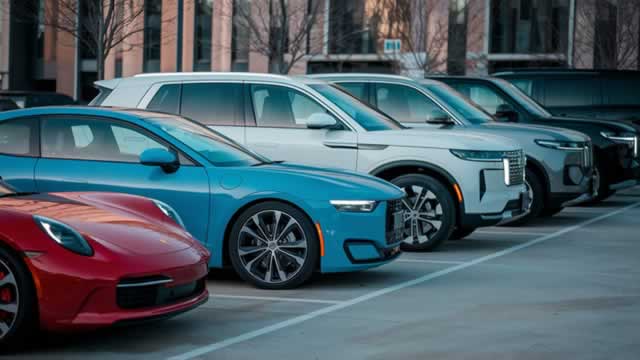
Trump fuel economy rollback may make cars cheaper, but higher gas bills will absorb savings
The Trump administration's proposal to roll back Biden-era vehicle fuel efficiency standards may save automakers in the U.S. tens of billions of dollars and potentially lower upfront purchase costs for American car buyers.
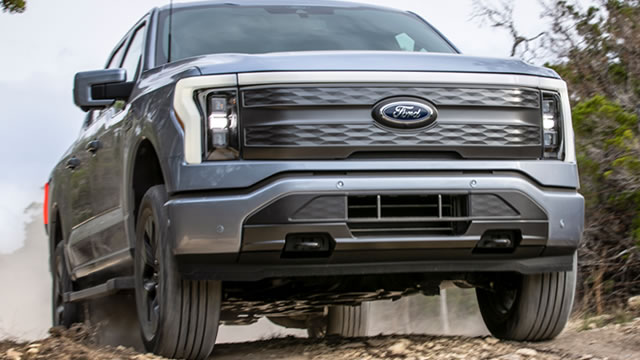
What's Behind Ford's Recall of Nearly 109K Escape Vehicles?
F recalls nearly 109K Escape vehicles after issues with liftgate hinge covers resurface, prompting inspections and fixes across multiple model years.
The Shocking High-Yield S&P 500 Stock That Is Beating the Index 2-to-1
The S&P 500 is trading near its all-time high, propelled by relentless gains from the artificial intelligence (AI) boom.
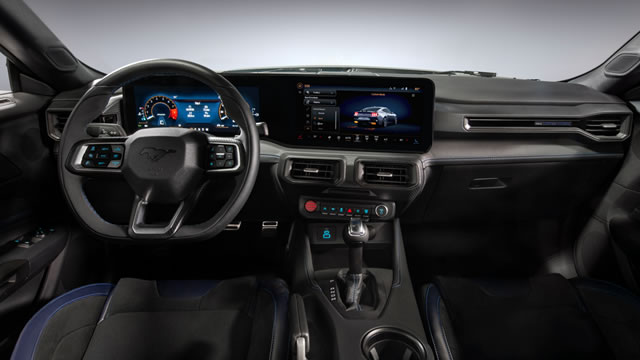
Ford recalls 100K vehicles over faulty part that could detach while driving
The recall includes certain 2020-2022 Escape and 2025 Escape vehicles, according to the National Highway Traffic Safety Administration.
Ford recalls nearly 109,000 vehicles, NHTSA says
Ford has recalled 108,762 vehicles in the U.S. over issues with an improperly secured liftgate hinge cover that could detach from the vehicles, the National Highway Traffic Safety Administration (NHTSA) said on Friday.

Ford CEO hails Trump fuel standards reset as a 'victory' for affordability and common sense
New fuel economy standards under Trump will help automakers build what Americans want: affordable vehicles instead of expensive electric cars for consumers.
What's Behind Ford's EV Sales Plunge of 60% in November?
F's EV sales plunge more than 60% in November after a key tax credit expired, even as hybrids rise and the company pivots to smaller future models.
Ford Electric-Vehicle Sales Sink After Key Tax Credit Ends
The Dearborn, Mich., carmaker's electric vehicle sales continued to sink in November, as the company weighs scrapping the electric version of its F-150 truck following the expiration of a federal tax credit for electric vehicles.




