



Ford Motor Company (F)










Ford Motor Company (F) Is a Trending Stock: Facts to Know Before Betting on It
Ford Motor (F) has received quite a bit of attention from Zacks.com users lately. Therefore, it is wise to be aware of the facts that can impact the stock's prospects.

Will Ford Pro's Market Share Gains in the US and Europe Continue?
Ford Pro drives Ford's growth with rising U.S. and Europe market share, strong service expansion, and resilient high-margin revenues.

Ford's Dividend at Risk, According to Experts
Does Ford Motor Co. (NYSE: F) have enough cash now and going forward to pay its rich dividend?

Ford Recalls Could Reach 200 This Year
Ford Motor Co. (NYSE: F) has had 104 different recalls this year.
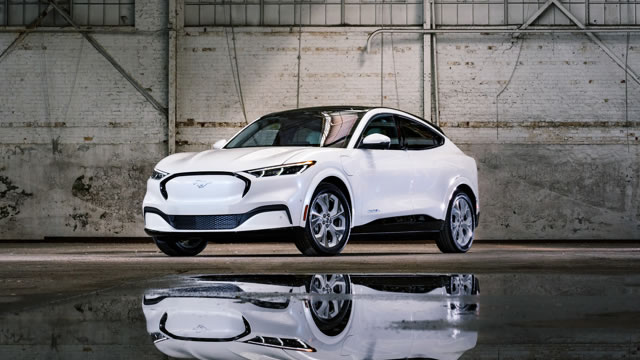
EVs put Ford and other automakers at a crossroads: Who will innovate the assembly line of the future?
There's a race to build more vehicles more efficiently, with Ford, Tesla and others trying to revamp the way cars are made

Ford's Dividend Looks Hard to Maintain, Even With Bespoke Accounting
The automaker's payouts seem ambitious, notwithstanding a heavy adjustment of cash-flow metrics.
Ford Needs to Close Its EV Business
Ford Motor Co. (NYSE: F) is among the world's kings of gasoline-powered cars and light vehicles.

Ford's (F) Model T Is A Bluff
[00:00:04] Doug McIntyre: Yesterday, Ford down in Louisville where they've got a plant.
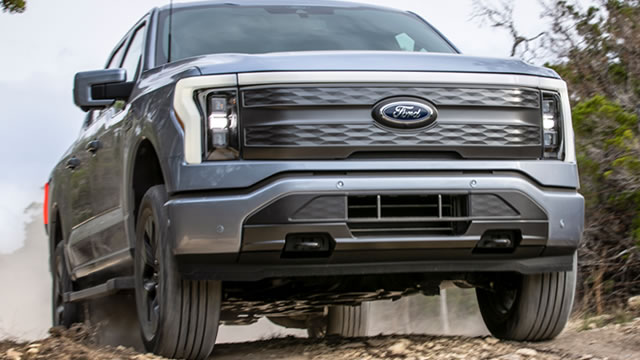
America's Worst $10 Stock
Ford Motor Co. (NYSE: F) stock has traded in a range of $8.44 to $11.97 in the past 52 weeks.
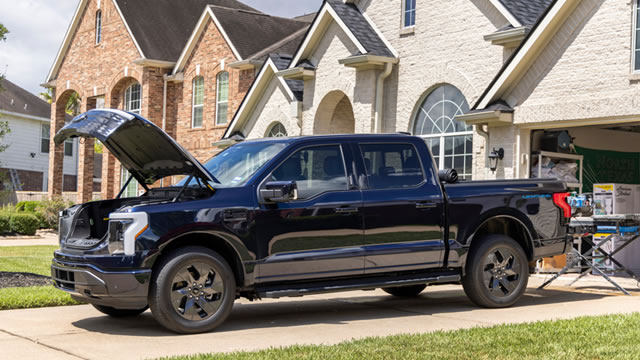
Ford (NYSE: F) Price Prediction and Forecast 2025-2030 (August 2025)
Shares of Ford Motor Company ( NYSE: F ) lost 3.70% over the past month after gaining 8.25% the month prior, pausing a rally that's seen the legacy automaker's stock gain 31.65% since April 8.

Ford: Record Revenues, Strong Balance Sheet, And An Undervalued Stock
Ford's strong Q2 2025 performance, driven by trucks, SUVs, and Ford Pro, outpaced industry growth and expanded market share despite a tough macro environment. Upcoming Fed rate cuts could unlock pent-up vehicle demand, and Ford is well-positioned to capitalize due to its affordable and popular product lineup. Robust cash reserves and undervalued stock metrics provide a margin of safety, while continued investment in EVs and cost efficiencies support future growth.

The Real Reason Ford Stock Is Rallying—Can It Keep Going?
The automotive sector has been subject to extra volatility recently, not only due to changing consumer spending and preferences but also from the macro backdrop involving tariffs and other developments in the sourcing of parts and imports. That being said, this is now the best time to find those companies that are actively (and successfully) adjusting.




