







Meta: Ignore The FCF Noise And Buy The Dip
Meta Platforms, Inc. delivered a strong Q3, with 26%+ Y/Y revenue growth and robust earnings. META's launch of Muse AI signals a strategic pivot toward agentic AI, workflow optimization, which could help the company diversify its business going forward. High capital spending caused Meta's free cash flow to dip into negative territory in Q3. However, Meta is set to return to positive FCF long-term.

AngloGold Ashanti: A Free Cash Flow Dividend At 12x Earnings
AU is rated BUY. The stock trades at 12.3x trailing earnings with a 5% trailing yield and holds $991 million of net cash. AU targets a 50% payout of annual FCF. The last four dividends total $4.52 a share, and the TTM FCF yield is 8.4%. AU's Q2 2026 AISC rose to $2,039 an ounce. Management kept full-year guidance and expects higher H2 output and lower unit costs.

Meta FCF Flips Negative: Why Investors Should Overlook It
While negative free cash flow often signals trouble, Meta's temporary dip is a deliberate reinvestment into its high-growth future.

AT&T: Strong Internet Growth, High FCF, 5% Yield
AT&T (T) delivered strong Q3 results, beating top and bottom line expectations as Advanced Connectivity segment momentum drove 7.3% Y/Y EBITDA growth. I maintain a 'Strong Buy' rating on AT&T, citing $5.0 billion in free cash flow, a well-supported dividend, and compressed 8.5x forward P/E valuation. Broadband remains the primary growth engine, with AT&T achieving 769,000 in internet net adds in the third-quarter, driving revenue and EBITDA growth.
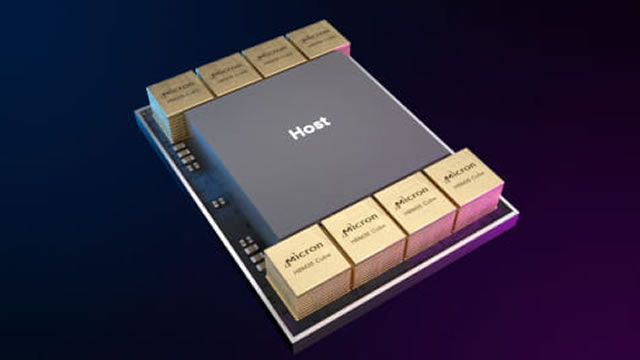
Micron: The Story Is Now Worth It (Rating Upgrade)
Micron exceeded expectations with Q4 revenue of $54.23B, 87% gross margin, and $33.2B adj. FCF, driving strong fiscal-year results. Guidance for Q1 is robust at $61.5B revenue and $38.15 EPS, with management calling it the low point for the year and strong backlog visibility. MU announced a $35.16B share buyback, supported by $73.48B in cash and investments, and now trades at an attractive 11.98x P/E and 5.8% FCF yield.

First Commonwealth Financial (FCF) Reports Next Week: Wall Street Expects Earnings Growth
First Commonwealth Financial (FCF) doesn't possess the right combination of the two key ingredients for a likely earnings beat in its upcoming report. Get prepared with the key expectations.

Sirius XM: This Living Dead Is Ready To Rise
Sirius XM trades near 'dead corpse' valuation, with spectrum alone worth about $20B -more than its entire enterprise value. SIRI's stable FCF (~$1.5B/year), low churn, and recently modernized satellite fleet provide robust downside protection and support continued dividends. The company's low valuation enables aggressive buybacks; allocating two-thirds of FCF could shrink equity by 11% annually while maintaining a 4% dividend.
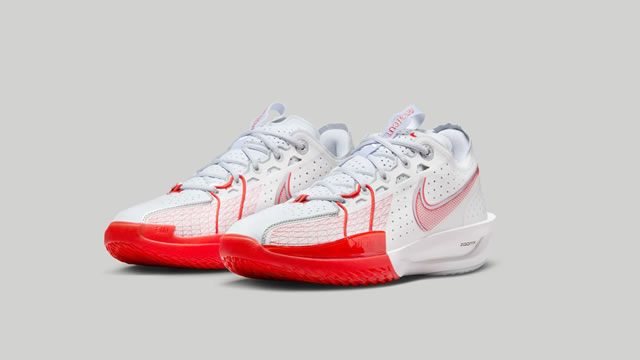
Nike Taught Me A Dividend Lesson And A China Lesson (Rating Downgrade)
Nike is downgraded to hold due to mounting concerns over dividend sustainability and deteriorating fundamentals. NKE's dividend yield has surged to 4.8% from share price declines, but payout ratios now exceed 100% of forward EPS guidance. Free cash flow coverage is insufficient too, with recent quarters showing negative FCF and trailing 12-month FCF below dividend requirements.
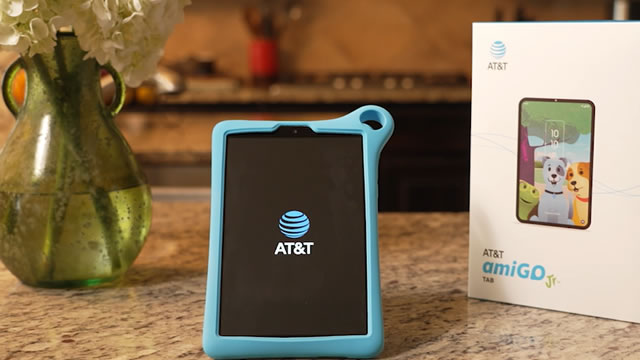
AT&T: Sub Growth Is Real, Despite Industry Threats, 10% FCF Yield
AT&T remains a 'Buy' for risk-conscious, income-focused investors, offering a high dividend yield and solid free cash flow. T's valuation is fair, with shares trading near 10x normalized EPS and limited fundamental upside, but supported by reliable income. Recent results highlight robust growth in Advanced Connectivity, fiber, and wireless, with positive EPS revision trends and a $10 billion buyback objective.

Magnolia Oil & Gas: Over $1 Billion In Projected 2027 FCF
Magnolia is projected to generate a bit over $1 billion in 2027 FCF at current strip. This would reduce its leverage to 0.6x by the end of 2027. The WildFire acquisition is expected to help Magnolia more than double its oil production from 2025 to 2027.
Does Verizon's 6.2% Dividend Yield Have A Starlink Risk?
Verizon demonstrates robust fundamentals, with strong FCF, rising net additions, and strategic fiber deals supporting a resilient investment case. VZ raised its 2026 FCF growth guidance to 9–10%, demonstrating strong momentum and disciplined capital allocation. VZ offers a 6% QDI yield, backed by a 20-year payout growth streak, and an investment-grade balance sheet.

Riley Exploration Permian: Significant FCF Generation Expected In H2 2026
Riley increased its 2026 capex budget by $26 million and its oil production guidance by 2%. It also plans to add around 10 net DUCs by the end of the year. Riley's 2H 2026 free cash flow is projected at over $100 million before working capital changes and dividends.




