



Fidelity MSCI Information Technology Index ETF (FTEC)





FTEC: Dominated By The AI Trade
Fidelity MSCI Information Technology Index ETF (FTEC) offers concentrated exposure to the AI data center build and broader US tech sector. FTEC's top holdings (Nvidia, Apple, and Microsoft) comprise 45% of assets; AI-related companies dominate, with 47% directly tied to the AI buildout. Despite a high absolute PE (29x for YE27), FTEC's PEG is under 1x, reflecting high EPS growth driven by semiconductors.

FTEC: Big Tech Will Likely Get Bigger In 2027
Fidelity MSCI Information Technology ETF offers passive cap-weighted exposure to almost 300 U.S. tech stocks, maintaining strong appeal despite a potential rotation to value. FTEC boasts a projected 28.84% next-year EPS growth rate and a 31.98x TTM P/E that's below its five-year average. Tech P/E's may compress by 25% in a downturn, but this would need to be accompanied by a substantial EPS forecast miss to have a serious impact on investors.

Should You Invest in the Fidelity MSCI Information Technology Index ETF (FTEC)?
Looking for broad exposure to the Technology - Broad segment of the equity market? You should consider the Fidelity MSCI Information Technology Index ETF (FTEC), a passively managed exchange traded fund launched on October 21, 2013.
AI Theme Still Running Hot as Nvidia Beats Q2 Earnings Estimates
Heading into Q2 fiscal 2027 earnings, the capital markets wondered if the vaunted chipmaking giant Nvidia still has its mojo. Despite rallying to atmospheric levels over the past three years, this massive upside is already baked into its stock price.

FTEC: Fidelity's IT ETF Is A Fantastic Long-Term Core Tech Holding
Fidelity MSCI Information Technology ETF has delivered exceptional long-term outperformance versus major benchmarks and a 10-year average annual return of 23%+. FTEC's total returns over the past decade are nearly 2.5x the S&P 500, more than 3x the DJIA, and over 2x the Nasdaq-100 QQQ. If you want to outperform the broad stock market, you should consider adding the FTEC ETF as a compelling core, long-term holding in your portfolio.
FTEC vs. VGT: Same Tech Bet, So Which Fund Costs You Less?
If you're deciding between Fidelity MSCI Information Technology Index ETF (NYSEARCA:FTEC) and Vanguard Information Technology Index Fund ETF (NYSEARCA:VGT), the choice looks like a coin flip.

FTEC: You Don't Need Stock Picking In Tech, Just This ETF
The Fidelity MSCI Information Technology Index ETF offers broad, low-cost passive exposure to the U.S. tech sector and is rated a BUY. FTEC stands out for its low 0.08% expense ratio, tight benchmark tracking, and strong historical outperformance versus the S&P 500. The ETF is highly concentrated in mega-cap tech, with the top 3 holdings — Nvidia, Apple, Microsoft — comprising 41.86% of assets, presenting concentration risk.

FTEC And The Illusion Of Expected Valuations You Need To Know
The Fidelity MSCI Information Technology Index ETF remains a representative, low-cost, diversified tech sector solution, but current valuations warrant caution. FTEC's performance and risk profile are heavily concentrated in a few mega-cap names, notably NVDA (17.32%) and AAPL (14.80%), driving sector returns. Aggregate forward P/E appears reasonable, but excluding top contributors, underlying valuations are stretched and sector growth is less robust.

Should You Invest in the Fidelity MSCI Information Technology Index ETF (FTEC)?
Launched on October 21, 2013, the Fidelity MSCI Information Technology Index ETF (FTEC) is a passively managed exchange traded fund designed to provide a broad exposure to the Technology - Broad segment of the equity market.

3 Tech ETFs for 2026: FTEC, IGV, and XNTK Tell Very Different Stories
Three tech ETFs. Three very different portfolios.
FTEC: Don't Give Up On American Technology - Especially Not On NVIDIA
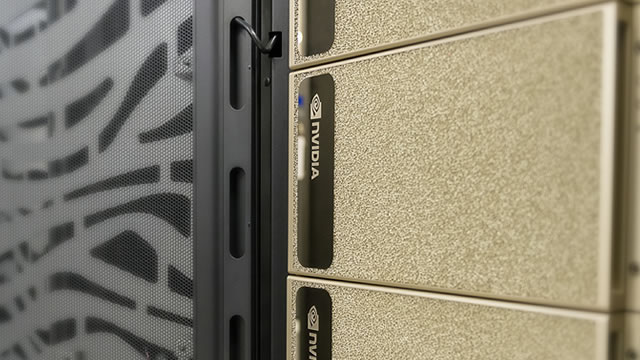
Fidelity MSCI Information Technology ETF (FTEC) has a 10-year average annual return of 22%+ and should be considered as long-term core technology holding. FTEC benefits from AI tailwinds, a weaker U.S. dollar, and strong capex by hyperscalers, with #1 holding NVDA (18%), Apple, Broadcom, and Micron Technology driving growth. That said, the ETF is top-heavy, with 58% in the top-10 holdings, notably 18% in NVDA and 14.3% in AAPL, aligning with sector leadership.

Should You Invest in the Fidelity MSCI Information Technology Index ETF (FTEC)?
If you're interested in broad exposure to the Technology - Broad segment of the equity market, look no further than the Fidelity MSCI Information Technology Index ETF (FTEC), a passively managed exchange traded fund launched on October 21, 2013.




