



Hudbay Minerals Inc. (HBM)






SK Hynix Delays HBM4 Equipment Orders as Its Stock Falls 5 Days Straight
Seven straight losses in New York and six in Seoul have hammered SK hynix shares, and an overnight report about delayed HBM4 equipment orders raises a question the company has not yet answered: is this a strategic pivot or a
Micron's HBM4 Ramp-Up: Can Higher Pricing Lift Margins Further?
MU's HBM4 ramp-up and higher 2027 contract prices are likely to fuel further margin gains as AI demand grows, though production costs and yields remain critical.
Micron: The HBM Pricing Reset Makes Me A Buyer (Rating Upgrade)
Micron (MU) is upgraded from Hold to Buy with a fair value of $1,240, citing improved HBM pricing and a 10% stock pullback. HBM margin dilution should narrow in 2027 due to higher contracted prices, but exact gross margin impact remains uncertain. Custom HBM4E development with Nvidia offers strategic upside, though margin benefits and exclusivity are not yet disclosed.

Besi: Buy The HBM Opportunity Before The Orders Arrive
BE Semiconductor Industries (BESIY) remains a Buy, supported by leadership in die attach and advanced packaging despite recent share price pullback. Hybrid bonding adoption timing in high-bandwidth memory (HBM) is a key swing factor, with market awaiting major customer orders for confirmation. Q2 results showed 69% YoY revenue growth, strong order intake, and margin expansion, driven by AI, photonics, and mainstream recovery.

HudBay Minerals (HBM) Stock Drops Despite Market Gains: Important Facts to Note
In the closing of the recent trading day, HudBay Minerals (HBM) stood at $26.95, denoting a -1.14% move from the preceding trading day.
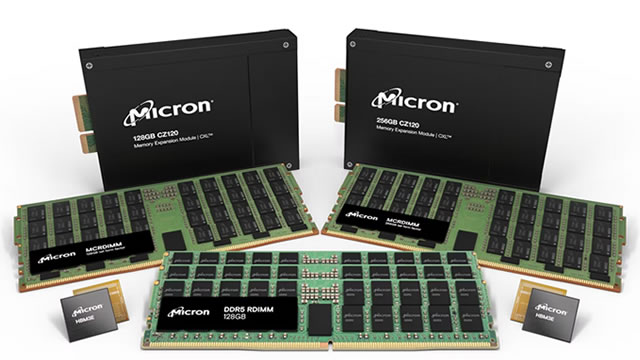
Micron: A Top AI Chip Stock With Potential To Double On HBM Demand
Micron Technology, Inc. delivered record Q4 results, surpassing revenue and EPS expectations on surging demand for high-bandwidth memory in AI data centers. MU's growth is fueled by structural supply shortages and rising average selling prices for HBM and DRAM, driving gross margin expansion. I maintain a Strong Buy rating, citing explosive revenue and gross profit growth, favorable AI CapEx trends, and a risk profile skewed to the upside.
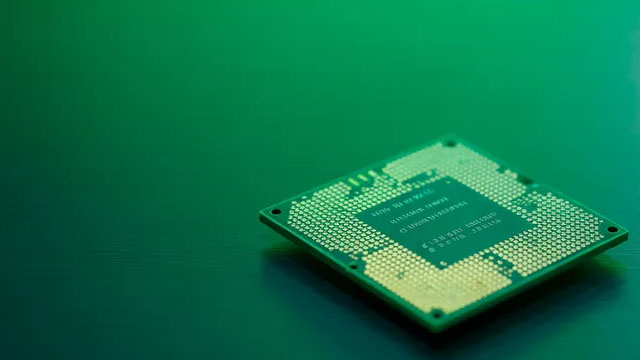
SK hynix: The Case For Owning The HBM Leader Into 2027
SK hynix is positioned for continued strength, with bullish prospects extending into 2027. Q2 results were robust, and Q3 is expected to be even stronger, reflecting favorable market dynamics. Industry trends from TrendForce support sustained demand and pricing power for SKHY's memory products.

Why HudBay Minerals (HBM) Dipped More Than Broader Market Today
HudBay Minerals (HBM) concluded the recent trading session at $26.68, signifying a -1.22% move from its prior day's close.
Simply Outstanding: Micron's Absolutely Enormous Day
Micron Technology, Inc. delivered a historic fiscal Q4, crushing expectations with record revenue and margin expansion driven by AI-fueled HBM and data center demand. MU's forward guidance leapfrogs consensus, with management securing HBM contracts through 2027 and projecting continued explosive growth into 2028. Despite its outstanding operational performance, MU trades cheaply at just 6.6x forward fiscal 2027 earnings, remaining fundamentally mispriced given its growth trajectory and robust cash generation.

Samsung Electronics says HBM to account for nearly 30% of industry DRAM capacity next year
A Samsung Electronics executive said on Tuesday that high-bandwidth memory (HBM) is expected to account for nearly 30% of Dynamic Random-Access Memory (DRAM) chipmakers' total wafer capacity next year, up from about 20% currently.
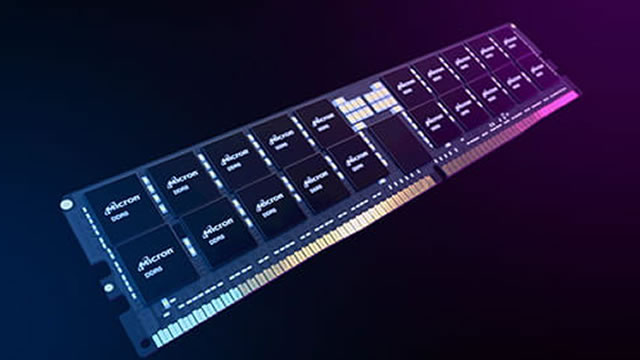
Micron Is Winning By Losing The HBM Race
Micron Technology, Inc. is undervalued by the market, which overweights the HBM market share and underappreciates MU's superior DRAM mix and margins. MU's limited HBM exposure in 2026 proved advantageous, as HBM contracts locked in low prices, while DRAM prices soared, boosting MU's profitability. Agentic AI shifts memory demand toward CPU-attached DRAM and storage, where MU is the incumbent and fastest grower, especially in high-capacity server memory.

HudBay Minerals (HBM) Rises Higher Than Market: Key Facts
In the closing of the recent trading day, HudBay Minerals (HBM) stood at $26.9, denoting a +1.74% move from the preceding trading day.




