



Hudbay Minerals Inc. (HBM)






Nvidia's Latest Signal Points to Serious Downside Risk for Micron Before 2029 Is Over
If Nvidia finds ways to use less expensive memory in future chips, Micron's premium HBM opportunity could shrink. Samsung and SK Hynix are gaining ground in HBM, so Micron needs strong demand and market share to justify its aggressive expansion.

Why Micron Needs To Be In An AI Portfolio
Micron Technology, Inc. is a core beneficiary of the ongoing AI-driven memory supercycle, with DRAM and NAND supply-demand imbalances fueling record profits. Despite parabolic share gains, MU stock's forward P/E remains in line with historical upcycles, suggesting further upside as memory shortages persist through at least 2028. HBM remains a premium, supply-constrained product, but MU's current profit surge is driven by high-volume DDR5 and LPDDR5/X, with non-HBM margins currently higher.

Micron's Crash May Set Up Another Leg Higher
Micron Technology, Inc. expects 2027 supply conditions to tighten further as AI demand accelerates and DRAM remains a critical infrastructure constraint. HBM3E consumes roughly three times DDR wafer capacity, while HBM4E pushes that trade ratio toward four times. Sixteen strategic customer agreements carried $22 billion in commitments, potentially creating substantially greater earnings visibility through 2030.
SK hynix Vs. Micron: 'This Time Is Different'
SK hynix Inc. is rated Strong Buy over Micron Technology, Inc., rated Buy, on superior HBM leadership and its position in the emerging HBF standard. SKHY holds 50% of the HBM market, double its DRAM share, and began mass-production shipments of HBM4 in the second quarter. Every memory supplier says the supply cannot respond before 2028, with SK hynix's CEO seeing a shortage through 2030, underpinning pricing and earnings.

Micron: AI Fatigue Into A Big Day
Micron Technology, Inc. stands at the center of the AI memory boom, with HBM3E supply sold out through 2027 and HBM4E ramping in 2027. Expectations for fiscal Q4 are ridiculously high. We think you need to see revenue above $54 billion, gross margins exceeding 86%, and EPS of at least $33 to avoid selling. The Data Center segment, driven by HBM demand, anchors MU's growth, while the Mobile and Client/PC segments benefit from rising memory content per device.
SK hynix: The HBF And HBS Bet You Don't Want To Miss
SK hynix leads the high-bandwidth memory (HBM) market, holding a 50% share, but Samsung is rapidly gaining ground. I see SK hynix and Samsung dominating future memory markets due to their leadership in HBM, HBF, and emerging HBS technologies. Micron risks marginalization by not investing in HBF, as I believe HBM + HBF will replace current AI memory architectures.
Micron: The AI Memory Shortage Has Spread Beyond HBM
Micron Technology (MU) is rated Buy, driven by persistent AI-induced memory shortages extending beyond HBM into DRAM and NAND. AI server demand from Dell and HPE, coupled with supply constraints, positions MU for sustained elevated earnings through at least FY2028. DRAM is the core earnings driver, with HBM growth tightening conventional DRAM supply and NAND providing a near-term tailwind.
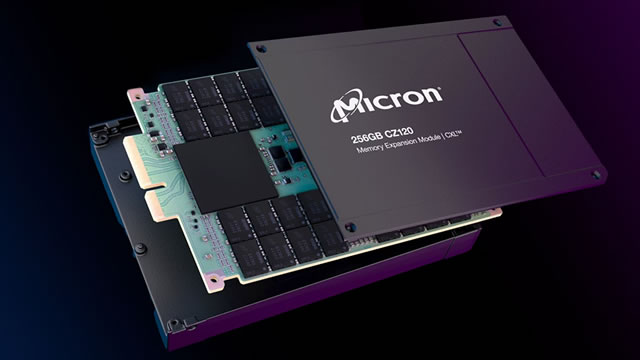
Micron's Q4 2026 Period Will Be Another Record Quarter
Micron is positioned to show record results for fiscal 4Q26, driven by robust DRAM demand and AI-related tailwinds. HBM and LPDDR innovations are fueling data center growth, with HBM supply constraints supporting elevated memory pricing and long-term contracts booked through 2028. I view MU as a buy for long-term investors, despite cyclical risks and potential future supply/demand imbalances from new fab buildouts.

Micron's 2028 Risk Is Fading
Memory shortages remain severe as HBM consumes DRAM capacity, preserving supplier pricing power despite already extraordinary price increases. SK hynix expects memory shortages through 2030, while its new Indiana HBM4E capacity will not arrive until 2029. Micron Technology, Inc. expects FY2027 CapEx above the mid-$40 billion range, yet meaningful greenfield bit supply begins around calendar 2028.
Stacked for Success: Inside SK Hynix's HBM Dominance
SK Hynix has positioned itself at the center of the AI supply ecosystem.

SK Hynix stock rebounds, but a new HBM4 risk is getting harder to ignore
SK Hynix stock rebounded on Tuesday as South Korean chip stocks recovered from early losses, but a shift in the next generation of high-bandwidth memory is creating a new question for investors. The stock rose about 1.9% to 1.706 million won by 10:30 a.m.
The Memory Shortage Isn't Close to Ending — Samsung Just Locked Up 70% of HBM Capacity Through 2031
The AI boom is turning memory from a cyclical semiconductor component into critical infrastructure. Manufacturers can add factories, but advanced high-bandwidth memory (HBM) takes years to qualify, ramp, and produce at scale.




