



Intel Corporation (INTC)













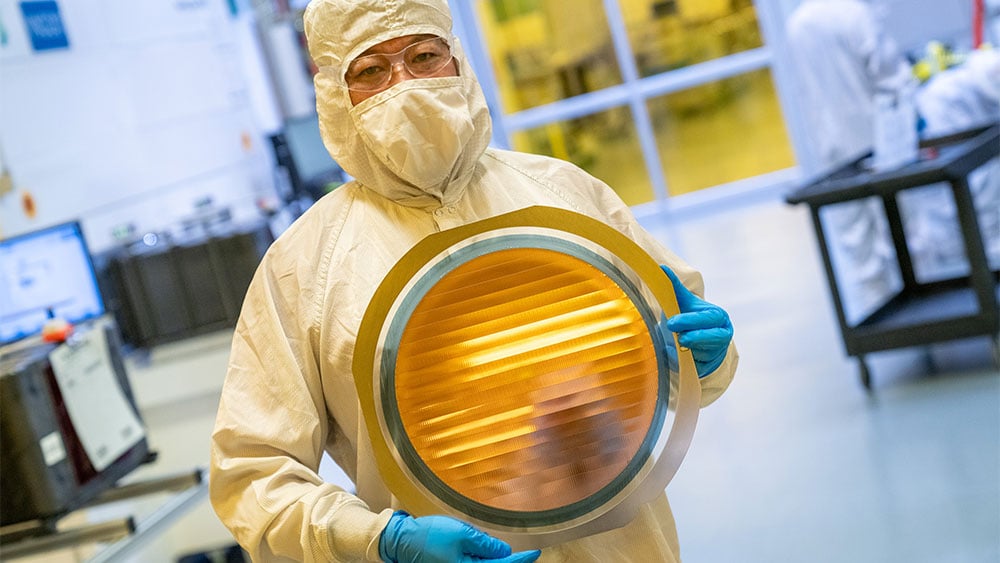
Intel Leads 5 Worst Dow Jones Stocks Through Q3; Can These Dogs Get Their Bite Back?
Intel leads the worst Dow stocks so far in 2024. Investors look to the Dogs of the Dow for tasty dividends.
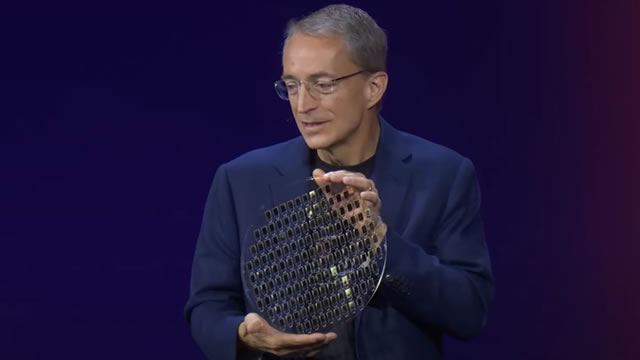
Qualcomm's Interest in Intel Could Spell Trouble for TSMC
Qualcomm is reportedly interested in buying Intel. Such an acquisition would turn Qualcomm into a major chip foundry.
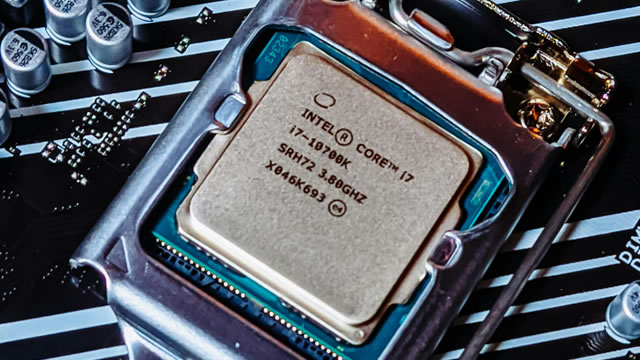
Intel Investors: Don't Count on Qualcomm to Save the Day
Qualcomm would face antitrust problems if it went after Intel. Intel's business model wouldn't complement Qualcomm's core growth engines.
The Intel Deal Rumors Keep Piling Up. This One Didn't Move the Stock Much Today
Yet another Intel (INTC) rumor is out there—this time, about a deal that appears not to be happening.
Why Intel Stock Wasn't Lighting a Fire Under Investors on Friday
The struggling chip giant is apparently unwilling to unload one of its two main business units. The would-be buyer was a peer across the Atlantic Ocean.
If You Bought 1 Share of Intel Stock at Its IPO, Here's How Many Shares You Would Own Now
Intel delivered eye-popping returns for its IPO investors. Almost all of its gains occurred in the previous century.

Arm Rebuffed by Intel On Buying Unit
Arm approached Intel about potentially buying the chipmaker's product division, only to be told that the business isn't for sale, according to a source, who points out that Arm didn't express interest in Intel's manufacturing operations. Bloomberg Intelligence senior analyst Mandeep Singh joins Caroline Hyde and Ed Ludlow on "Bloomberg Technology.

Could Intel Stock's Massive Comeback Strategy Be a Buying Opportunity?
Intel stock is down during one of the best times for the semiconductor market.
Intel Just Caught Up to AMD in This Critical Market
Intel launched its new Granite Rapids server CPUs this week. Granite Rapids moves to the Intel 3 process and sports as many as 128 cores.
Arm Holdings rejected in takeover bid for Intel's PC business, reports Bloomberg
British microchip designer Arm Holdings PLC (NASDAQ:ARM) has made a failed bid for ailing Intel Corp (NASDAQ:INTC, ETR:INL)'s product division, according to a Bloomberg report citing “a person with direct knowledge of the matter”. Arm, which is majority owned by Japanese conglomerate SoftBank, was reportedly told that the business is not up for sale.
Intel and US to finalise $8.5 bln in chips funding by year-end, FT reports
Intel and the U.S. government are on track to finalise $8.5 billion in direct funding for the chipmaker before the end of the year, the Financial Times reported on Friday, citing people familiar with the discussions.
Intel rejects Arm's approach for product division, Bloomberg News reports
Arm Holdings approached Intel about potentially acquiring the company's product division but was told that the business is not for sale, Bloomberg News reported on Thursday.




