



Intel Corporation (INTC)













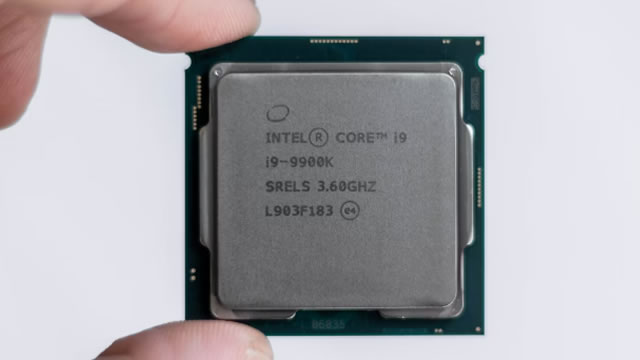
Don't Count on a Megadeal to Save Intel
Qualcomm or any other buyer would get a design business that has lost market share and a fab business bleeding money
Huge News for Intel Stock. Is it Time to Buy?
Intel and Amazon have formed a design and manufacturing partnership. Help will be needed for Intel to build factories; some might come from the U.S. government.
Why all eyes are on Intel now
Former chip design leader Intel struggles due to missed AI opportunities and manufacturing delays. Qualcomm reportedly approached Intel for a potential takeover, causing a stir in tech.
Why this strategist is steering clear of Intel for now
Intel (INTC) has become a big focus on Wall Street. First, it was The Wall Street Journal report that Qualcomm (QCOM) approached the company about a potential takeover bid.
Why Intel Stock Jumped Today
A new report suggests that Apollo Global Management could invest $5 billion in Intel. News of a potential investment from Apollo follows reports that Intel could be acquired by Qualcomm.

Why Some Analysts Say Qualcomm's Potential Takeover of Intel is 'Impractical'
Intel (INTC) shares have gained ground as investors reacted to a Wall Street Journal report late Friday that said Qualcomm (QCOM) had made a “takeover approach” to the beleaguered chipmaker.

Intel Gets Apollo Offer as Qualcomm Circles
Apollo has offered to make a multibillion-dollar investment in Intel, people familiar with the matter said, providing the chipmaker with a vote of confidence in its turnaround strategy and an alternative to a potential takeover by larger rival Qualcomm. Advisors Capital Management Partner & Portfolio Manager JoAnne Feeney joins Caroline Hyde and Ed Ludlow on "Bloomberg Technology.
3 Reasons Why Intel Stock Sealed a Strong Week: Time to Buy?
Intel Corporation INTC shareholders had to bear painful losses throughout this year as the company struggled to make a breakthrough in its stumbling foundry business. However, Intel's foundry spin-off move, a deal with Amazon.com, Inc. AMZN, and a probable QUALCOMM Incorporated QCOM takeover boosted its share prices last week.

Qualcomm buying Intel doesn't make sense, says Wall Street's top chip analyst
Qualcomm is reportedly interested in acquiring Intel, but analysts are skeptical. Intel's semiconductor factories are a major weak point in the potential deal.
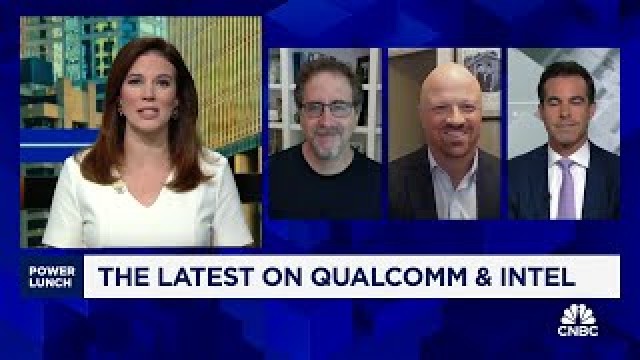
'Hard to see a deal working out' for Intel and Qualcomm, says Bernstein's Stacy Rasgon
Stacy Rasgon, Bernstein senior analyst; Daniel Newman, CEO of the Futurum Group; and Michael Kantrowitz, Piper Sandler chief investment strategist, join CNBC's 'Power Lunch' to discuss expectations for Intel.
Stock Of The Day: Why Qualcomm Stock Remains Stuck In A Range As Speculation Of Intel Takeover Grows
Qualcomm Inc‘s QCOM stock has been stuck in a trading range since early August, with analysts speculating about a potential bid for Intel Corp INTC. Despite this, shares have faced resistance at the top of the range, which has prompted our trading experts to make it the Stock of the Day.

Qualcomm acquiring Intel is a pipe dream: Mizuho Americas' Jordan Klein
Jordan Klein, tech sector specialist at Mizuho Americas, joins 'The Exchange' to discuss the rumors of a Qualcomm takeover of Intel, Intel's future, and more.




