



iShares Core S&P 500 ETF (IVV)







S&P 500 ETFs Near Record Highs: More Upside in Store?
SPY nears record highs as AI momentum, resilient earnings and trade optimism fuel a 20% S&P 500 rebound.

Trade Talks Send S&P 500 to Third Straight Gain
The broad index is now less than 2% below its all-time high.

Megacap stocks aren't all up in 2025. But this chart shows they've trounced the S&P 500's smallest equities.
Megacap stocks in the S&P 500 have seen mixed performance so far this year, but their shares are outperforming the index's smallest companies, according to Bespoke Investment Group.

The S&P 500 is nearly back to record highs, but investors shouldn't get too comfortable
Investors shouldn't be lulled into a sense of complacency, as the record high for the S&P 500 could be the next resistance level to watch.

S&P 500: Next Stop, ~6,700
AI-driven productivity and profitability are fueling a 1999-style melt-up, with S&P 500 top holdings set for 18% revenue growth in 2025. Despite tariff noise, the U.S. economic backdrop is stable, with strong personal income, resilient consumer spending, and falling recession risk. Q1 results confirm broad-based earnings strength: 78% of S&P 500 companies beat estimates, margins are expanding, and forward EPS estimates remain constructive.

‘Big Money' turns bullish on stocks. Will that lead the S&P 500 to a ‘melt up'?
Large, sophisticated investors appear to be embracing the rally in U.S. stocks, after being “risk-wary until very recently,” according to DataTrek Research.

Will Negative S&P 500 Sentiment Continue to Unwind?
“Bulls might find frustration in the lack of upside movement the past several sessions, especially after the bullish ‘outside day' on May 19 that has historically produced bullish price action two weeks after a signal

The S&P 500 is back at a big milestone. Here's what one strategist needs to see to be even more optimistic.
Investors are left with a market where they should keep looking for “babies that get thrown out with the bathwater,” when market pullbacks occur.

This driver explains why traders shouldn't fight the S&P 500 rally
Morgan Stanley identifies an improving rate of change in earnings-per-share revisions – the net proportion of analysts raising rather than lowering profit estimates across the S&P 500 – as the key catalyst for equities behind a better second half in 2025.

The S&P 500 isn't changing for now. Did this company get snubbed?
Robinhood Markets' stock was falling in after-hours trading Friday.
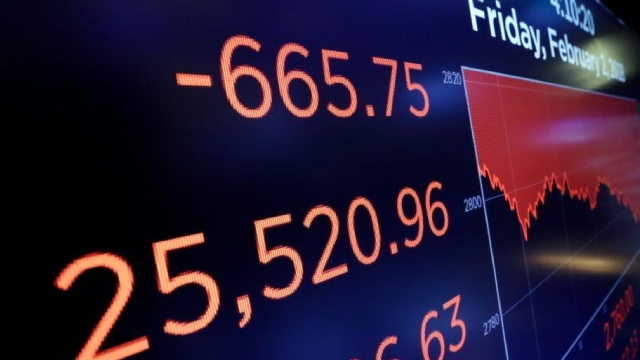
S&P 500 Snapshot: Back Above 6000
The S&P 500 closed above 6000 for the first time since mid-February. The index posted its second consecutive weekly gain, finishing up 1.5% from the previous Friday, and is now sitting 2.34% below its record close from February 19th, 2025.
Why an S&P 500 close above 6,000 would be an important psychological threshold for investors
It doesn't have the same ring to it as Dow 10,000 — but a close back above 6,000 for the S&P 500 would do a lot to affirm bulls.




