



Johnson & Johnson (JNJ)














Must-have stocks for passive income in 2025
In addition to profiting from ordinary trading activities, the stock market offers opportunities for investors seeking passive income through dividend payouts.

Drop Johnson & Johnson, Pick These Steady Eddie Stocks?
If you are a Johnson & Johnson investor and have been enjoying the stock's steady dividends, it may be time to look elsewhere. As of this moment, we find DaVita - a healthcare company focused on kidney dialysis services - and Duke Energy - an electric and natural gas utility company based in North Carolina - as more attractive buys than Johnson & Johnson.
Johnson & Johnson's Golden Cross: A Bullish Prescription For Investors?
Johnson & Johnson JNJ has just made a significant technical move, achieving a Golden Cross.

J&J's Stock Up 12.8% in 3 Months: Time to Buy, Sell or Hold?
We suggest a new investor should avoid buying J&J's stock now due to uncertainty surrounding its legal battles.

J&J's Rybrevant Receives EU Approval for Expanded Use in NSCLC
The European Commission approves JNJ's Rybrevant in combination with chemotherapy for treating EGFR-mutated NSCLC following failure of prior therapy.

Johnson & Johnson (JNJ) Stock Dips While Market Gains: Key Facts
Johnson & Johnson (JNJ) closed the most recent trading day at $162.95, moving -1.01% from the previous trading session.
JNJ Stock A Winner Right Now?
We believe that Johnson & Johnson stock (NYSE: JNJ) is currently a better pick than Procter & Gamble stock (NYSE: PG) as it appears to show more promise over the coming years. The decision to invest often comes down to finding the best stocks within the scope of certain characteristics that suit an investment style.

J&J (JNJ) Gets EU Approval for Bladder Cancer Drug Balversa
The approval of J&J's (JNJ) Balversa (erdafitinib) for treating unresectable or metastatic urothelial carcinoma is based on data from the phase III THOR study.

2 Unstoppable Stocks That Are Screaming Buys in August
Strong companies with profitable businesses and a path to future growth can drive investor returns over the long run. Johnson & Johnson is still working to resolve talc claims, but its business is doing extremely well, and its balance sheet can weather the storm.

Is Johnson & Johnson Stock a Buy?
Johnson & Johnson faces challenges related to a new law in the U.S. The company can find ways to navigate this problem. The stock remains a great pick for income seekers.

3 of the Best Long-Term Stocks to Buy Now and Hold Forever
Investors have long sought to maximize gains by timing the market – buying low and selling high.

J&J in talks with holdouts to $6.5 billion talc settlement
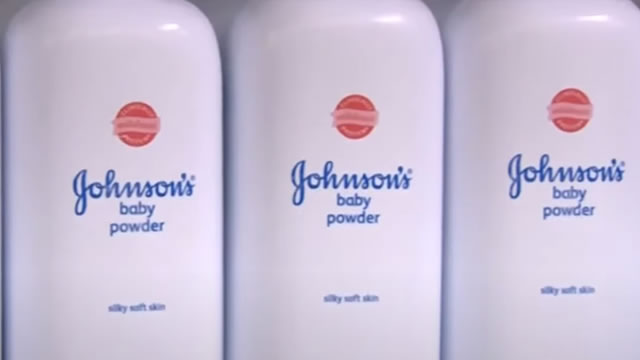
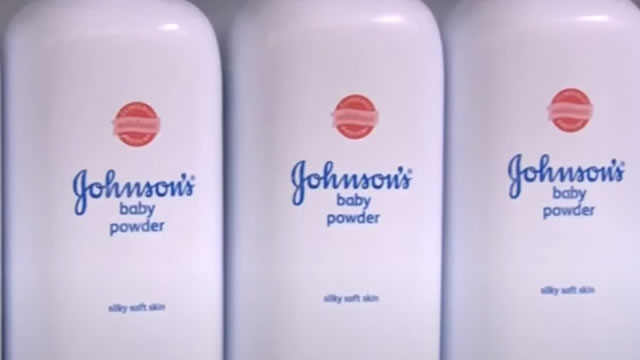
Johnson & Johnson said on Friday it is negotiating with plaintiffs' lawyers who have opposed the company's proposed settlement of lawsuits alleging its baby powder and other talc products caused cancer, seeking to eliminate holdouts to the deal.




