


Microsoft Corp. (MSFT)






What Could Drag Microsoft Stock Even Lower?
Microsoft (MSFT) is encountering challenges. Even the most prominent companies aren't immune.

Why Microsoft's stock just lost a big fan in the wake of Alphabet's earnings
While Google's cloud growth blew Wall Street away, a Stifel analyst worries it will be difficult for Microsoft Azure to accelerate growth in the near future.
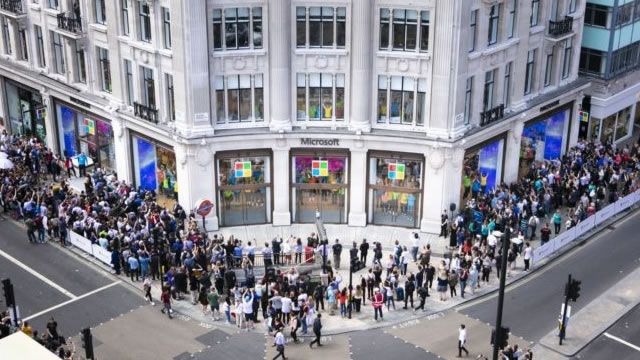
Microsoft Plunges 14% Post Q2 Earnings: Buy, Sell or Hold the Stock?
MSFT shares sank 14% after Q2 as AI capex, margin pressure and cloud capacity limits overshadowed beats and a record $51.5 billion Cloud quarter.

AI Spending Pays Off for Major Cloud Providers
Investors questioning whether hyperscaler spending on AI infrastructure will deliver returns may find comfort in new research. The major cloud providers — Alphabet Inc. (GOOGL), Amazon.com, Inc. (AMZN), Meta Platforms, Inc. (META), and Microsoft Corp. (MSFT) — have increased their investments while boosting profitability metrics.
Microsoft: Rampant Selloff A Case Of Market Disconnect And Irrational 'SaaSapocalypse' Fears
Microsoft delivered a strong Q2, beating top- and bottom-line estimates, yet the stock sold off on perceived Azure growth slowdown. MSFT's AI strategy is broader than Azure, with M365 Copilot, GitHub Copilot, and Maia 200 chip showing robust growth and overlooked potential. I upgrade MSFT to Strong Buy, based on my ensemble model's price target of $562, as current pessimism and indiscriminate selling present a long-term accumulation opportunity.
Microsoft: It Is Just A Dip, Not A Bargain
Microsoft has declined over 20% from its high but remains only fairly valued, not a bargain. Microsoft's valuation multiples have moderated—P/E at 26.9 and P/FCF at 41.5—but still require sustained high growth to justify. Strong quarterly results and Copilot momentum highlight growth, yet high CapEx on short-lived assets and OpenAI risks temper optimism.

Meta Beats Microsoft At AI Monetization - Here's Why
Meta offers a cleaner, more robust AI monetization story versus Microsoft, with superior unit economics and accelerating revenue growth. MSFT faces execution risks tied to backlog concentration with OpenAI and slower Azure growth, keeping its rerating on hold until revenue inflection is demonstrated. Both META and MSFT trade at similar forward P/E ratios (23–24), but META's clearer AI-driven upside and operating leverage make it the preferred near-term pick.

Microsoft hired a Google exec to replace security boss Charlie Bell, who is moving to a new IC role, internal memo shows
Microsoft's security boss, Charlie Bell, is moving to a new role as an individual contributor. The company hired Google executive Hayete Gallot to replace him.

Microsoft's new commercial CEO is making changes to his top ranks, internal memo shows
Microsoft promoted Judson Althoff to be its new commercial CEO in October. Althoff is now making changes to his top ranks, according to an internal memo.

Microsoft's Pivotal AI Product Is Running Into Big Problems
After leaning on its partnership with OpenAI, Microsoft is playing catch-up in the chatbot race. But data shows that it is losing ground with users.

Microsoft: Pullback Improves The Investment Case (Rating Upgrade)
Microsoft Corporation trades below near term historical EV/EBITDA as AI enthusiasm fades and fundamentals regain focus. Cloud and enterprise software remain durable, with strong RPO growth supporting multi-year MSFT revenue visibility. MSFT balance sheet strength stands out, with AAA credit and net debt to EBITDA near zero.
Options Traders Circle Chip Stock Before Earnings
Big Tech earnings are well underway, with Microsoft (MSFT) reporting just last week, and plenty more coming up this week.


