



Microsoft Corp. (MSFT)













Microsoft Lost $1.3T: Here Is How Much The Mispricing Is Worth (Upgrade)
Microsoft Corporation has experienced a $1.3T market cap drawdown, the largest in its history, despite a generally bullish market. MSFT stock now trades at a forward earnings multiple of 21.7, near its 2022 buy levels, presenting a potentially attractive valuation. Recent concerns center on elevated FY26 capex guidance of $190B and significant exposure to OpenAI, which accounts for 45% of commercial RPO.
Microsoft buy alert as Michael Burry goes long on MSFT stock
On June 26, the blue-chip technology giant Microsoft (NASDAQ: MSFT) received a sudden buy signal in the form of the legendary short trader, Michael Burry, making a long bet on the stock.

Wedbush brushes off tech sell-off as buying chance in multi-year AI bull run
A sharp sell-off in leading technology stocks reflects short-term impatience rather than any breakdown in the artificial intelligence trade, according to Wedbush. The broker said core names driving what it calls the fourth industrial revolution, including Microsoft Corp (NASDAQ:MSFT), Alphabet Inc (NASDAQ:GOOG), Palantir Technologies Inc (NYSE:PLTR), Oracle Corp (NYSE:ORCL, XETRA:ORC), Nvidia Corp (NASDAQ:NVDA, XETRA:NVD), Amazon.com Inc (NASDAQ:AMZN) and Meta Platforms Inc (NASDAQ:META, XETRA:FB2A, SIX:FB), have come under heavy selling pressure, with investors treating Microsoft and Meta as if they were bear-market stocks that cannot be owned.

Wall Street Analysts Think Microsoft (MSFT) Is a Good Investment: Is It?
The recommendations of Wall Street analysts are often relied on by investors when deciding whether to buy, sell, or hold a stock. Media reports about these brokerage-firm-employed (or sell-side) analysts changing their ratings often affect a stock's price.

Amazon: Mr. Market Is Giving Them The Microsoft Treatment And He's Wrong
Amazon is aggressively investing in AI infrastructure, causing near-term free cash flow pressure but positioning for long-term dominance. Despite a recent decline in free cash flow to $1.2 billion and projected negative FCF in 2026, underlying business metrics are accelerating, notably AWS and advertising growth. AMZN's pristine balance sheet, with $102 billion in cash and no debt maturing until 2028, supports self-funded expansion and reduces financing risk.
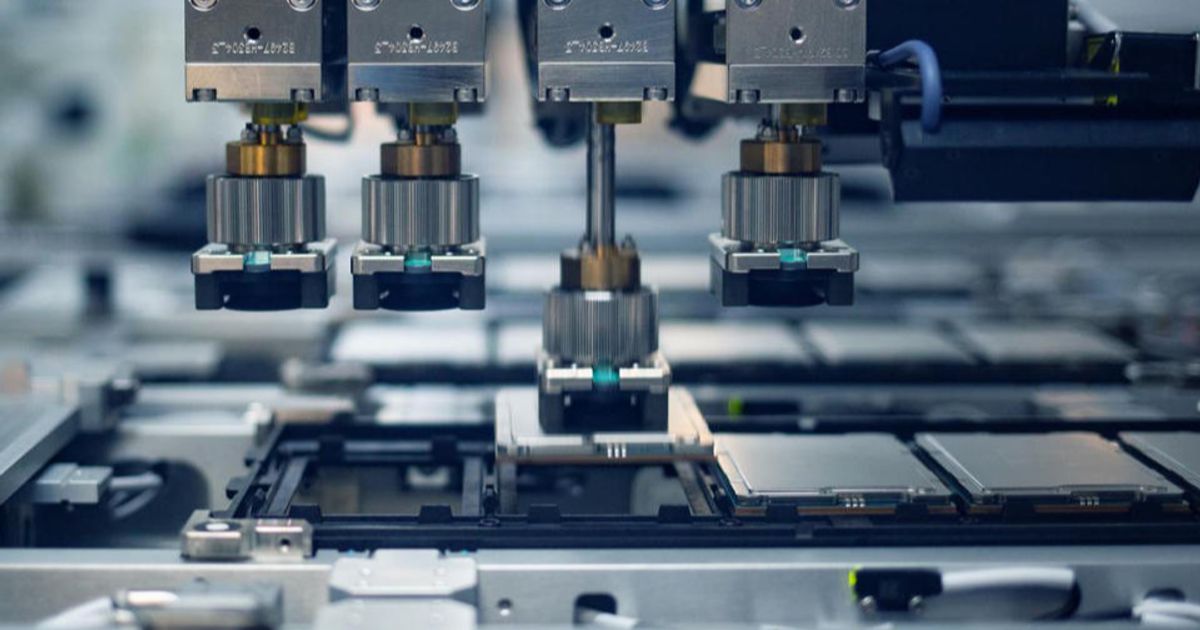
The next big AI titan could be the company that makes your TV and smartphone
We have spent two years watching the AI build-out through an American lens. Nvidia Corp (NASDAQ:NVDA, XETRA:NVD), Microsoft Corp (NASDAQ:MSFT), OpenAI...
Italy regulator probes Microsoft over 'Microsoft 365' price hike
Italy's antitrust authority said on Friday it had opened an investigation into Microsoft over alleged unfair commercial practices linked to the price hike of its "Microsoft 365" subscription.
Microsoft Is Paying Too Much In Capex To Drive Revenue Growth
Microsoft Corporation's data center capacity expansion to 10GW by FY26 is projected to accelerate Cloud revenue growth by 12.4% to 21.3%, aided by the Anthropic Azure AI Foundry deal. Average revenue per user for Office 365 can surprise to the upside as Copilot adoption drives a transition toward consumption-based and usage-based compute pricing models. Aggressive capital expenditure projected to reach $190B by the end of CY26 carries an estimated negative ROI of -9.3%, signaling that Microsoft is overpaying for revenue growth.

The New York Times Amends Lawsuit Against OpenAI and Microsoft
In a new court filing, The Times accused Microsoft of encouraging OpenAI to train its A.I. systems using copyrighted articles.
Microsoft's stock is suffering a historic June rout as investors balk at heavy spending
Those who owned Microsoft's stock for the free-cash-flow profile now “are being asked to underwrite a capital-intensity cycle,” says an analyst.

Qualcomm stock jumps on AI data center push, Meta and Microsoft deals
Qualcomm shares climbed on Thursday after the chipmaker outlined an expanded push into artificial intelligence data centers, raised its long-term revenue targets, and unveiled new partnerships with Meta Platforms and Microsoft. Shares rose 8% in the trading session.

400 Newspapers Sue Microsoft and OpenAI, Alleging Content Theft for AI
A coalition of publishers of nearly 400 local and regional newspapers has filed a lawsuit against OpenAI and Microsoft, alleging copyright infringement.




