



Micron Technology, Inc. (MU)














Trump Calls Micron One of the World's “Hottest” Companies a Day After Nvidia Disclosed $279 Billion in Supplier Commitments
On Wednesday afternoon at 2:31 PM, President Trump wrote on Truth Social that Micron Technology (NASDAQ:MU | MU Price Prediction) was “one of the ‘HOTTEST' Companies in the World” and congratulated CEO Sanjay Mehrotra.

Will Strong Demand and Pricing Help MU Reach 86% Gross Margin in Q4?
MU's record Q3 gross margin, sharp DRAM and NAND pricing gains, and tight AI-related demand set the stage for its 86% Q4 gross margin target.
Micron's Chinese rival just reported its first earnings as a public company — and sales are booming
CXMT, the Chinese memory-chip producer, on Friday reported its first financials as a public company that showed that how much it is benefiting from the surge in artificial-intelligence services lifting prices.
Why Micron Stock Didn't Get a Leg Up From SK Hynix's Memory Optimism
Micron stock has stuttered but SK Hynix and CXMT have good news for the memory-chip trade.

Micron stock has surged 220%: here's the risk bulls may be underestimating
Micron stock (NASDAQ: MU) is a standout winner from the AI infrastructure boom, with its shares still up about 220% in 2026 despite summer volatility. The stock closed Thursday at $935.39, down 0.32% and roughly 27% below its June record.
Micron Technology Doubles Capex as AI Memory Shortage Deepens
Micron Technology NASDAQ: MU is expanding capital spending and deepening long-term customer collaborations as artificial-intelligence workloads increase demand for higher-capacity, higher-bandwidth memory, according to Sumit Sadana, the company's executive vice president and chief business officer.
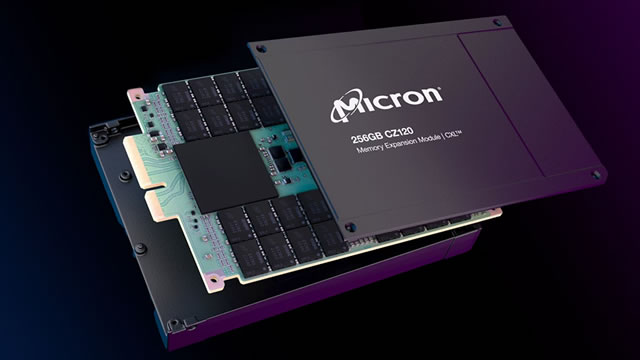
Earnings Growth & Price Strength Make Micron (MU) a Stock to Watch
The Zacks Focus List offers investors a way to easily find top-rated stocks and build a winning investment portfolio. Here's why you should take advantage.

Micron stock: top reasons why MU may soar after the Nvidia earnings
Micron stock has held steady in the past few days as investors scaled back their positioning in the memory names. MU was trading at $936 on Wednesday, down sharply from the year-to-date high of $1,253.
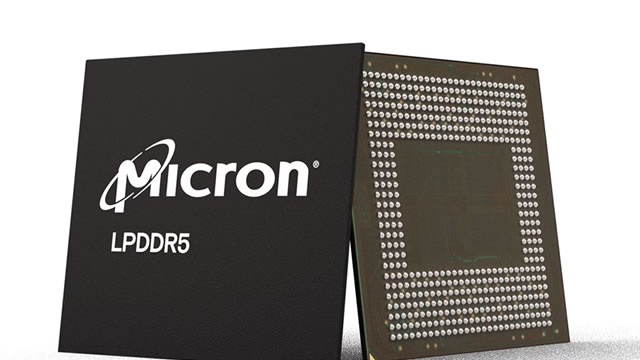
Prediction: Micron Could Be the Most Important AI Stock After Nvidia
Micron just posted numbers that made Wall Street scramble to rewrite its models, and a handful of deals locked in with its biggest customers suggest the memory cycle everyone expected to crack may not behave the way it always has
Micron stock: A bullish reversal pattern and the Nvidia earnings catalyst
Micron stock has slumped sharply in the past few months, falling from the year-to-date high of $1,257 in June to the current $932. This retreat has happened despite its strong performance as the AI boom gains steam.
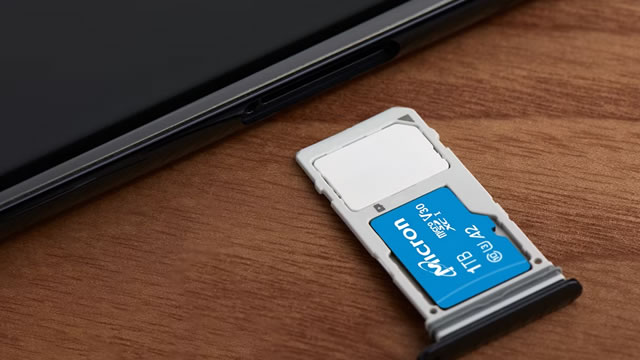
Memory Shortage Deepens to Worst Levels Since 2017 — Here's Why Micron Investors Will Cash In
The AI buildout has rewritten the rules of the semiconductor cycle.
Is Micron's AI Growth Engine Running Out Of Room To Run?
This article was written by Doug Nathman, with research by his team at Trefis.




