



Micron Technology, Inc. (MU)














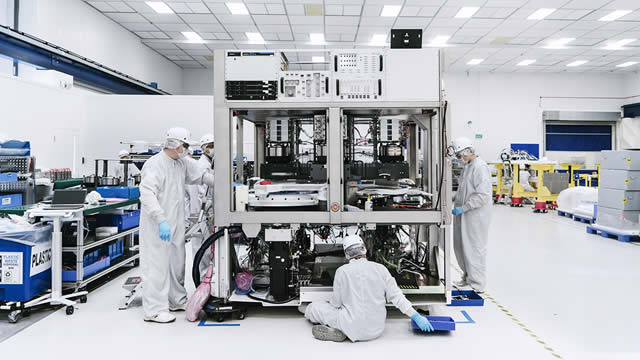
Cheaper Than Micron, Closer to Nvidia: The Massive New AI Stock Debut
SK Hynix hopes a U.S. listing will close a valuation gap with peer Micron Technology. It has a compelling case.

Micron, SanDisk recover after Samsung-led selloff; fresh catalysts add to sentiment
Memory chip and storage stocks staged a strong recovery on Thursday, with investors rushing back into the sector after a sharp selloff triggered by Samsung Electronics' quarterly earnings earlier this week. Micron Technology climbed more than 7%, while SanDisk SNDK gained about 7.5%.

Micron shares rise on $3B US semiconductor supply chain investment
Micron Technology Inc (NASDAQ:MU) shares rose 7% on Thursday after the company announced plans to invest up to $3 billion to strengthen the U.S. semiconductor supply chain and support future manufacturing capacity.

Micron shares rise 7% after announcing billions more in U.S. chipmaking investments
Micron shares climbed after the memory chipmaker announced a new round of investments aimed at boosting the U.S. semiconductor supply chain. The new strategic investments include $500 million for Taiwanese-headquartered GlobalWafers to expand its wafer development and manufacturing in Texas.

Why Micron Stock Might Outsmart The Memory Cycle
This article was written by Doug Nathman, with research by his team at Trefis.
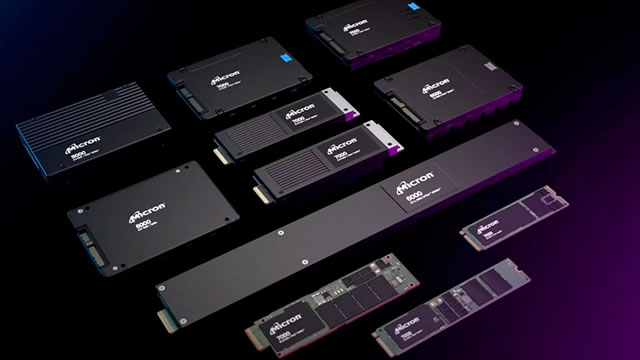
Micron Has Crashed After Every Previous Rally - This Time Might Be Different
Micron Technology, Inc. delivered a record-breaking quarter, with revenue up 346% YoY and operating income surging 2,456%, driven by AI-fueled memory demand. MU's growth is powered by Strategic Customer Agreements: 16 take-or-pay contracts locking in floor margins above historical peaks and $100B+ in minimum revenue. Guidance calls for Q4 revenue of $50B and 86% gross margin, with tight memory supply expected through 2027 and a commitment to return 100% of excess cash to shareholders.

From $124 to $938 in a Year, Is Another Rally Coming For Micron?
Micron Technology (NASDAQ:MU | MU Price Prediction) has been the wildest ride in the AI memory trade.
Western Digital and Seagate Surge 7%, Micron and SanDisk Climb 6% as Memory Selloff Reverses
Memory and storage stocks are rebounding sharply Thursday morning, reversing a bruising start to the week.
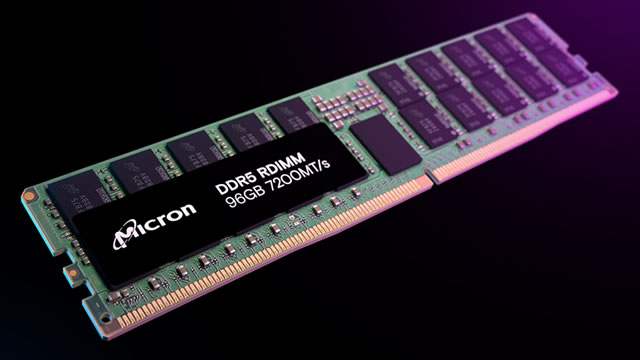
Micron to invest up to $3B in the US chip supply chain, stock jumps on AI optimism
Micron Technology shares surged 6% in premarket trading on Thursday after the memory-chip maker announced plans to invest up to $3 billion to strengthen the US semiconductor supply chain. The bullish analyst commentary and improving sentiment toward AI-related memory demand further supported the stock.
Has Micron Stock Finally Topped? Not According to the Pros
It's been the big question on the minds of tech investors in the past few weeks: have Micron (NASDAQ:MU | MU Price Prediction) and the broad basket of semiconductor stocks finally peaked out?

Micron: Strong Buy As The AI Memory Supercycle Accelerates
Micron Technology (MU) is rated a strong buy, driven by robust AI demand, supply constraints, and exceptional Q3 results with significant upside potential. Q3 revenues surged nearly 75% sequentially to $41.5 billion, with gross margins expanding to 85% and operating margins reaching 81%, reflecting broad-based pricing power. Guidance points to $49–$51 billion in Q4 revenues, supported by long-term Strategic Customer Agreements and persistent supply bottlenecks extending beyond 2027.

Micron Stock Drops 10%+ After Earnings - Is This a Buying Opportunity?
MU's post-earnings pullback comes despite record results and strong AI memory demand, with growth guidance and analyst targets remaining upbeat.




