



Micron Technology, Inc. (MU)















Is Trending Stock Micron Technology, Inc. (MU) a Buy Now?
Recently, Zacks.com users have been paying close attention to Micron (MU). This makes it worthwhile to examine what the stock has in store.
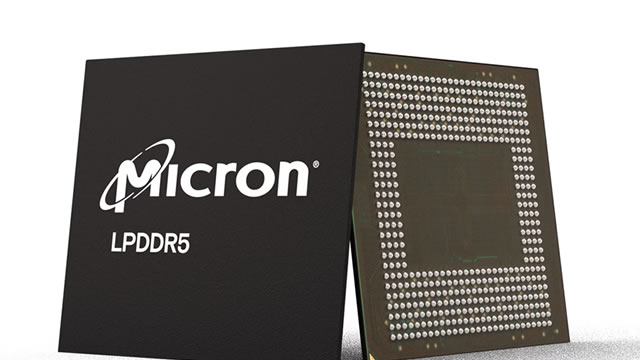
Short squeeze alert for Micron stock amid spike in short volume
On Friday, October 2, Micron (NASDAQ: MU) stock short volume ratio not only climbed to a new two-week high, but also led to bearish bets overtaking bullish trades for the first time within the timeframe.

Micron Q4: My Thoughts On Results And DCF Adjustments
Micron Technology (MU) delivered a strong quarter, driven by AI chip demand and significant revenue and EPS beats. MU's guidance implies continued momentum, with FY27 revenue midpoint at $61.5B and gross margin floor at 86%. Multi-year contracts and HBM partnerships with Nvidia increase revenue predictability and support a richer product mix.

Micron: The Market May Be Pricing In Future Revenue Declines, But I'm Still Bullish Now
MU delivered 380% YoY revenue growth and an 87% gross margin in 4Q, and its 1Q FY2027 outlook suggests the current momentum will continue. Memory supply shortages are fueling explosive growth due to price squeeze, with management guiding tighter conditions into FY2027 and FY2028. Despite rising capex for manufacturing expansion, revenue growth outpaces capex, pushing the capex-to-revenue ratio down and significantly boosting FCF generation.
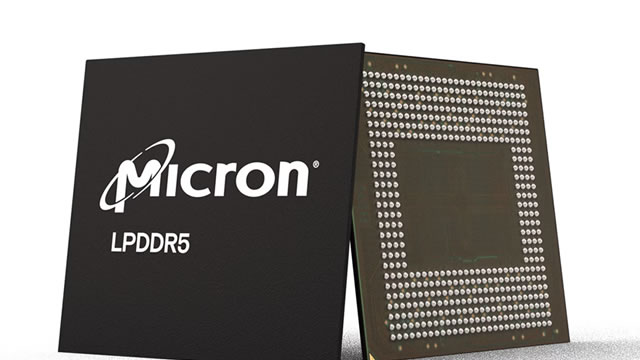
Micron's historic cash bonanza is set to rain down on investors
Micron is taking in more cash than Apple and Nvidia. It'll soon start doling that money out to shareholders in the form of stock buybacks.

MULL: Wait For The Pullback Before Leveraging Micron's Growth
GraniteShares 2x Long MU Daily ETF is rated Hold, reflecting near-term volatility despite Micron's robust long-term growth outlook. MU's growth is underpinned by expanding fabrication capacity, strong memory and storage demand, and management's guidance for sustained pricing power through FY27-28. Market uncertainty, higher interest rates, and technical factors may drive a near-term selling cycle, with MULL potentially declining to $12 before a new upcycle.

Micron: Memory Boom Still Has Legs
Micron Technology is positioned for multi-year growth, driven by strategic customer agreements and surging AI-related memory demand. MU's SCAs now cover 35% of revenues through 2030, with $150 billion in RPOs and potential revenues up to $433 billion, if pricing holds. Physical AI and autonomous vehicles are set to drive the next memory demand cycle, with humanoid robots requiring up to 20x the memory of premium smartphones.

Micron: The Trade Of The Decade Has Arrived
Micron is positioned for record revenue growth and tighter supply-demand conditions through 2028, with management guiding for sequential quarterly growth in FY27. MU's strategic customer agreements now cover 35%+ of revenue through 2030, reducing cyclicality and supporting higher minimum pricing and margins above prior cycle peaks. Custom HBM4E collaboration with Nvidia and significant capacity expansions underpin MU's AI supply chain relevance and future sales growth.

Micron's Hidden Financing Advantage
Micron generated $54.2 billion in Q4 revenue, an 87% gross margin, and $33.2 billion of free cash flow. Twenty-six strategic agreements now carry $32 billion of customer commitments, with $12.7 billion of deposits already received. Customer deposits effectively help finance Micron's expansion, while government incentives further reduce the capital shareholders must ultimately fund.

Micron: The Market Is In Disbelief. Ignore Them
Micron Technology (MU) should stay firmly invested, as the memory demand cycle continues, despite decelerating earnings beats versus prior quarters. MU's strategic customer agreements, covering 35% of revenue with price floors and ceilings, help mitigate cyclical risk and ASP volatility. Market concerns center on potential DRAM/HBM supply increases and de-spec trends, but current multiples (6x forward earnings) already significantly reflect these risks.
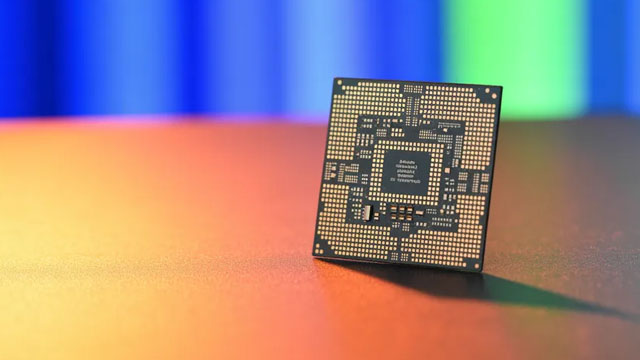
Micron Technology vs. Qualcomm: What Revenue Trends Tell Investors About These Tech Companies
When analyzing top-line performance over the last eight quarters, Micron Technology exhibits a stronger revenue trajectory than Qualcomm, establishing a clear pattern of quarterly expansion. Micron Technology generated accelerating quarter-over-quarter growth, while Qualcomm maintained a relatively stable quarter-over-quarter revenue pattern that eventually transitioned into a series of sequential declines.

MU Earnings Add AI Memory Muscle, Valuation Shows Investor Caution
Micron (MU) has rallied about 500% over the last 12 months — and the earnings growth justifies the stock price, according to George Tsilis. The problem?




