



Nasdaq, Inc. (NDAQ)








Got $5,000? These 3 Nasdaq Stocks Are Dirt Cheap Buys Right Now
As of Monday, the Nasdaq Composite index had tumbled more than 11% since the start of the year. The outlook for the economy is worrisome, as trade wars and promised tariffs could lead to disaster for many businesses.

1 Glorious Growth Stock Down 73% to Buy on the Dip During the Nasdaq Correction
The Nasdaq Composite index is home to almost every stock listed on the Nasdaq exchange, so it's typically a good proxy for the performance of the broader technology industry. As of this writing, it's down by 14% from its recent all-time high, which places it firmly in correction territory.

2 No-Brainer Nasdaq Stocks to Buy With $300 in April Before They Soar
It's been a challenging year for the U.S. stock market. The S&P 500 (^GSPC 0.67%) has declined 8% from its high, and the technology-focused Nasdaq Composite (^IXIC 0.87%) has fallen 14%.


Tradeweb, Nasdaq, Virtu, ICE, BGC Group, Cboe Set To Benefit From IPO Comeback: Analyst
Macro uncertainty has delayed the timeline for an IPO comeback, but there remains substantial pent-up supply for equity issuance.

S&P, Nasdaq rise as investors await US tariff clarity; Johnson & Johnson slips, PVV Corp jumps
The S&P 500 experienced volatility on Tuesday and was in the green. Investors were awaiting clarity from US President Donald Trump regarding tariff policy, and weaker-than-expected economic data also put pressure on Wall Street.
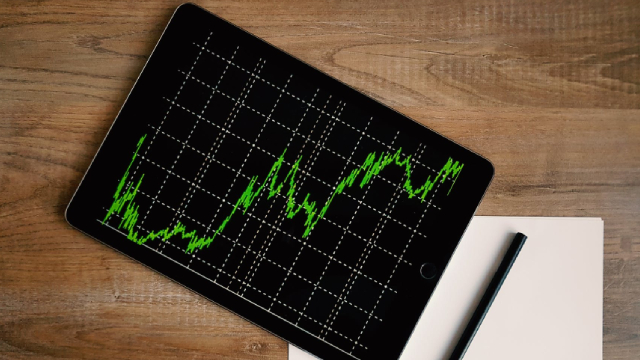
US Indices Forecast for Q2 2025 – S&P 500, Nasdaq and Dow Dips Are a Buy Opportunity
US Indices continued to see selling pressures in Q1 due to tariff threats, geopolitical concerns, and fear of a US recession. However, Q2 could very well see a rebound if history tells us anything.

1 High-Tech ETF Down 25% You Can Buy Right Now
Thanks to a combination of factors, such as weak economic data, tariff concerns, higher-than-expected inflation, and fears about AI capital expenditures, the stock market has been beaten down in recent months. And while the overall market has taken a hit, the tech-heavy Nasdaq has been the worst performer of the major indices, with the Nasdaq Composite nearly 15% below its recent high.
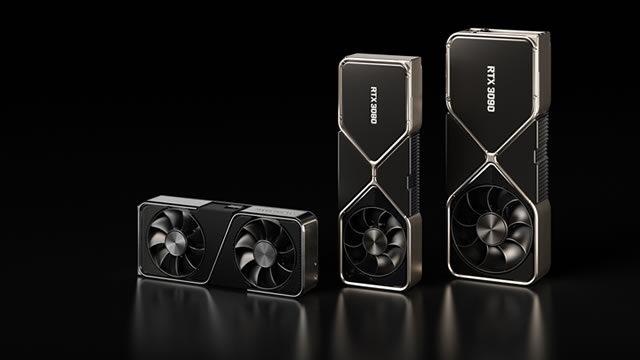
Nasdaq 100: Tech Selloff Intensifies on Nvidia Plunge While Defensive US Stocks Find Support
US indices retreat on tariff worries as VIX jumps to 22.44. Nvidia drops 3.9%, Microsoft falls 2.2%, while defensive sectors provide limited market support.

Live Nasdaq Composite: ORLY, AZO Gain in Face of Unrelenting Tariffs
The stock market continues to suffer on tariff-related uncertainty but the major indexes are off their worst levels of the morning.

Cathie Wood and Warren Buffett Both Own This "Magnificent Seven" Stock. Should You Buy It Hand Over Fist During the Nasdaq Sell-Off?
Ark Invest CEO Cathie Wood and Berkshire Hathaway CEO Warren Buffett couldn't be any more different in their investment approaches.
Nasdaq Sell-Off: After Losing Nearly $800 Billion in Market Cap, Is Nvidia Stock a Buy Anymore? History Offers a Clear Indicator of What Could Happen Next.
On Jan. 6, shares of semiconductor powerhouse Nvidia (NVDA -1.51%) closed at an all-time high of $149.43. At the time, the company's market capitalization hovered around $3.7 trillion.




