


NVIDIA Corporation (NVDA)







Nvidia Licenses AI-Inference Technology from Chip Startup Groq
The startup's CEO and some staff are to join Nvidia as part of new nonexclusive deal, a sign of growing demand for cutting-edge AI chips.

Nvidia Is Breaking Out, Don't Get Left Behind
Nvidia Corporation earns a Buy rating, supported by robust fundamentals, a reasonable valuation, and technical chart breakout potential. NVDA trades at a forward P/E of ~27x, well below dot-com bubble levels, with a forward PEG of 1.08x, reflecting sustained high growth. Management maintains visibility to $500 billion in Blackwell and Rubin revenue through 2026, with upside potential from new GPU agreements.
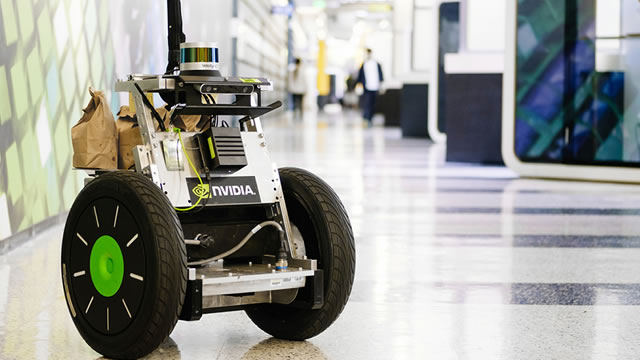
Groq execs to join Nvidia as part of AI-chip licensing deal
Nvidia Corp. has entered into a non-exclusive licensing agreement with AI chip maker Groq, and will acquire some of the startup's executive team.

Nvidia acquires AI chip challenger Groq for $20B, report says
Nvidia is buying the AI chip startup Groq for $20 billion, according to a report from CNBC. The purchase is expected to be Nvidia's largest ever, and with Groq on its side, Nvidia is poised to become even more dominant in chip manufacturing.

Nvidia to buy AI chip startup Groq for about $20 billion, CNBC reports
Nvidia has agreed to buy Groq, a designer of high-performance artificial intelligence accelerator chips, for $20 billion in cash, CNBC reported on Wednesday.

Exclusive: Nvidia buying AI chip startup Groq for about $20 billion in its largest acquisition on record
Nvidia is making its largest purchase ever, acquiring nine-year-old chip startup Groq for about $20 billion. The company was founded by creators of Google's tensor processing unit, or TPU, which competes with Nvidia for artificial intelligence workloads.

Nvidia (NVDA) Crossed Above the 50-Day Moving Average: What That Means for Investors
From a technical perspective, Nvidia (NVDA) is looking like an interesting pick, as it just reached a key level of support. NVDA recently overtook the 50-day moving average, and this suggests a short-term bullish trend.

Nvidia (NASDAQ: NVDA) Stock Price Prediction for 2026: Where Will It Be in 1 Year (Dec 24)
Shares of Nvidia Corp. (NASDAQ: NVDA) have popped 5.2% in the past week, after it announced it would begin shipping H200 chips to China in February and that it would invest $1.5 billion on a server farm in Israel.
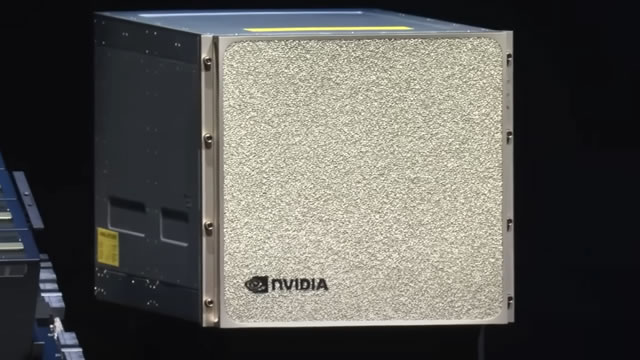
Here's what Nvidia investors can look forward to in 2026
OpenAI's upcoming GPT model and the data center buildout will be telling for the chip maker's competitive advantage, Wall Street says

Monster insider trading alert for Nvidia (NVDA) stock
Nvidia (NASDAQ: NVDA) has found itself under increased scrutiny following two large-scale insider trading moves last week.

Forget NVDA: 2 AI Stocks Crushing it in 2025 With More Upside Ahead
NVIDIA is up 36.6% this year as AI demand powers CUDA, Blackwell and H200 chips, but trade tensions and rivals push investors toward other AI winners.

Nvidia Is Not A Bubble, Here's Why
Nvidia Corporation is not in an "AI bubble"; forward P/E multiples are reasonable compared to historical tech bubbles and sector peers. The dot-com bubble is not comparable due to much lower growth and earnings potential, reflected in the difference in valuation multiples. Expansion in open-source AI, strategic acquisitions, and a strong product roadmap—including Rubin in 2026—reinforce NVDA's leadership.


