


NVIDIA Corporation (NVDA)







NVDA, INTC and AMD Forecast – Chips Looking for Momentum After Broadcom Concerns
Semiconductor stocks show mixed but constructive action into Friday, with Nvidia consolidating, Intel supported on pullbacks, and AMD stabilizing despite cautious AI guidance. Overall momentum favors buying dips across the group.
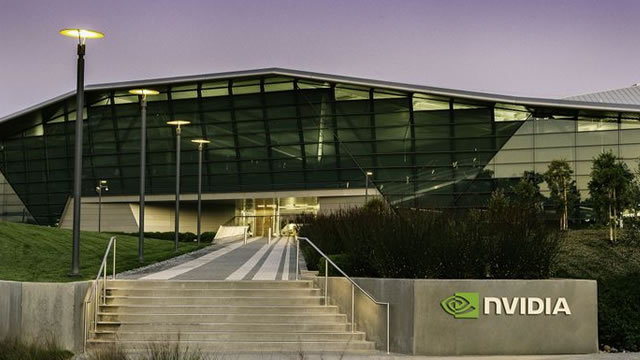
America needs to get tough on technology — not make Nvidia chip deals with China
Chip-import dependence is a national-security threat. A “chip-for-chip” tariff could be a $230 billion revenue windfall and spur U.S. semiconductor production.
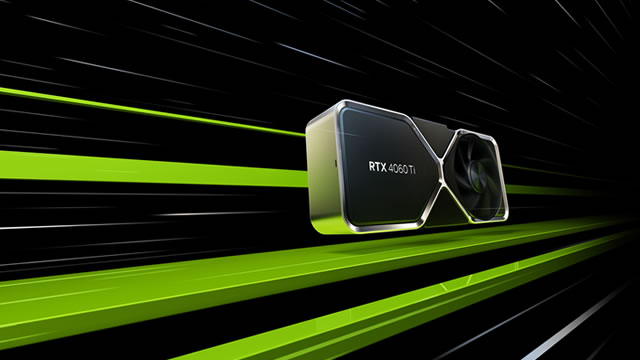
Nvidia (NASDAQ: NVDA) Bull, Base, & Bear Price Prediction and Forecast (Dec 12)
The trade war with China was tough on Nvidia Corp. (NASDAQ: NVDA) investors.

NVIDIA or BigBear.ai: Which AI Stock Has Bigger Upside in 2026?
NVIDIA rides soaring AI demand and surging revenues, while BigBear.ai leans on Ask Sage - raising the question of which stock holds more upside in 2026.

Trump 'sells out' U.S. national security with Nvidia chip sales to China, Sen. Warren says
Trump 'sells out' U.S. national security with Nvidia chip sales to China, Sen. Warren says

Nvidia: H200 Export To China Is Mostly Optics, But The Strong Buy Case Isn't
Nvidia Corporation retains a Strong Buy rating, with U.S. approval for H200 chip sales to China seen as largely symbolic, not a near-term catalyst. NVDA's guidance and consensus estimates do not include China sales; Chinese import restrictions remain in place, limiting upside from H200/H20 chips. EBITDA margins are robust at 64%-65%, with sales CAGR of 37.7% and free cash flow expected to grow 43.8% annually.

Missed NVIDIA? Braze Might Be the Next AI Stock Breakout
Concerns about slowing growth and free cash flow volatility led analysts to trim 2025 targets, sending Braze's NASDAQ: BRZE stock price to long-term lows, but that movement is over.

Nvidia's ‘Secret Portfolio' Is Tanking. This Is the Only Stock Still Winning
Nvidia ( NASDAQ:NVDA ) has quietly built a strategic investment portfolio not many investors are aware of targeting companies that enhance its AI ecosystem, from chip design to data infrastructure.

Nvidia Stock Falls. 2 Reasons Oracle's Earnings Were Bad for the Chip Maker.
Nvidia and other stocks exposed to the AI trend were being hit as Oracle slumped following earnings.

NVIDIA & 2 Profitable AI Stocks to Buy Now for Big 2026 Gains
NVIDIA, Micron, and Vertiv emerge as top AI picks for next year, backed by strong net income ratios and solid 12-month growth metrics.

2025's Winning Semiconductor Play: How One Chipmaker Outperformed the Entire Sector
The semiconductor sector delivered extraordinary performance in 2025, with AI-driven demand reshaping the competitive landscape.

Nvidia denies reports of Blackwell GPU smuggling to DeepSeek
Nvidia Corp (NASDAQ:NVDA, XETRA:NVD) has denied reports suggesting that Chinese AI startup DeepSeek is using the company's Blackwell GPUs, which are restricted for sale to China, to train advanced AI models. The reports, initially published by The Information, claimed that DeepSeek accessed several thousand Blackwell chips through a complex smuggling operation involving “phantom data centers” in Southeast Asia.


