



NVIDIA Corporation (NVDA)















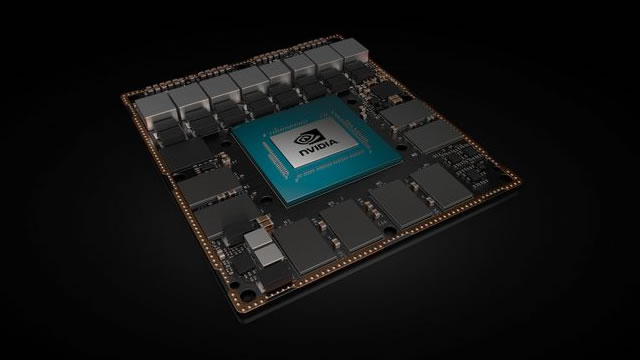
Nvidia to build AI supercomputers for US Enegry Department, signs $500B deal in bookings for chips
ore than $4 trillion, Nvidia is at the core of the global rollout of AI.
Nvidia launches massive AI push with major partnerships across multiple industries
Nvidia announced major AI partnerships with Palantir, T-Mobile, Uber and other companies to advance artificial intelligence infrastructure across industries.
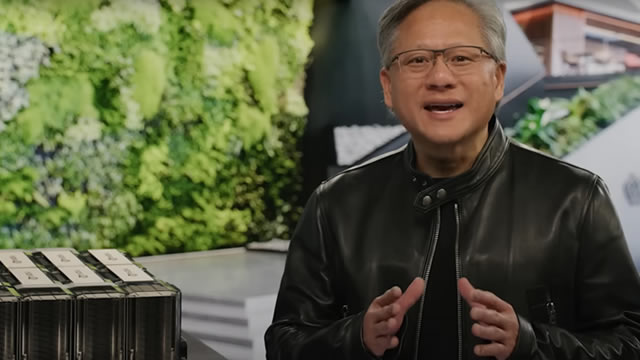
Jensen Huang says Nvidia's AI chips are now being manufactured in Arizona
Nvidia CEO Jensen Huang said at the company's GTC conference on Tuesday that its Blackwell graphics processing units — the company's fastest AI chips — are now in full production in Arizona. Much of what Nvidia announced on Tuesday at its conference was for an audience of policymakers to convince them of the essential role that Nvidia plays as an American technology company.

Solid Long-term Prospects in Semis: Buy NVIDIA and Hold STMicroelectronics
Semiconductor stocks power the AI era, tested by trade tensions and rich valuations. NVIDIA leads, while STMicroelectronics eyes recovery.
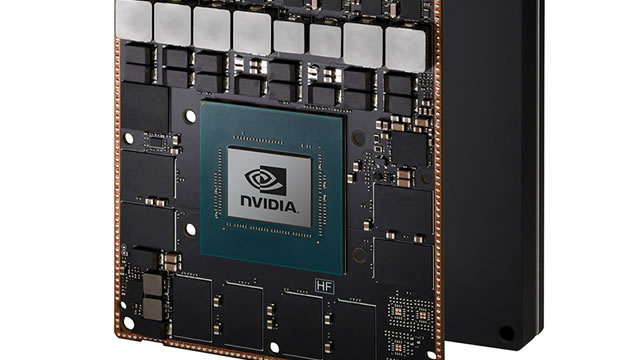
Watch: Jensen Huang delivers keynote speech for Nvidia GTC
Nvidia CEO Jensen Huang delivers keynote address in Washington, DC.
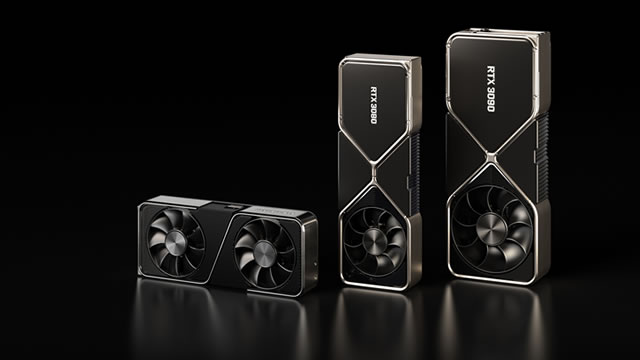
Investors Heavily Search NVIDIA Corporation (NVDA): Here is What You Need to Know
Recently, Zacks.com users have been paying close attention to Nvidia (NVDA). This makes it worthwhile to examine what the stock has in store.

NVIDIA (NASDAQ: NVDA) Price Prediction and Forecast 2025-2030 for October 28
Shares of NVIDIA Corp. (NASDAQ:NVDA) climbed 6.55% over the past five trading sessions after losing 2.08% the five prior.
Nvidia stock nears $200 ahead of Trump's meeting with Jensen Huang
President Donald Trump announced on Tuesday, October 28, that he would be meeting with Nvidia (NASDAQ: NVDA) CEO Jensen Huang on Wednesday.

Nvidia Inches Lower. What Qualcomm's AI Chip Entry Means for the Stock.
Nvidia stock was edging down as Wall Street assesses the competitive threat from Qualcomm.
Nvidia: A Prime Beneficiary Of The $4 Trillion AI Opportunity
Nvidia Corporation reported strong Q2 FY26 results, with 55% growth across its consolidated topline, driven by robust AI-related demand. NVDA's Blackwell GB300 platform adoption in the data centers end market and tailwinds from global AI infrastructure spending are expected to fuel growth in FY26 and beyond. Despite trading at a premium, NVDA's unrivaled AI leadership and strong double-digit growth expectations keep NVDA stock a solid Buy for the long term.

Nvidia Has 95% of Its Portfolio Invested in 2 Artificial Intelligence (AI) Stocks
Nvidia, a brand that has become synonymous with artificial intelligence (AI), has 95% of its $4.3 billion portfolio invested in CoreWeave and Arm. CoreWeave has been recognized as the best GPU cloud on the market due to its superior performance and close relationship with Nvidia.

Predition: This Supercharged Growth Stock Will Soar to $10 Trillion By 2030
Nvidia quickly became the gold standard for powering AI, which experts believe is still in the early innings. The chipmaker's graphics processing units (GPUs) provide the computational horsepower fueling the next generation of AI.




