



NVIDIA Corporation (NVDA)















Goldman Sachs sees upside for Nvidia as strategic investments spark questions over circular revenue
Goldman Sachs remains bullish on Nvidia Corp (NASDAQ:NVDA, ETR:NVD) as investors debate the nature of recent strategic investments in firms such as OpenAI and the extent to which these could be recycled by investees as GPU spending, which is recognized by Nvidia as “circular” revenue. This circular revenue arises because Nvidia both supplies GPUs to investees and takes an equity stake, meaning some revenue flows back into the company's ecosystem.
NVIDIA (NASDAQ: NVDA) Price Prediction and Forecast 2025-2030 for October 7
Shares of NVIDIA Corp. (NASDAQ:NVDA) gained 1.04% over the past five trading sessions after gaining 1.40% the five prior.
Nvidia Stock 2x To $350?
Will Nvidia stock (NASDAQ: NVDA) reach $350 in the upcoming years? This likelihood is more than mere speculation.
Nvidia's stock could soar another 45%. Here's why one analyst says any bears are wrong.
As AI infrastructure spending continues to rise, one bull sees a path for Nvidia's stock to reach $275

Wall Street banking giant just issued this chilling warning for Nvidia investors
A Wall Street analyst has cautioned Nvidia (NASDAQ: NVDA) investors that the chipmaker's explosive growth may not be entirely organic.
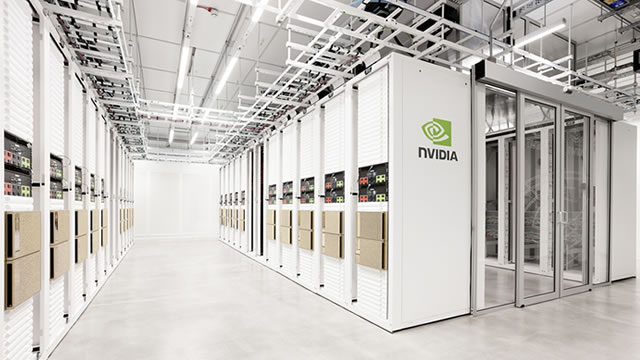
Nvidia Stock Rises. Sales From This Key Supplier Signals Strong AI Demand.
Taiwan's Foxconn, which makes servers for the chip designer, posted record revenue for the third quarter.

Nvidia: At The Front Of AI Breakthroughs
Nvidia remains the premier AI and semiconductor leader, with robust revenue and EPS growth justifying its $4.6 trillion valuation and potential for $5 trillion. NVDA trades at a premium, but its rapid top- and bottom-line expansion, dominant AI position, and strong margins make it a compelling long-term opportunity. Management's innovation, shareholder-friendly capital allocation, and new product cycles (like Blackwell Ultra) support continued outperformance and a $225 price target (20% upside).

This Promise Of 70% Dividends From These ETFs Is Totally Bogus
What if you could squeeze, say, a 70% dividend yield from a fast-growing AI stock like NVIDIA (NVDA) or Palantir (PLTR)?
Why Nvidia stock is set for a major breakout retest next week
Shares of Nvidia (NASDAQ: NVDA) appear poised for a key breakout retest next week after a strong rally pushed the stock toward new resistance levels.
NVIDIA Stock Hits 52-Week High: Still Worth Holding or Book Profit?
NVDA hits a 52-week high on AI-fueled growth, with soaring data center revenues and strong earnings powering momentum.
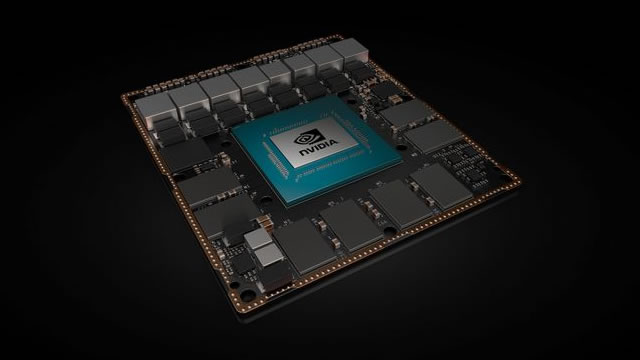
Nvidia: Market, Market Share, Margins And Multiples Part 2
Nvidia Corporation remains a dominant force in AI infrastructure, with market share rising to 94% and a $3-4T GPU TAM projected within a decade. NVDA's operating earnings and margins are robust, with R&D investments yielding high returns and normalized margins estimated at 75% or higher. Valuation scenarios need to be weighed against the probability of capturing long-term market opportunities.
Nvidia Stock Rises. It's Riding a Wave of AI Spending.
Nvidia stock was gaining as Japan's Fujitsu outlined an expanded collaboration with the chip maker but hardware purchases by the UAE could be delayed.




