



NVIDIA Corporation (NVDA)















Nvidia Is Set to Get a Big Boost From OpenAI. Here's How Much.
If Nvidia's numbers are correct, then OpenAI is planning hundreds of billions worth of spending.
Nvidia: Add On Weakness, Ride The AI Boom
Nvidia remains a Buy due to its dominant AI infrastructure position, strong growth, and impressive profitability, despite a demanding valuation. Recent earnings beat expectations, with $46.7B in revenue and 56% data center growth, confirming robust AI demand and execution. Risks include high valuation, rising inventory, geopolitical tensions, and intensifying competition, making buying on dips ($155–165) the best strategy.
Nvidia's $60 Billion Buyback Plan: Good or Bad News for Investors?
Investors have rushed to buy Nvidia (NVDA -3.38%) stock during the artificial intelligence (AI) boom, driving the stock up a mind-boggling 1,200% over the past five years. Why are investors so excited about this one particular company?
NVDA to $200 "With or Without" China, Watch A.I. Ecosystem Growth
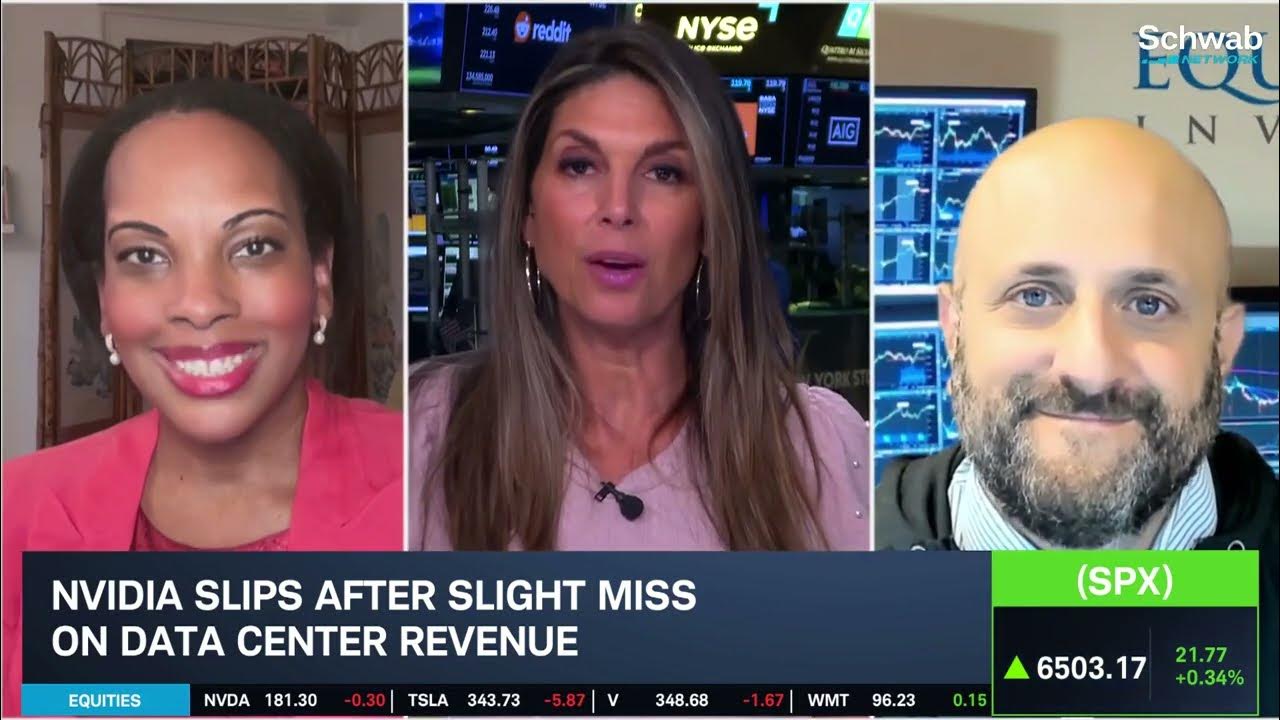
Sarah Kunst calls Nvidia's (NVDA) earnings "solid," noting strong growth despite multiple headwinds tackling the A.I. behemoth. Even as Nvidia seeks to grow into an A.I.
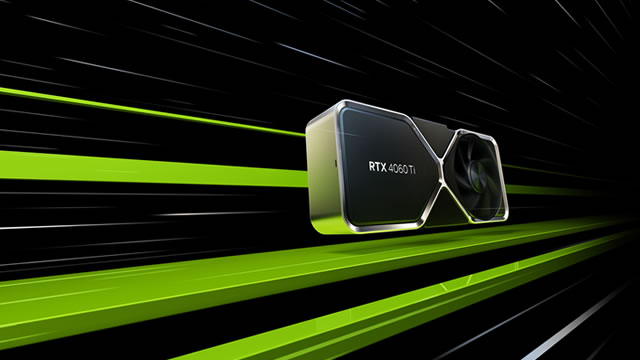
Nvidia: As Growth Continues to Soar, Should Investors Keep Piling into the Stock?
Nvidia (NVDA -3.38%) continued its breakneck growth in its second quarter (ended July 27), as demand for its graphics processing units (GPUs) remains voracious. The strong growth came despite the company not selling any chips to Chinese-based customers during the quarter.
Nvidia says two mystery customers accounted for 39% of Q2 revenue
Nearly 40% of Nvidia's second quarter revenue came from just two customers, according to a filing with the Securities and Exchange Commission.

NVIDIA Market Cap Tops Microsoft By $470 Billion
NVIDIA (NASDAQ: NVDA) has the largest market cap in the world, at $4.25 trillion.
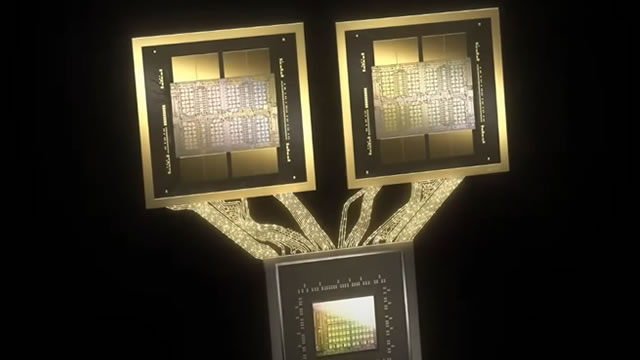
Why Nvidia's 4% Stock Stumble Is the Steal of the Century
Key Points in This Article: Market disappointment stems from lost China sales and slowing data center growth has led to a 4% drop in Nvidia‘s (NVDA) stock.
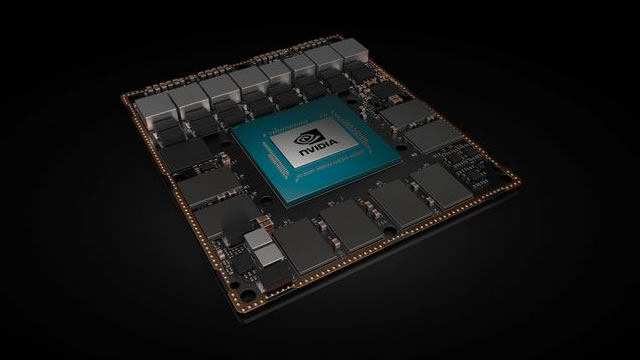
Nvidia has $57 billion in cash. Wall Street has ideas about what to do with it.
The chip maker announced a $60 billion stock buyback this week — and sparked a debate about whether the move makes sense.

Should You Buy Nvidia After Its Blowout Earnings Report? Here's What History Says.
Nvidia (NVDA -3.38%) has been one of the stock market's biggest winners over the past few years, thanks to its strength in one game-changing area: artificial intelligence (AI). The company is the world's No.
Nvidia: Not All That Glitters Is Growth
Nvidia Corporation delivered outstanding FQ2 2026 results, smashing revenue and EPS estimates despite already high expectations, highlighting its operational strength. Data Center revenue increased 56% year-over-year to $41.1 billion, driven by Blackwell's, but fell short of expectations. Despite stellar results, I see signs of moderating earnings growth, suggesting future stock performance may face some headwinds.
NVIDIA, Meta and Amazon: Top Momentum Plays in the Mag 7
NVIDIA, Meta and Amazon emerge as top picks under Driehaus' momentum strategy, spotlighting strong earnings trends and growth potential.




