



NVIDIA Corporation (NVDA)











AI Optimism Driving Semiconductor Sales: 3 Stocks With Growth Potential
Stocks like TSM, NVDA and RFIL are poised to benefit from the jump in semiconductor sales.
Why Nvidia Stock Is Sinking Again Today
Nvidia (NVDA -4.85%) stock is starting this week's trading off with another round of sell-offs. The company's share price was down 4.1% as of noon ET Monday amid a 2% decline for the S&P 500 (^GSPC -2.14%) and a 3.2% decline for the Nasdaq Composite (^IXIC -3.44%).

Nvidia down 30% from high as tech-led sell-off hits Magnificent Seven
Nvidia has lost nearly a third of its value just two months after notching a fresh high. The leading chipmaker slumped 5% on Monday, building on last week's losses as heavy selling continued across the tech sector.

1 Unstoppable AI Stock That Could Skyrocket When the Market Comes to Its Senses
The market is in a bit of a weak spot right now, with fears of a trade war erupting. The market is uncertain, which is why many stocks have taken a hit over the past few days.
Nvidia's stock is cheap by this account. Can next week's GTC get it going again?
Nvidia hosts its annual conference next week at a time when investors have soured on AI stocks.
Here's how much Nvidia investors will receive in upcoming dividend
While Nvidia (NASDAQ: NVDA) stock continues to experience heightened volatility, weighing on its valuation, the company remains consistent in rewarding investors through dividend payments.
Has Nvidia Stock Become Too Cheap to Ignore?
Nvidia (NVDA 1.92%) has become a stock market giant thanks to its dominance in one of today's highest-growth markets: artificial intelligence (AI), a $200 billion market that analysts say is heading for $1 trillion by the end of the decade. The tech company has practically built an empire of AI products and services including hardware, software, networking tools, and more -- to serve every AI customer along every step of their AI journey.
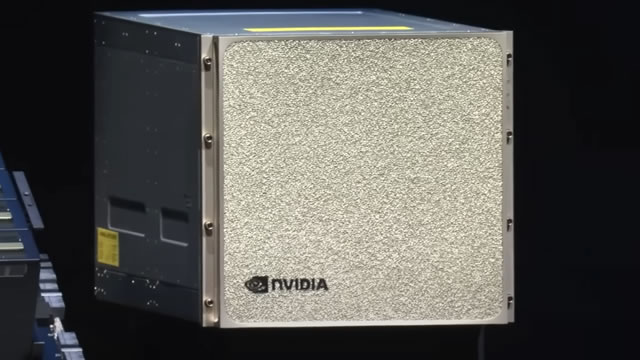
Nvidia: Enough Pain Already
Nvidia reported impressive quarterly results, with revenues reaching $39 billion and a forecast of $43 billion for FQ1'26, significantly beating analyst estimates. Major tech companies plan substantial AI data center spending, boosting Nvidia's growth prospects, yet the stock trades lower than tech peers like Apple and Broadcom. Nvidia's gross margins are expected to normalize to around 75% with the Blackwell chip ramp-up significantly impacting EPS and reinforcing the bullish investment thesis.

State of AI: How to upskill your career, TSMC's $100 billion US investment, Dan Ives talks Nvidia
0:00 Intro 0:36 AI and your career 04:45 TSMC's $100 billion investment in the United States 12:33 Ai skill and job demand 19:00 Dan Ives talks Nvidia, AI, Mag 7, trades #youtube #stockmarket #ai #tech Ahead of the February jobs report due out this Friday, Ramsey Solutions co-host and host of Front Row Seat Ken Coleman sits down with Madison Mills on Wealth to share his tips for navigating the current labor market as workers may worry about the impact of evolving artificial intelligence (AI) tech. "You've got to be really diligent to make sure that you've got your connections up to date," Coleman says, explaining that in "a tightening labor market," it's time to "polish up" your professional connections and resume.
Think Nvidia Stock Is Expensive? This Chart Might Change Your Mind.
Artificial intelligence (AI) is rapidly transforming the global economy. The technology's ability to automate complex workflows and deliver predictive insight has ushered in a new era of business efficiency while amplifying human creativity.

Artificial Intelligence (AI) Adoption Rates Appear Low, but This AI Leader Could See a Massive Surge in Demand in the Next 3 Years. Here's Why.
In a matter of years, the share price of Nvidia (NVDA 1.92%) has made it one of the largest companies in the world, with a market cap that currently exceeds $3 trillion. Nvidia isn't alone, either.

Nvidia's $10 Trillion+ Roadmap: Reinforcement Learning And Synthetic Data
AI scaling faces diminishing returns due to the growing scarcity of high-quality, high-entropy data from the internet, pushing the industry towards richer, synthetic data. Nvidia is strategically positioned with its Omniverse platform and Cosmos world-model, which has the potential to generate endless high-entropy synthetic data critical for reinforcement learning. RL-driven AI training, enabled by Nvidia's simulation environments, could dominate next-gen applications in robotics, autonomous vehicles, finance, healthcare, etc., potentially driving Nvidia toward a $10 trillion valuation.




